
Understanding Black Spots on Teeth: Causes, Removal & Prevention
Book Online

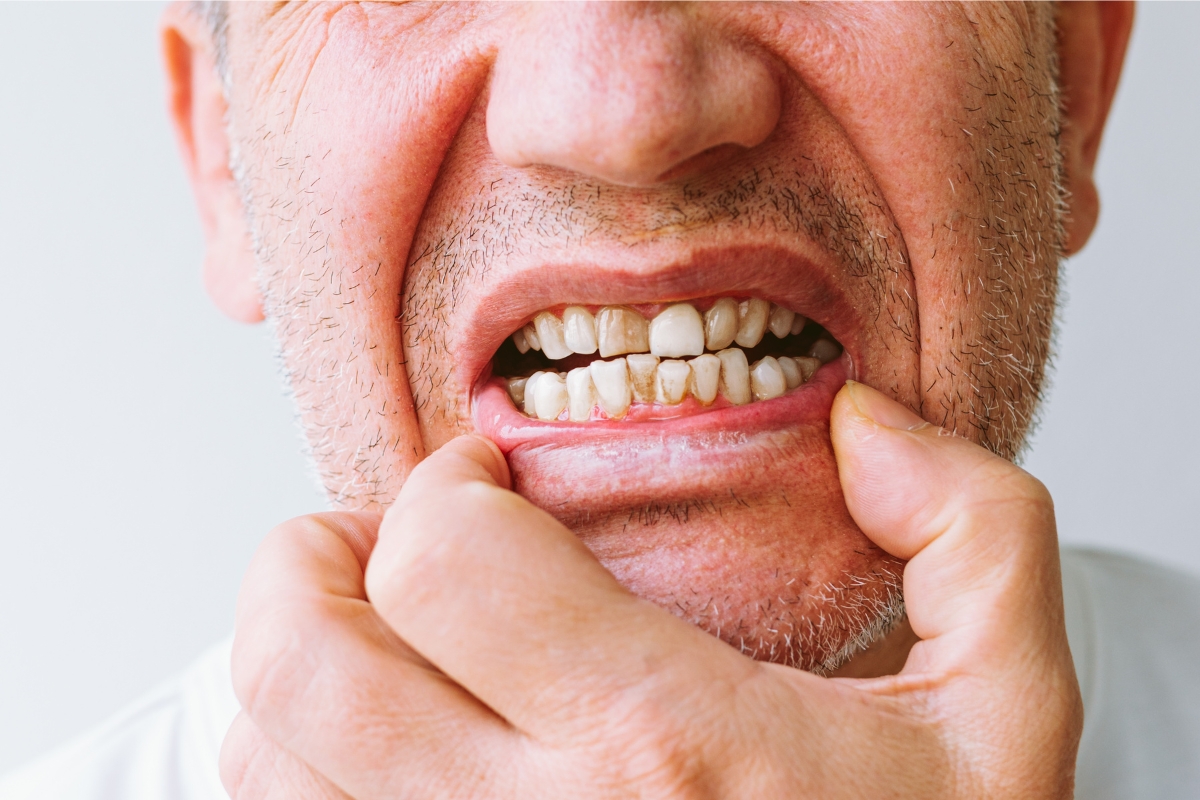
It can feel a little unsettling to notice dark marks on your teeth, especially if they seem to appear out of nowhere. The good news is that these spots are often quite common and, in many cases, not as serious as they may look. Most of the time, they develop on the outer surface of the teeth and are linked to everyday habits rather than disease.
These dark areas can show up as tiny specks, thin lines, or broader patches that look brown or even black. They don’t always cause pain or sensitivity, which is why many people first notice them when looking in the mirror or in photos. Even though they’re often harmless, they can still affect how confident you feel about your smile.
It’s important to understand that not all black spots mean the same thing. Some are simply stains sitting on the enamel, while others may point to early damage inside the tooth. When decay begins, the structure of the tooth starts to weaken, and the darker inner layer may become visible. If you’re unsure what’s causing the discoloration, visiting a cosmetic dentist Mesa patients often choose can help you get clarity and peace of mind.
You’ll usually find these spots in areas that are harder to keep clean—like the back teeth, near the gums, or in between teeth. These are places where plaque tends to linger, especially if brushing and flossing aren’t as thorough as they should be.
What Leads to Black Spots on Teeth?
There isn’t a single cause behind dark spots. Instead, they tend to develop from a mix of daily habits, diet, and oral care routines.
Plaque That Isn’t Fully Removed
When plaque stays on the teeth for too long, it can harden into tartar. This buildup often looks darker and can hold onto stains more easily.
Regular Intake of Dark Drinks
Beverages like coffee, tea, and cola contain color compounds that gradually stick to enamel and change the shade of your teeth.
Use of Tobacco
Smoking or chewing tobacco leaves behind residue that settles into the surface of teeth, creating stubborn dark discoloration over time.
Certain Health Products
Some medicated mouth rinses or supplements may leave behind staining as a side effect, especially with frequent use.
Highly Pigmented Foods
Foods rich in color—such as berries, sauces, and spices—can slowly contribute to staining when consumed often.
Damage to a Tooth
If a tooth has been chipped or injured, it may darken from within, making the spot look deeper than a typical stain.
Early or Advanced Decay
Sometimes, a dark mark is more than just a stain. Tooth decay can change the color and texture of the enamel, signaling a need for treatment.
Loss of Enamel Over Time
As enamel wears down, the underlying dentin becomes more visible, which can give teeth a darker appearance.
Ways to Treat Black Spots Safely
The right way to treat these spots depends on what’s causing them. That’s why it’s always better to avoid guessing and get a professional opinion first.
Routine Dental Cleaning
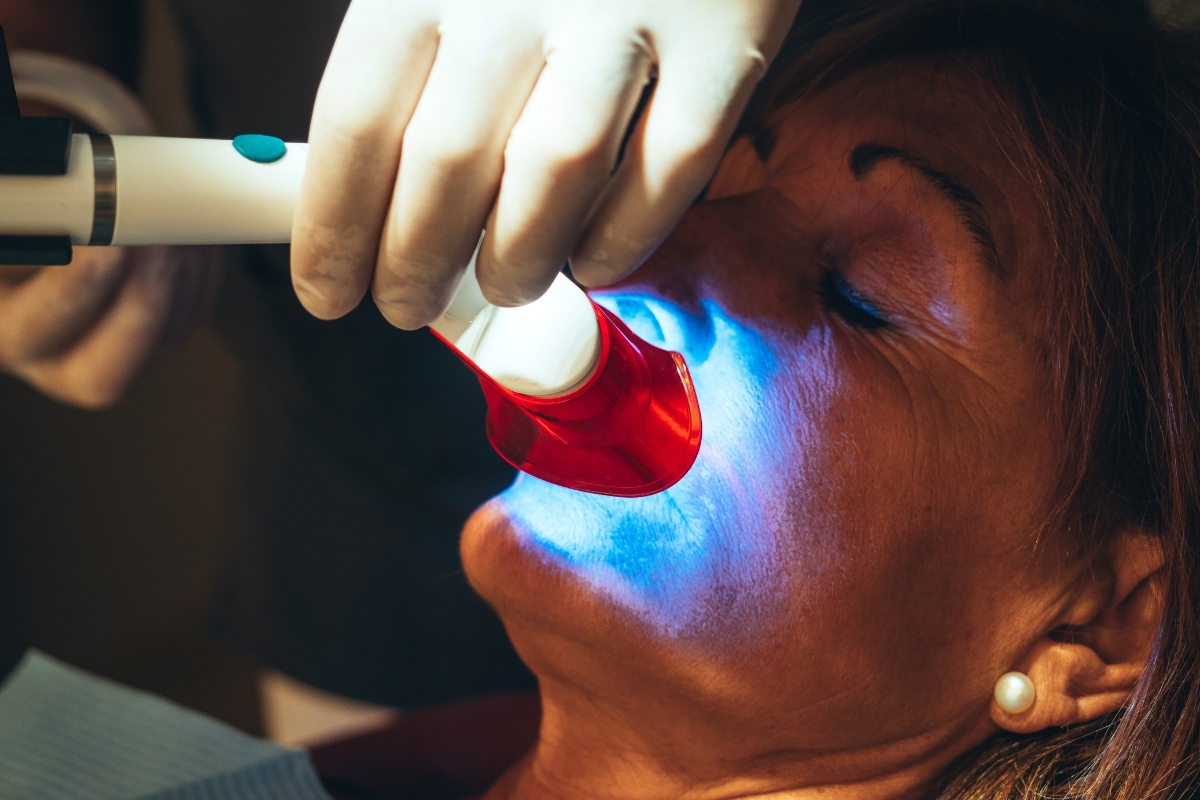
If the discoloration is due to buildup, a dental cleaning can remove it effectively. This process clears away hardened plaque and smooths the tooth surface.
Whitening Options
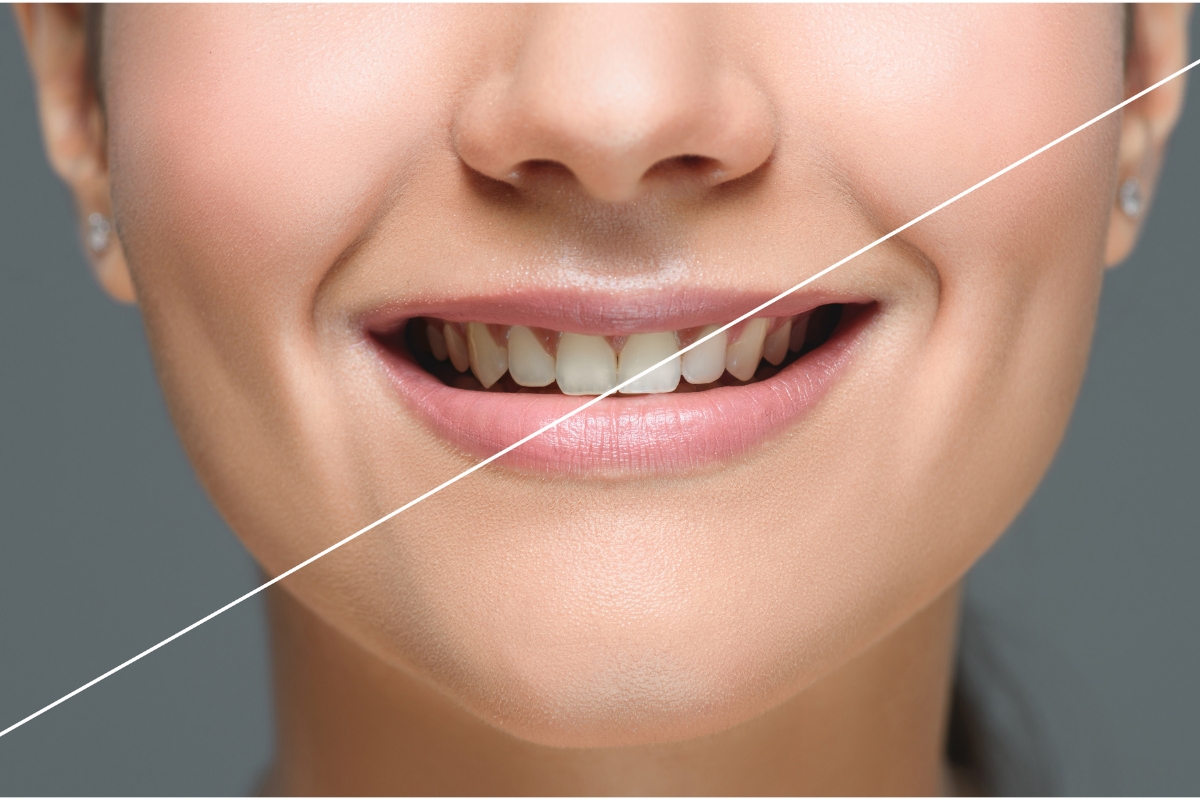
When stains are more noticeable, whitening treatments can help restore a brighter appearance. These treatments are designed to be safe on enamel while improving overall tooth color. Many individuals look into teeth whitening Mesa treatments to achieve a cleaner, more even smile.
Improving Daily Habits
Simple adjustments—like brushing more carefully, flossing consistently, and being mindful of stain-causing foods—can help both treat and prevent future spots.
It’s best to avoid experimenting with harsh home remedies. Some methods can scratch or weaken enamel, which may lead to more noticeable discoloration later on.
How to Keep Your Teeth Spot-Free
Preventing black spots doesn’t require anything complicated—just consistency and a bit of awareness.
- Brush your teeth thoroughly twice a day
- Don’t skip flossing, especially before bed
- Keep up with regular dental visits
- Try to limit foods and drinks that stain easily
- Rinse your mouth with water after meals
- Stay away from tobacco products
These small habits, when done regularly, can make a big difference in how your teeth look and feel over time.
Frequently Asked Questions
Do black spots always mean something serious?
No, many of them are just surface stains. However, if they change in size, feel rough, or cause discomfort, it’s a good idea to get them checked.
Can they be removed completely?
In many cases, yes. Professional cleaning or whitening can remove most stains. Deeper issues may require other treatments.
Is it possible that a dark spot is a cavity?
Yes, it’s possible. That’s why it’s important not to ignore spots that don’t go away or seem to get worse.
Will brushing harder remove the stains?
Brushing harder isn’t recommended. It can wear down enamel and make teeth more sensitive without effectively removing stains.
How can I avoid getting these spots again?
Good oral hygiene, regular cleanings, and being mindful of what you consume can help prevent them from coming back.
If you’ve been noticing dark spots on your teeth, getting them evaluated is a simple step that can make a big difference. Schedule an appointment today to protect your oral health and keep your smile looking its best!