

Dry Mouth Relief: The Ultimate Food & Hydration Guide
Book Online

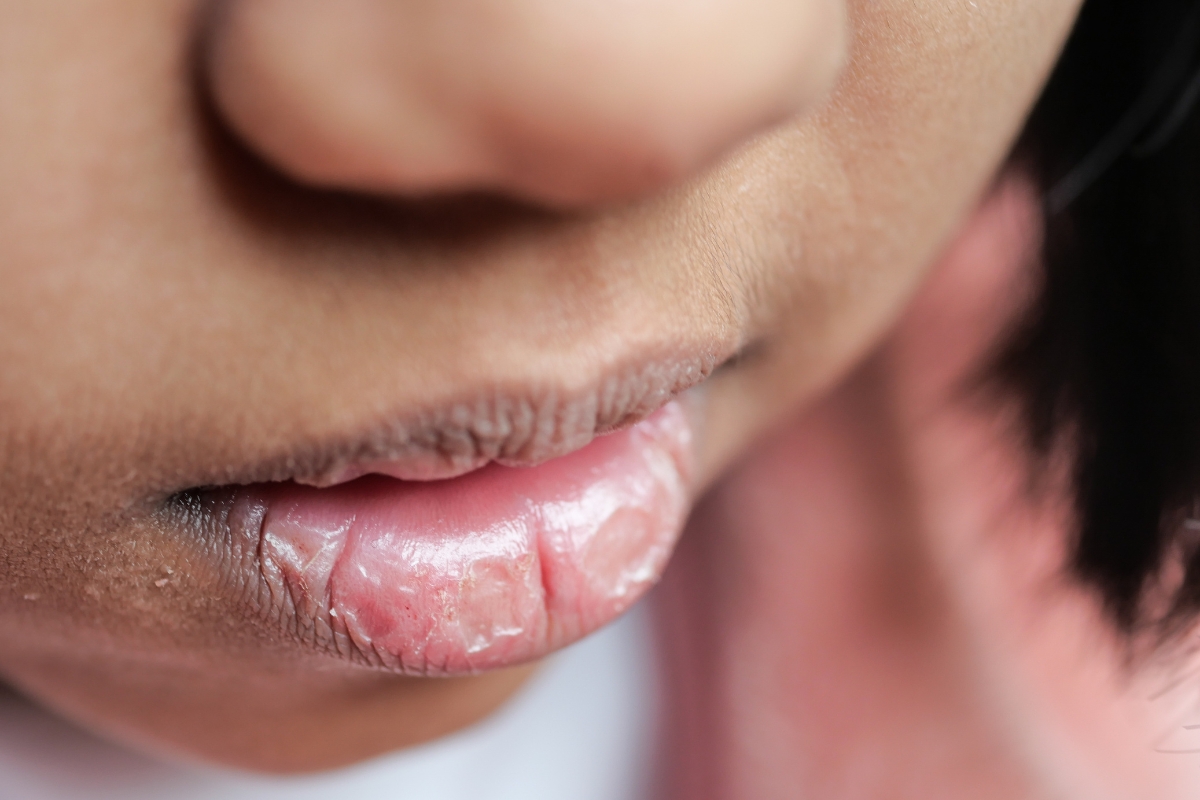
Dry mouth—also called Xerostomia—can sneak up on you. One day your mouth feels normal, and the next, it’s constantly dry, sticky, or uncomfortable. It happens when your body isn’t making enough saliva, and while that might not sound like a big deal, saliva actually does a lot behind the scenes. It helps clean your mouth, protects your teeth, and makes it easier to eat and speak.
When saliva levels drop, even simple things like talking or enjoying a meal can feel different. Some people notice their tongue feels rough, while others struggle with swallowing or a lingering dry sensation that doesn’t quite go away.
How to Tell If You Have Dry Mouth
Dry mouth doesn’t always look the same for everyone, but there are a few common signs to watch for:
- A dry or sticky feeling that sticks around all day
- Frequent thirst, even after drinking water
- A rough or coated tongue
- Trouble tasting foods properly
- Cracked lips or minor mouth irritation
- Changes in your voice or slight hoarseness
- Difficulty chewing or swallowing comfortably
If this sounds familiar and doesn’t improve, it’s a good idea to speak with a dentist in Mesa who can help identify what’s going on and guide you toward relief.
What’s Behind Dry Mouth?
There’s rarely just one reason. Dry mouth is often linked to everyday habits, medications, or health conditions.
Medications
A surprisingly large number of medications list dry mouth as a side effect, including those for allergies, depression, and blood pressure.
Low Fluid Intake
If you’re not drinking enough water, your body simply doesn’t have what it needs to produce saliva.
Health Conditions
Certain conditions like Diabetes and Sjogren’s syndrome can directly affect how much saliva your body makes.
Age-Related Changes
As we get older, some natural changes in the body can reduce saliva flow.
Smoking or Tobacco Use
Tobacco can irritate the mouth and make dryness feel worse.
Why Staying Hydrated Makes a Difference
Hydration is one of the simplest ways to support your body—and your mouth. Since saliva is mostly water, your intake directly affects how well your mouth stays moist.
How Much Water Should You Aim For?
The “8 glasses a day” rule is a helpful starting point, but your needs might be higher depending on your routine, weather, and activity level.
Easy Ways to Drink More Without Thinking About It
- Keep a water bottle within reach throughout the day
- Add natural flavors like citrus or mint to make water more enjoyable
- Swap sugary drinks for herbal teas
- Snack on foods that naturally contain water
Foods That Can Help Ease Dry Mouth
Some foods don’t just hydrate you—they actually encourage your mouth to produce more saliva.
Watermelon & Cucumbers
These are naturally high in water and feel refreshing, especially when your mouth feels dry.
Celery
Its crunch helps trigger saliva production while also gently cleaning your teeth.
Leafy Greens
Foods like spinach and kale support overall oral tissue health.
Yogurt
Plain yogurt (without added sugar) can help maintain a balanced oral environment.
Soups & Broths
Warm and easy to consume, they’re especially helpful if chewing feels uncomfortable.
Nuts (Unsalted)
Chewing nuts can stimulate saliva, but salted ones may irritate your mouth.
Apples & Pears
Their natural crunch encourages saliva and keeps your mouth active.
Sugar-Free Gum
A quick and effective option to boost saliva flow during the day.
Herbal Teas
Gentle, soothing, and hydrating without the drying effects of caffeine.
Foods and Habits to Be Careful With
Some everyday choices can make dry mouth feel worse without you realizing it.
- Dry snacks like crackers or chips can absorb moisture in your mouth
- Caffeine and alcohol tend to dry you out
- Sugary foods can increase the risk of cavities when saliva is low
Switching to softer, more moisture-rich foods can make eating much more comfortable.
Simple Ways to Feel More Comfortable
A few small adjustments can go a long way in reducing dryness:
- Try breathing through your nose instead of your mouth
- Use a humidifier while sleeping, especially in dry weather
- Avoid tobacco products
- Keep water nearby, especially at night
There are also oral sprays and gels available that can provide temporary moisture when you need quick relief.
Don’t Skip Your Oral Care Routine
When your mouth is dry, your teeth lose some natural protection, which means you’ll need to be a bit more mindful about oral hygiene.
- Brush twice a day with a gentle toothpaste
- Floss daily to remove buildup
- Avoid alcohol-based mouthwashes
- Keep up with regular dental visits
A reliable Mesa dentist can help monitor your oral health and recommend solutions tailored to your needs.
Final Thoughts
Dry mouth can feel frustrating, but it’s manageable with the right approach. Paying attention to hydration, making thoughtful food choices, and sticking to a consistent oral care routine can all help you feel more comfortable day to day.
If the dryness continues or starts affecting your quality of life, don’t wait—schedule an appointment with a dental professional in Mesa, AZ for personalized care and guidance.
Frequently Asked Questions
Can dry mouth lead to bad breath?
Yes. Without enough saliva to wash away bacteria, odor can build up more easily.
What can I do for dry mouth at night?
Staying hydrated, using a humidifier, and avoiding caffeine in the evening can help reduce nighttime dryness.
Is chewing gum helpful?
Yes, especially sugar-free gum. It can help stimulate saliva and provide temporary relief.
Should I be concerned about long-term dry mouth?
If it continues, it can increase your risk of cavities and gum problems, so it’s worth addressing early.
When is it time to see a dentist?
If dry mouth doesn’t improve or starts interfering with eating or speaking, it’s best to get professional advice.