
Loose Dentures? Don’t Fret! Our Easy Guide to Snug Them Up
Book Online

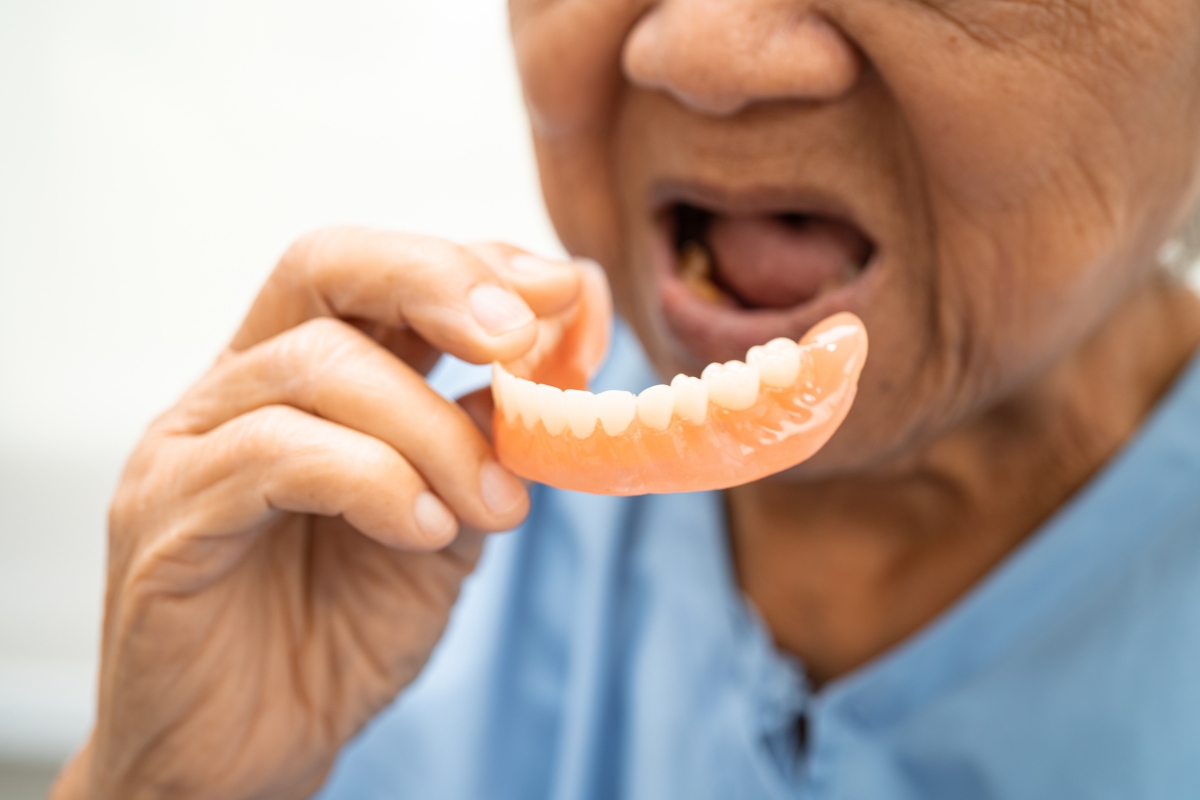
Dentures are meant to help you enjoy everyday life with confidence. They make it easier to eat, speak, and smile after tooth loss. But when dentures start shifting or slipping, even simple things like having a conversation or eating dinner can become frustrating. Many people feel embarrassed or uncomfortable when their dentures no longer stay in place the way they used to.
The reality is that denture looseness happens to many people over time. Your mouth naturally changes as the years go by, and dentures may eventually stop fitting as securely as they once did. The good news is that there are several ways to improve the fit and comfort of your dentures before the problem becomes more serious.
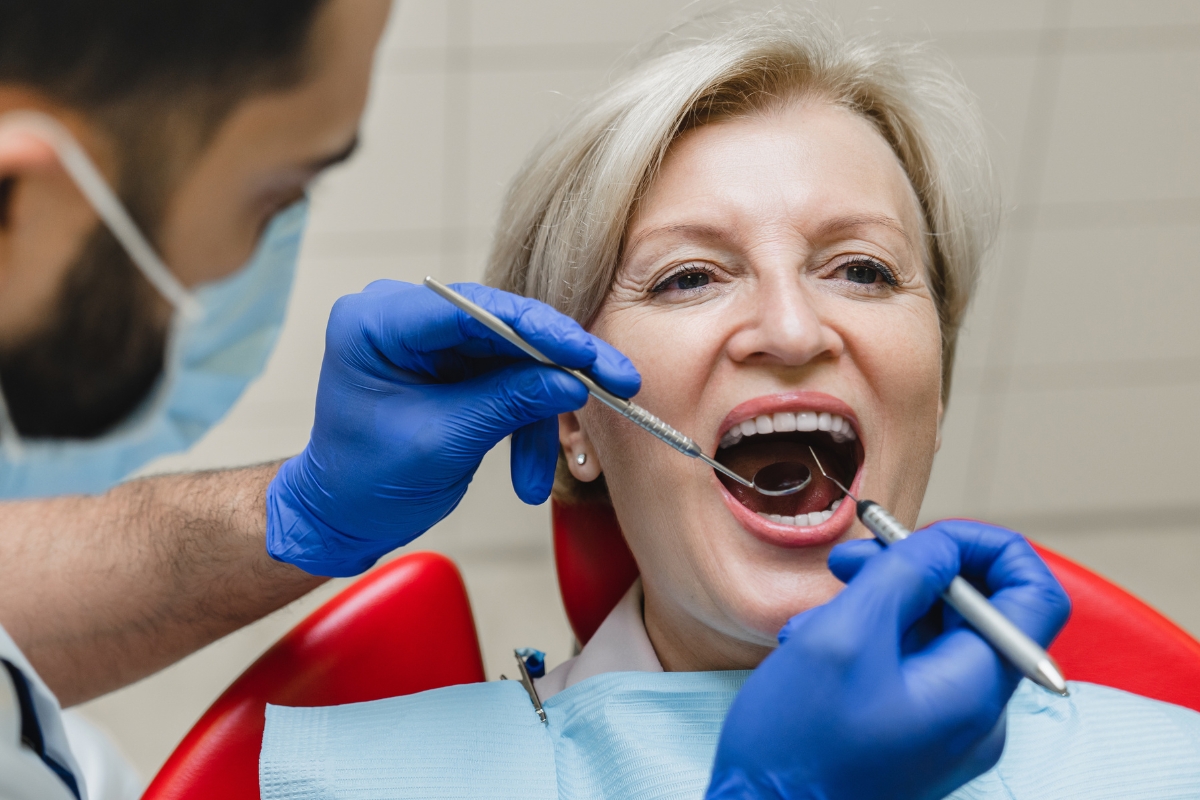
Patients visiting a dentist in Mesa, AZ often discover that loose dentures are connected to normal changes in the jaw and gums. At Brown Road Dental, Dr. John Cismas helps patients find practical solutions that improve denture comfort and make daily life easier again.
Why Dentures Stop Fitting Properly
A lot of people assume loose dentures mean something is wrong with the appliance itself, but the issue is usually related to changes happening inside the mouth.
Changes in the Jawbone
After teeth are removed, the jawbone slowly loses density because it no longer supports natural tooth roots. As the bone shrinks, the gums also change shape. This can create extra space beneath dentures, causing movement and instability.
Normal Aging and Gum Changes
Your mouth naturally changes over time. Gum tissue may become thinner, and the shape of your mouth may gradually shift with age. Even a small change can affect how dentures fit.
Everyday Use
Dentures go through constant pressure from chewing and speaking. Over the years, the materials may wear down, reducing the snug fit they once had.
Signs Your Dentures May Need Attention
Loose dentures usually become noticeable little by little. You may first notice small changes during meals or conversations.
Some common signs include:
- Dentures moving while talking
- Difficulty chewing certain foods
- Clicking sounds when speaking
- Gum tenderness or sore spots
- Dentures slipping out of place
- Food getting trapped underneath
These symptoms should not be ignored. Poor-fitting dentures can irritate the gums and may eventually lead to additional oral health problems.
Things You Can Try at Home
While professional care is often the best option, a few small adjustments at home may temporarily improve denture comfort.
Keep Dentures Clean
Buildup from food, bacteria, and adhesive can affect the way dentures sit against your gums.
A simple cleaning routine can help:
- Brush dentures every day with a soft denture brush
- Rinse after eating
- Use denture cleanser instead of regular toothpaste
- Soak dentures overnight to keep them from drying out
Avoid using hot water because heat can change the shape of the denture material.
Use Adhesive the Right Way
Denture adhesive can provide short-term support, but using too much may actually make dentures feel bulky or uncomfortable.
For better results:
- Remove old adhesive completely before applying more
- Use a small amount
- Follow the product instructions carefully
If you find yourself relying heavily on adhesive every day, it may be time to have your dentures professionally evaluated.
Temporary Denture Reliners
Some people try over-the-counter reliners to improve fit for a short period of time.
Soft Cushion Liners
These liners create a softer surface between the dentures and gums, which may help reduce irritation.
Home Reline Products
DIY kits are available, but they do not always fit evenly and may wear down quickly. In some cases, poorly fitted reliners can make irritation worse instead of better.
When Professional Care Is Necessary
At-home solutions may help temporarily, but they cannot fix every denture problem. Some situations require professional treatment to avoid further discomfort.
You should visit a dentist if you notice:
- Pain that does not improve
- Dentures that crack or break
- Swelling or sores on the gums
- Difficulty eating normally
- Dentures becoming increasingly loose
- Changes in speech caused by slipping dentures
A dental exam can help identify whether the issue is related to fit, bone loss, or damage to the dentures themselves.
Treatment Options for Loose Dentures
There are several professional treatments available depending on the condition of your dentures and oral health.
Denture Relining
Relining reshapes the inside portion of the denture so it fits more closely against the gums again. This is often recommended when dentures feel loose because of jaw changes.
Denture Rebasing
If the denture teeth are still in good condition, the base may be rebuilt while keeping the existing teeth in place.
Implant-Supported Dentures
Dental implants can provide additional support and help dentures stay secure while eating and speaking. Many patients prefer this option because it reduces slipping and improves stability.
Tips to Help Dentures Stay Comfortable Longer
Although some changes in the mouth are unavoidable, proper care can help extend the life and fit of your dentures.
Clean Dentures Consistently
Keeping dentures clean helps prevent buildup that may affect fit and comfort.
Handle Dentures Carefully
Dentures can crack if dropped. Cleaning them over a towel or sink filled with water can help prevent accidental damage.
Keep Up With Dental Visits
Regular dental appointments allow small denture issues to be corrected before they turn into bigger problems.
Support Your Oral Health
Eating nutritious foods and staying hydrated may help support healthy gum tissue and jawbone health.
Final Thoughts
Loose dentures can make daily life more difficult, but there are ways to improve comfort and stability. Sometimes a simple adjustment is enough, while other patients may benefit from relining or implant-supported dentures. Paying attention to early signs of looseness can help prevent bigger problems later on.
If your dentures no longer feel comfortable or secure, schedule an appointment with Brown Road Dental to meet with Dr. John Cismas and discuss the best option for restoring a confident, comfortable smile.
Frequently Asked Questions
How can I tell if my dentures are too loose?
If your dentures shift while eating or speaking, create sore spots, or frequently require adhesive, they may no longer fit properly.
Is it normal for dentures to loosen over time?
Yes. Changes in the jawbone and gums are common after tooth loss and can affect denture fit over the years.
Can loose dentures affect oral health?
Yes. Poorly fitting dentures may irritate the gums, create sore spots, and contribute to additional bone loss if not treated.
What is the difference between relining and rebasing?
Relining adjusts the inside surface of the denture for a better fit, while rebasing replaces the denture base completely.
Are dental implants a good option for denture wearers?
Implants can improve denture stability and reduce movement, making eating and speaking more comfortable for many patients.
How often should dentures be checked by a dentist?
Regular dental visits are recommended to monitor fit, comfort, and overall oral health.