
Why Lemon After Teeth Whitening Cause Blackish Stains
Book Online


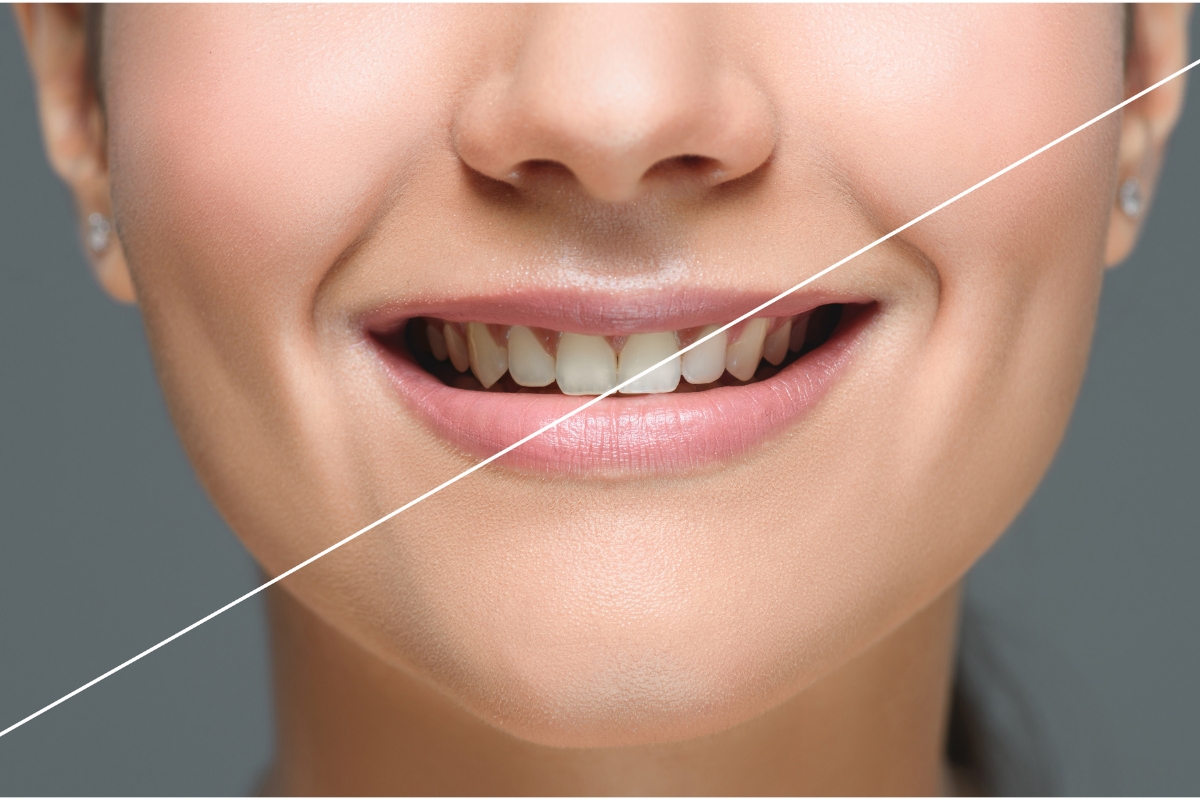
You’ve just completed a teeth whitening treatment, and your smile looks noticeably brighter. Naturally, you want to keep it that way. But what many people don’t realize is that the first couple of days after whitening are just as important as the treatment itself.
Something as simple as adding lemon to your water could affect the appearance of your newly whitened teeth.
While lemons are often linked to freshness and cleanliness, they can be surprisingly harsh on teeth that have recently undergone whitening. If you’ve noticed your smile looking duller than expected or experienced extra sensitivity after consuming lemon, there may be a connection.
Your Teeth Need Time to Recover After Whitening
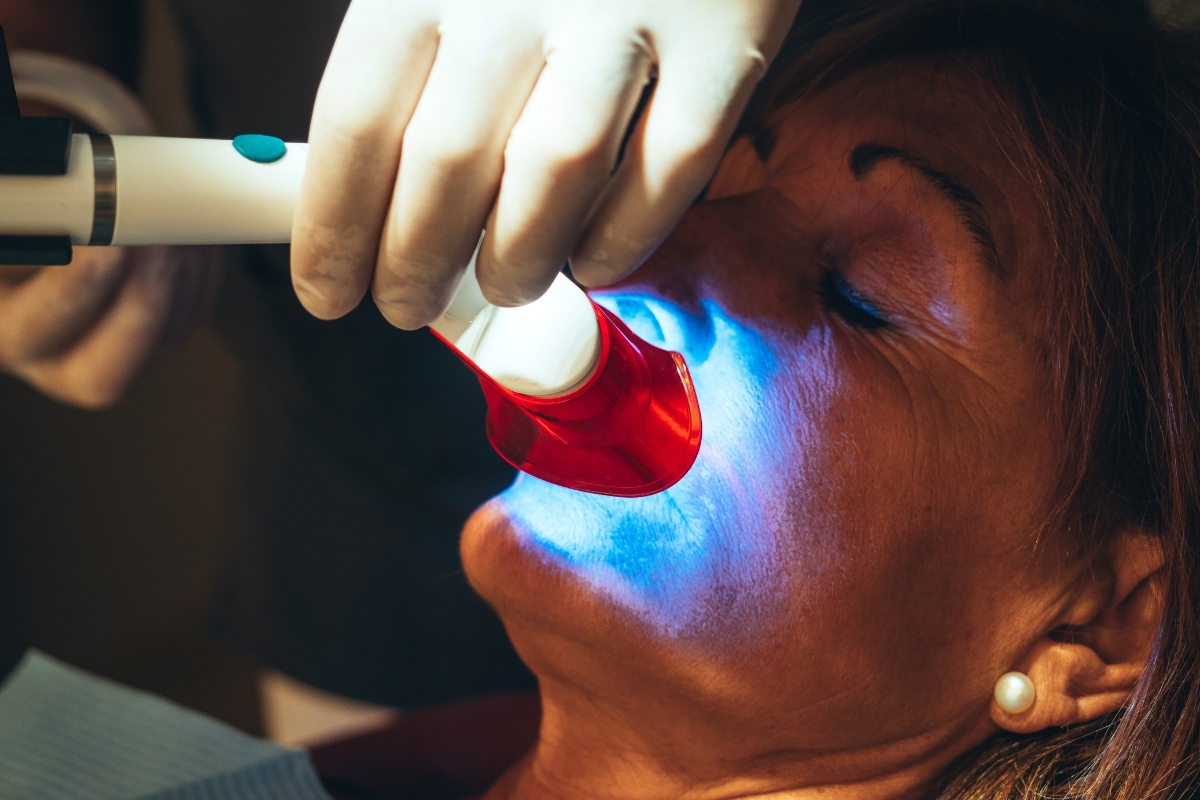
A professional whitening treatment works by lifting years of stains from the tooth surface. During this process, the outer layer of the teeth becomes temporarily more receptive to whatever enters your mouth.
This doesn’t mean your teeth are damaged. It simply means they need a short recovery period before returning to normal.
Patients who receive professional teeth whitening Mesa treatments are often advised to be mindful of what they eat and drink for the next 24 to 48 hours. This window plays an important role in preserving the results they’ve worked to achieve.
Why Is Lemon a Concern?
The issue isn’t the yellow color of a lemon. The real concern is the acid it contains.
Citric acid is powerful enough to affect the surface of your teeth. When your enamel is already adjusting after whitening, acidic drinks can make the surface more vulnerable to changes.
Imagine painting a wall and touching it before the paint has fully dried. The finish may not look the same afterward. A similar concept applies to teeth after whitening. They need time before being exposed to foods and beverages that could interfere with the final result.
Can Lemon Really Make Teeth Look Darker?
Indirectly, yes.
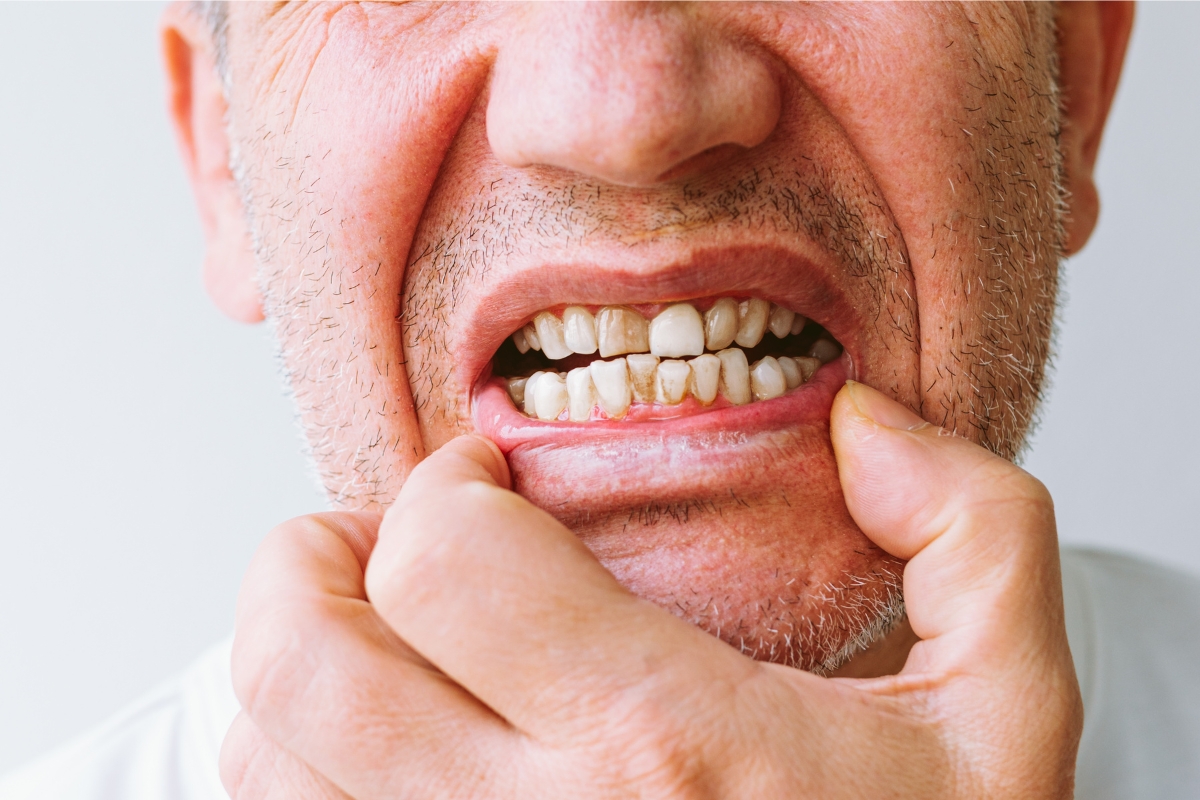
Lemon doesn’t leave black pigment on teeth. Instead, it can create conditions that make discoloration easier to develop. When acid repeatedly contacts the enamel, the surface may become less smooth. A rougher surface can hold onto stain-producing particles more easily than a healthy, polished one.
As a result, your teeth may start looking less bright, especially if you’re also drinking coffee, tea, soda, or other dark-colored beverages.
Other Effects of Drinking Lemon After Whitening
Increased Tooth Sensitivity
Many people already notice mild sensitivity after whitening. Acidic drinks can make that sensitivity more noticeable and may cause discomfort when consuming hot or cold foods.
Faster Enamel Wear
Your enamel protects the inner structures of your teeth. Frequent acid exposure can gradually weaken that protection, leaving teeth more vulnerable over time.
Reduced Whitening Longevity
When enamel is exposed to staining agents shortly after whitening, the results may not last as long as expected.
If you’re unsure how to protect your smile after treatment, speaking with a cosmetic dentist Mesa can help you develop habits that support longer-lasting whitening results.
Better Choices During the First Two Days
You don’t have to avoid everything you enjoy forever. The goal is simply to give your teeth a short break while they recover.
Some safer options include:
- Plain water
- Milk
- White rice
- Chicken or turkey
- Bananas
- Apples without the skin
- Cauliflower
- Plain yogurt
These foods are less likely to interfere with your whitening results and are generally easier on sensitive teeth.
A Few Habits That Help Preserve a Brighter Smile
Professional whitening can provide impressive results, but maintenance matters.
To keep your smile looking its best:
- Brush and floss consistently.
- Drink water throughout the day.
- Limit highly acidic beverages.
- Rinse your mouth after consuming foods that may stain.
- Visit your dentist for routine cleanings and examinations.
- Follow all aftercare instructions provided after whitening treatment.
Small daily choices often have a greater impact on whitening results than people realize.
Keep Your Smile Looking Its Best
A brighter smile is an investment in your confidence and appearance. Protecting that investment starts with understanding how everyday habits affect your teeth after treatment.
Although lemon is often viewed as a healthy addition to your diet, consuming it too soon after whitening may increase sensitivity and make your teeth more vulnerable to discoloration. Giving your teeth a little extra care during the recovery period can help you enjoy your whitening results for much longer.
At Brown Road Dental, we help patients achieve healthy, confident smiles through personalized cosmetic and preventive dental care. If you have questions about maintaining your whitening results or would like to explore your treatment options, schedule an appointment with our team today.
Frequently Asked Questions
Is lemon water safe after teeth whitening?
It’s usually best to avoid lemon water for the first 48 hours after whitening because the acid may increase sensitivity and affect the appearance of your results.
Can acidic foods reverse whitening results?
Acidic foods don’t reverse whitening directly, but they can make teeth more susceptible to staining during the recovery period.
What should I drink after whitening my teeth?
Water is the safest option. Milk is another good choice because it is gentle on enamel and contains beneficial minerals.
How long do whitening results usually last?
Results vary from person to person, but good oral hygiene and regular dental visits can help maintain a brighter smile for months or even years.
When should I contact my dentist after whitening?
If sensitivity becomes severe, lasts longer than expected, or if you notice unusual discoloration, contact your dentist for guidance.