A cold sore can show up at the worst possible time. You might notice a slight tingling around your lip before an important meeting, a family gathering, or a special occasion. Within a day or two, that small spot may turn into a painful blister that makes eating, talking, and smiling uncomfortable.
If you’re wondering how to get rid of a cold sore fast, the first thing to understand is that treatment timing matters. Cold sores are caused by the herpes simplex virus, usually HSV-1. Although there is no permanent cure for the virus, certain treatments can shorten an outbreak and help manage discomfort.
For people living in Arizona area, sun exposure and dry weather can also make lip care particularly important. Whether you’re dealing with your first outbreak or a recurring cold sore, knowing which treatments work and what to avoid can make recovery easier. If you have concerns about an unusual sore around your mouth, a dentist in Mesa can also help assess oral health concerns and determine whether further evaluation is needed.
What Causes Cold Sores?
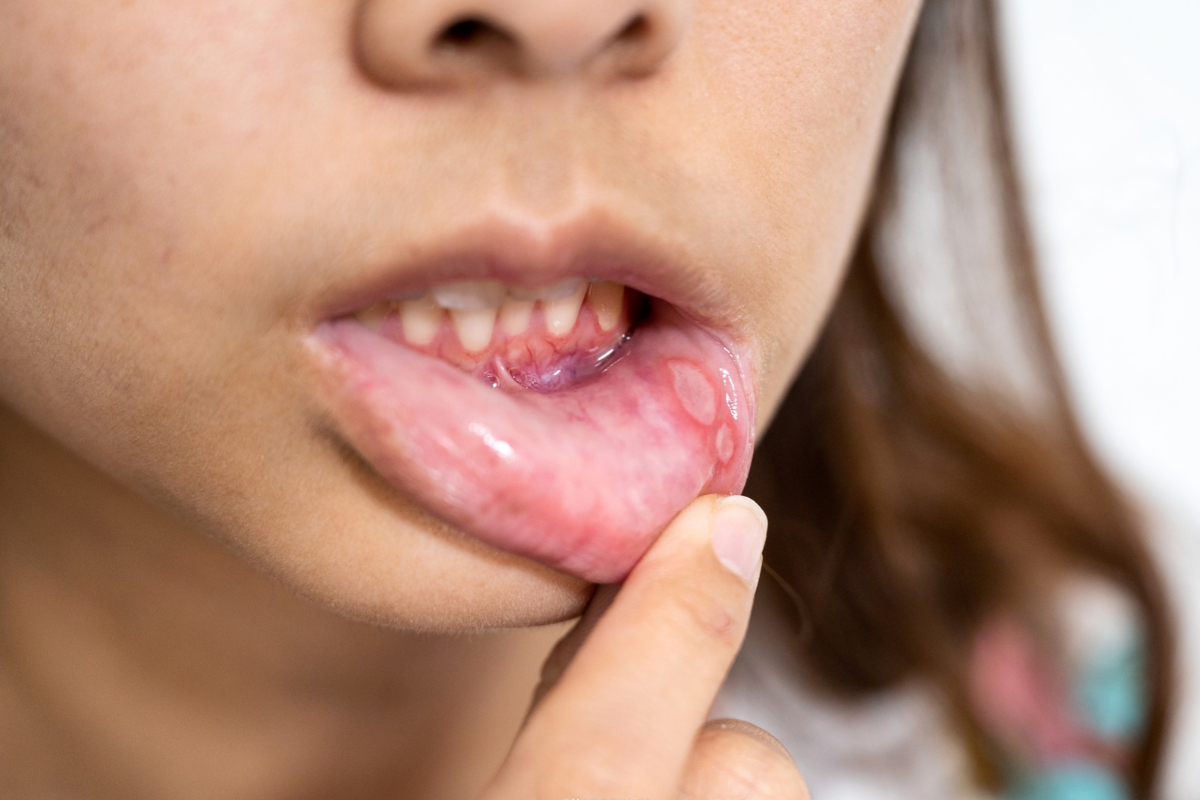
Cold sores are small, fluid-filled blisters that usually develop around the lips, although they can sometimes appear near the nose or other areas around the mouth.
The herpes simplex virus type 1 (HSV-1) causes most oral cold sores. Once the virus enters the body, it remains there and can become inactive for periods of time. Certain triggers may reactivate it and cause another outbreak.
Common triggers include:
- Stress: Physical or emotional stress may contribute to an outbreak.
- Sun exposure: Ultraviolet rays can trigger cold sores in some people.
- Illness: A fever, cold, or other infection may reactivate the virus.
- Hormonal changes: Some people notice outbreaks around their menstrual cycle.
- Fatigue: Lack of sleep and physical exhaustion may make outbreaks more likely.
Cold sores usually follow a recognizable pattern, beginning with tingling, itching, or burning before blisters appear. The blisters eventually break, form a crust, and heal.
How to Get Rid of a Cold Sore Fast
There is no instant way to remove a cold sore, but starting treatment early can help shorten the outbreak. The best approach depends on the severity of the symptoms and how frequently you experience them.
Start Antiviral Treatment Early
Antiviral medications are among the most effective options for managing cold sore outbreaks. They work by slowing the virus’s ability to multiply.
Common prescription options include:
- Acyclovir
- Valacyclovir
- Famciclovir
These medications are available in different forms and dosing schedules. A healthcare professional can determine which option is appropriate for you.
Timing is important. Antiviral treatment generally works best when started during the earliest symptoms, such as tingling or burning, before visible blisters develop.
For people who experience frequent or severe outbreaks, a healthcare professional may recommend preventive antiviral medication.
Consider an Over-the-Counter Cold Sore Cream
Some over-the-counter products can help reduce symptoms and shorten healing time slightly.
Docosanol 10% cream is an FDA-approved nonprescription treatment for cold sores. It works by interfering with the virus’s ability to enter healthy cells.
For the best results:
- Start using it as soon as you notice early symptoms.
- Follow the package directions carefully.
- Wash your hands before and after applying it.
- Avoid touching or rubbing the affected area unnecessarily.
These products do not eliminate HSV-1 from your body, and their benefits are generally modest.
Apply a Cold Compress to Reduce Discomfort
If your cold sore feels swollen, painful, or irritated, a cold compress may provide temporary relief.
Wrap a clean ice pack in a soft cloth and gently hold it against the affected area for a few minutes. Avoid placing ice directly on your lips, as extreme cold can irritate the skin.
This approach may help with how to reduce cold sore swelling and pain, but it does not directly kill the virus or speed up the underlying healing process.
Keep Your Lips Moisturized
Dry, cracked lips can make an existing cold sore more uncomfortable. Applying a gentle lip balm or petroleum jelly may help prevent cracking and protect the surrounding skin.
Choose fragrance-free products when possible. If you use an applicator that touches the sore, avoid sharing it and consider using a disposable cotton swab.
In Mesa’s dry climate, regular lip protection is useful. During outdoor activities, use a lip balm with SPF 30 or higher to help protect against sun-related triggers.
Avoid Picking or Popping the Blisters
It can be tempting to squeeze a cold sore, especially when it becomes noticeable. However, picking at the blister can damage the skin, delay healing, and spread the virus to other areas.
Let the blister heal naturally. If it breaks on its own, keep the area clean and avoid touching it unnecessarily.
Cold Sore Treatment at Home: What Actually Helps?
A cold sore treatment at home can make an outbreak more manageable, even though home remedies cannot eliminate the virus.
Here are a few practical cold sore remedies:
- Drink enough water: Staying hydrated supports general health and prevents dry lips.
- Choose comfortable foods: Avoid acidic, salty, or spicy foods if they irritate the sore.
- Get adequate sleep: Rest supports your body’s normal immune response.
- Manage stress: Gentle exercise, relaxation, and regular sleep habits may help reduce potential triggers.
- Protect the affected area: Avoid unnecessary friction from clothing, towels, or repeated touching.
Be cautious with internet remedies involving toothpaste, rubbing alcohol, lemon juice, or undiluted essential oils. These substances can irritate the skin and make the sore more painful.
How Long Does a Cold Sore Take to Heal?
Most cold sores heal on their own within approximately 7–14 days. However, the timeline varies depending on the severity of the outbreak, individual health, and whether treatment begins early.
| Healing stage | What usually happens |
|---|---|
| Days 1–2 | Tingling, itching, burning, or tightness |
| Days 2–4 | Fluid-filled blisters may develop |
| Days 4–6 | Blisters may break and begin to crust |
| Days 6–10 | Scabbing and gradual skin repair |
| Days 10–14 | The sore generally heals |
These are approximate timeframes rather than a guaranteed recovery schedule.
Antiviral treatment may shorten an outbreak, particularly when started early. However, no cream or home remedy can promise that a cold sore will disappear overnight.
How to Prevent Cold Sores From Coming Back
Because HSV-1 remains in the body, another outbreak may occur in the future. While you cannot always prevent recurrence, a few habits may help reduce the likelihood of triggers.
- Use SPF lip balm when spending time outdoors.
- Get consistent sleep.
- Manage stress where possible.
- Avoid sharing lip balm, razors, or other personal items.
- Pay attention to the early tingling sensation and discuss prompt treatment with a healthcare professional.
Cold sores are contagious, particularly when blisters are present. Wash your hands after touching the affected area, and avoid touching your eyes.
When Should You Seek Professional Care?
Most cold sores heal without complications, but certain situations deserve medical attention.
Contact a healthcare professional if:
- The sore does not begin healing within two weeks.
- You experience frequent or particularly painful outbreaks.
- The affected area becomes increasingly swollen or develops signs of infection.
- You have a weakened immune system.
- You develop a cold sore near your eye or experience eye pain or vision changes.
Seek prompt medical care for eye-related symptoms because herpes infection can affect the eye and potentially threaten vision.
If you are unsure whether a sore is a cold sore, a canker sore, or another oral condition, a professional examination can help clarify the cause. Brown Road Dental in Mesa, AZ, can evaluate oral health concerns and help determine whether dental assessment or referral to a medical professional is appropriate. If you notice an unusual or persistent sore around your mouth, schedule an appointment to discuss your concerns.
Frequently Asked Questions
How can I heal a cold sore overnight?
A cold sore generally cannot heal overnight. Starting antiviral treatment at the first sign of tingling may shorten the outbreak. A cold compress and gentle lip moisturizer can also help manage discomfort.
What is the fastest cold sore treatment?
Prescription antiviral medications such as valacyclovir and acyclovir are commonly used to manage outbreaks. Docosanol 10% is an over-the-counter option. Treatment works best when started early.
Does ice help cold sores go away faster?
Ice does not eliminate the virus or directly speed up healing. However, a cold compress can temporarily reduce swelling, irritation, and pain.
Are cold sores contagious?
Yes. Cold sores can spread through direct contact. The risk is highest during an active outbreak, but transmission can sometimes occur even without visible sores.
Can toothpaste or alcohol dry out a cold sore?
These remedies are not recommended. Toothpaste and rubbing alcohol can irritate the skin, increase discomfort, and potentially delay healing. Use products specifically intended for cold sore care instead.