

How Does A Dentist Remove A Dental Crown?
Book Online

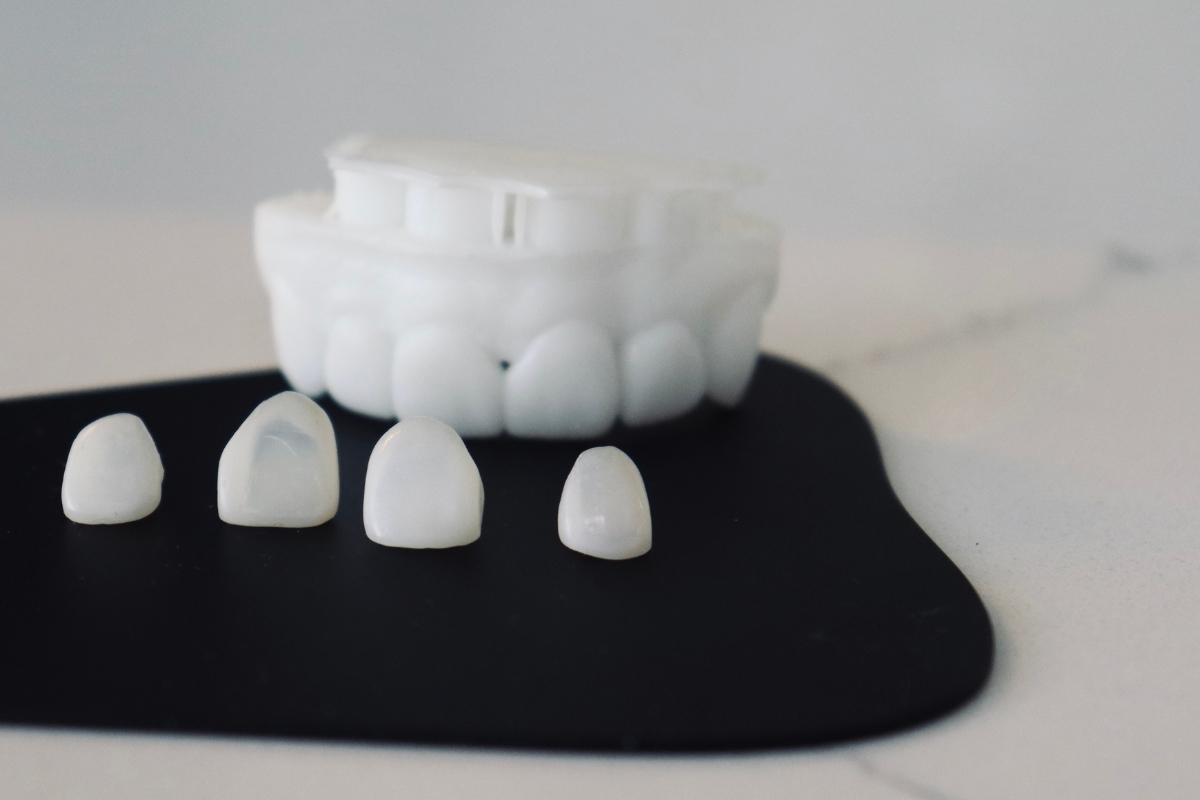
Dental crowns are meant to protect teeth that have been weakened by decay, fractures, or large dental procedures. They are strong, long-lasting restorations, but like anything in dentistry, they may eventually need attention. A crown can loosen, wear down, crack, or stop fitting properly over time. When that happens, your dentist may recommend removing it to protect the health of the tooth underneath.
Many patients feel nervous when they hear a crown needs to come off, mainly because they are unsure what the process involves. The good news is that crown removal is a routine dental procedure that can usually be completed comfortably and safely in one visit.
A dental crown is essentially a custom-made cap that covers the visible portion of a tooth. Crowns are often made from porcelain, ceramic, metal, or a combination of materials to restore both appearance and function. They are commonly used after root canal therapy, large fillings, cracked teeth, or severe tooth damage.
If you have an older crown that feels uncomfortable or no longer looks natural, visiting a trusted dentist in Mesa, AZ can help you determine the best next step. At Brown Road Dental, patients receive personalized care focused on restoring comfort, protecting natural teeth, and improving long-term oral health.
Why Would a Dental Crown Need to Be Removed?
Although crowns are durable, they are not designed to last forever. There are several reasons why a dentist may recommend taking one off.
Decay Around the Crown
Even with a crown in place, the natural tooth underneath can still develop cavities. Bacteria may collect around the edges of the crown, especially if there are tiny gaps or worn areas. Removing the crown allows the dentist to clean out the decay and treat the tooth before the problem worsens.
A Broken or Worn Crown
Crowns handle a lot of daily pressure from chewing and biting. Over the years, they can crack, chip, or become worn down. A damaged crown may stop protecting the tooth properly and should be replaced before more serious issues develop.
A Loose or Uncomfortable Fit
Sometimes a crown becomes loose because the cement holding it weakens over time. Other times, changes in your bite or gum tissue can make the crown feel uncomfortable. A poorly fitting crown can irritate the gums and make chewing difficult.
Cosmetic Reasons
Older crowns may not blend naturally with surrounding teeth, especially if nearby teeth have changed color over time. Some patients choose to replace outdated crowns with newer restorations that provide a more natural-looking smile.
Problems Under the Tooth
In certain situations, the tooth underneath the crown may become infected or inflamed. Removing the crown allows the dentist to properly examine and treat the area before placing a new restoration.
What Happens During Dental Crown Removal?
Many people are surprised to learn that removing a dental crown is usually more straightforward than they expected. Dentists use special tools and techniques to make the process as gentle as possible.
Step 1: Examining the Tooth
Before starting, the dentist carefully checks the crown and surrounding teeth. X-rays may be taken to see the condition of the tooth beneath the crown and identify any hidden problems.
Step 2: Numbing the Area
To keep you comfortable, the area around the tooth is numbed using local anesthesia. Most patients feel pressure during the procedure but little to no pain.
Step 3: Loosening the Crown
The dentist carefully works around the crown to loosen the dental cement holding it in place. Special dental instruments are used to protect the natural tooth structure underneath.
Step 4: Removing the Crown
Once the crown has loosened enough, the dentist gently lifts it away from the tooth. In some cases, the crown may need to be cut into sections for safer removal.
Step 5: Checking the Tooth Underneath
After the crown is removed, the dentist thoroughly examines the tooth. If there is decay, damage, or infection present, treatment recommendations will be discussed before moving forward with a new crown.
Step 6: Temporary Protection
If a permanent crown cannot be placed right away, a temporary crown may be used to protect the tooth until the final restoration is ready.
Does Removing a Crown Hurt?
Most patients say the procedure is easier than they expected. Since the tooth and surrounding area are numbed beforehand, discomfort during the procedure is minimal. Some mild sensitivity afterward is possible, especially if the tooth underneath was already irritated, but this usually fades quickly.
If you feel anxious about dental treatment, your dentist can discuss ways to help you feel more relaxed during your appointment.
How Long Does the Procedure Take?
Crown removal is often completed during a regular dental visit. The exact timing depends on how securely the crown is attached and whether additional treatment is needed afterward.
Can the Same Crown Be Put Back On?
Sometimes an existing crown can be reused if it is still in good condition and fits properly. However, many patients benefit from a new crown that offers a better fit, stronger support, and improved appearance.
Caring for Your Dental Crown
Good oral hygiene habits can help crowns last longer. Brushing twice daily, flossing carefully around the crown, and visiting your dentist regularly are important for protecting both the crown and the tooth underneath.
Patients who grind their teeth at night may also benefit from wearing a custom nightguard to reduce pressure on their dental restorations.
Seeing a dentist in Mesa, AZ for routine exams can help catch small crown problems early before they become more expensive or uncomfortable to treat.
Final Thoughts
Having a dental crown removed may sound intimidating, but it is a common procedure that dentists perform with precision and care. Whether your crown is damaged, loose, worn out, or causing discomfort, replacing it at the right time can help protect your natural tooth and maintain a healthy smile.
Modern dental techniques make the process comfortable, efficient, and safe for patients of all ages. If you are noticing sensitivity, pain, or changes around your crown, it may be time to have it evaluated by a dental professional. Schedule an appointment with Brown Road Dental today and keep your smile healthy, comfortable, and strong for years to come.
Frequently Asked Questions
Can a dental crown be removed without damaging the tooth?
Yes. Dentists use specialized tools and careful techniques to remove crowns while protecting the natural tooth underneath.
How do I know if my crown needs to be replaced?
Common signs include pain, sensitivity, looseness, visible cracks, gum irritation, or difficulty chewing comfortably.
Is crown removal considered an emergency procedure?
Not always. However, if the crown is causing pain, infection, or significant discomfort, you should schedule a dental visit as soon as possible.
How long do dental crowns typically last?
Most crowns last between 10 and 15 years, though some can last even longer with proper care.
Will I leave the office without a crown?
Usually not. If your permanent crown is not ready immediately, your dentist may place a temporary crown to protect the tooth.
Can I eat normally after crown removal?
Your dentist may recommend avoiding very hard or sticky foods until your new crown is placed, especially if you are wearing a temporary restoration.
