

How Long Do Dental Stitches Take to Dissolve?
Book Online

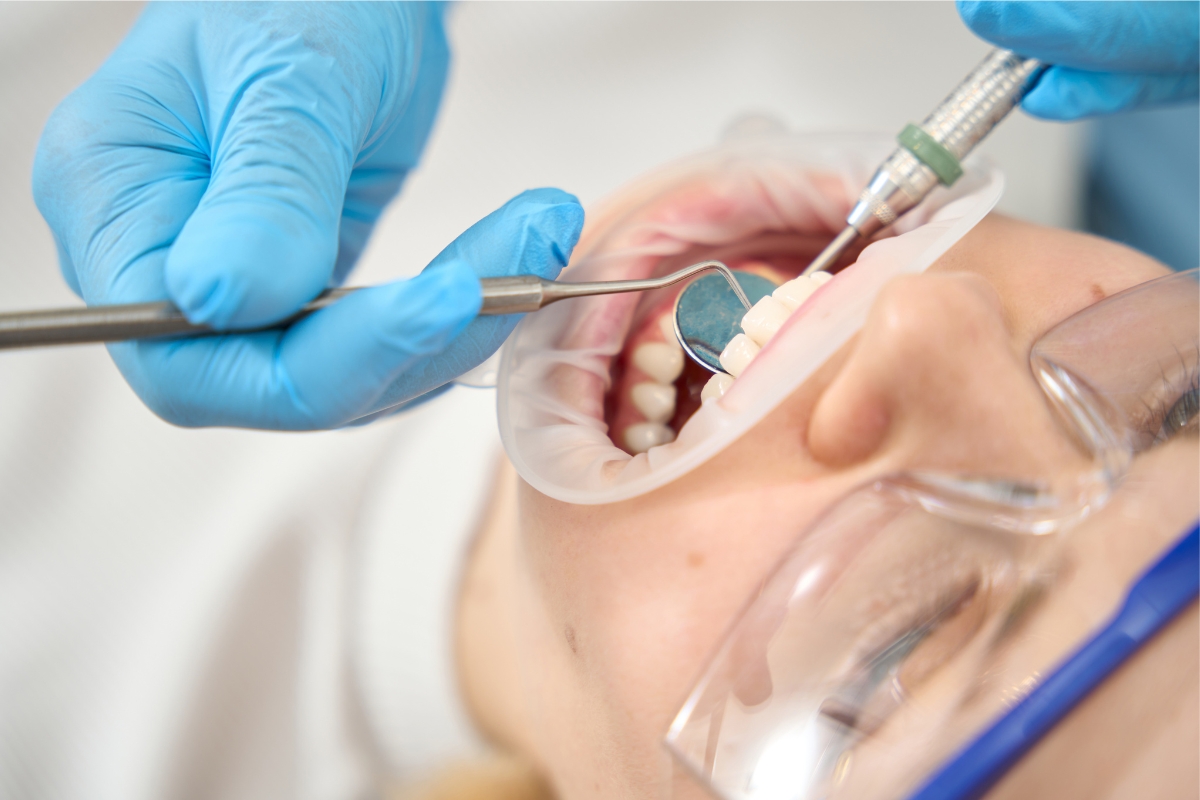
That sigh of relief after your dental procedure? Totally understandable. But now you might be eyeing those tiny stitches in your mouth and thinking — how long are these going to stay here?
Dental stitches, or sutures, are an essential part of the healing process after procedures like tooth extractions, gum grafts, or oral surgeries. They help close the wound, minimize bleeding, and protect the area while your tissues heal. Yet, the uncertainty about when they’ll dissolve can cause a bit of anxiety.
Take a deep breath — this guide breaks down everything you need to know about dental stitches: the types, how long they take to dissolve, what factors affect the process, and what you can do to care for them properly.
Types of Dental Stitches
Those little threads inside your mouth do more than just hold things together — they create the conditions your mouth needs to heal safely. Dentists generally use two main types of stitches depending on the procedure and your specific needs.
Dissolvable (Absorbable) Stitches
As the name suggests, these stitches are designed to dissolve naturally inside your body, saving you a return trip for removal. They’re often made from materials like polyglactin, Vicryl, or nylon, which are biocompatible and gradually break down as your tissue heals.
These are commonly used in gum surgeries or procedures involving soft tissues because they work with the body’s healing process and disappear on their own — usually within a couple of weeks.
Non-Dissolvable (Non-Absorbable) Stitches
These stitches are made from materials such as silk or polyester, which don’t dissolve. They’re used when extra strength or support is required during healing. If your dentist uses these, you’ll need to return for a follow-up appointment to have them professionally removed — typically within one to two weeks after surgery.
The type your dentist selects depends on factors like the surgical site, tissue thickness, and the complexity of the procedure. For instance, dissolvable stitches work well for gum areas that heal quickly, while non-dissolvable ones may be necessary for deeper or high-tension wounds.
Average Dissolving Timeline
Wondering how long those dissolvable stitches will stick around? The timeline can vary depending on the material and your personal healing rate. Here’s a general overview:
| Stitch Material | Average Dissolving Time |
|---|---|
| Polyglactin | 7–10 days |
| Vicryl | 7–14 days |
| Nylon | 10–14 days |
In most cases, dissolvable stitches disappear on their own within 7 to 14 days. Polyglactin sutures are often the quickest to dissolve, while nylon may take up to two weeks.
If your dentist used non-dissolvable stitches, they’ll let you know when to come back for removal. Don’t attempt to remove them yourself — doing so can delay healing or cause infection.
Factors That Affect How Quickly Stitches Dissolve
No two mouths heal at exactly the same pace. A few key factors influence how long your dental stitches stay in place:
Type of Procedure
The complexity of your dental surgery plays a big role. For simple treatments like gum contouring, dissolvable stitches may vanish within a week. But for more extensive surgeries, such as wisdom tooth extractions or bone grafting, stitches may last longer before breaking down.
Stitch Location
The area where the stitches are placed matters. Gum tissue has rich blood flow, which usually speeds up healing and dissolution (around 7–10 days). However, stitches near the inner cheeks or tongue might take a bit longer — up to 14 days — because those areas don’t heal as fast.
Your Body’s Healing Ability
Everyone’s healing rate is unique. Factors such as age, immune system health, and even nutrition can affect how quickly stitches dissolve. Some people heal remarkably fast, while others need a little more time.
Oral Hygiene Habits
Good oral hygiene after surgery can significantly improve healing. Gently brushing around the area and keeping it clean reduces bacteria buildup, helping your tissues recover faster.
What to Expect as Stitches Dissolve
As your stitches start to break down, you might notice a few mild changes. The sutures may loosen, feel softer, or even come apart in small pieces — that’s perfectly normal. Some minor irritation, swelling, or tenderness around the site is also common during the first few days.
However, if you notice severe pain, swelling that worsens, persistent bleeding, or any pus, reach out to your dentist in Mesa right away. These symptoms could indicate an infection or delayed healing that needs attention.
How to Care for Dental Stitches While Healing
Taking care of your mouth after dental surgery ensures your stitches do their job effectively. Here’s how to keep things clean and comfortable while they dissolve:
Brush Gently
Use a soft-bristled toothbrush and avoid brushing directly on the stitches for the first few days. Focus on nearby areas and gradually clean closer as healing progresses. Be gentle to avoid dislodging or irritating the stitches.
Rinse with Warm Saltwater
A warm saltwater rinse is a time-tested way to soothe your mouth and promote healing. Mix half a teaspoon of salt in a cup of warm water and gently swish for 20–30 seconds two or three times a day.
Avoid Irritants
Smoking, alcohol, and spicy or hard foods can irritate your healing gums. Try to avoid these until your dentist gives you the green light.
Follow Your Dentist’s Instructions
Your dentist’s aftercare plan is personalized to your procedure. Follow it closely, especially if you were prescribed medication or a specific mouth rinse.
When to Call Your Dentist
Even though dissolvable stitches take care of themselves, sometimes things don’t go as planned. Contact your Mesa dentist immediately if you experience:
- Increasing or severe pain
- Swelling that doesn’t subside after a few days
- Fever or chills
- Pus or unusual discharge around the surgical site
- A stitch that seems to hang loose or cause discomfort
Prompt attention helps prevent infection and ensures smooth recovery.
Key Takeaway
Dental stitches are a temporary but essential part of your healing journey. Most dissolvable stitches disappear naturally within 7 to 14 days, depending on the material and your body’s healing response. Practicing good oral hygiene, following your dentist’s instructions, and keeping an eye out for any unusual symptoms all play a part in a comfortable recovery.
If you’re unsure whether your stitches are healing as expected, or you’d like personalized guidance, reach out to your trusted dentist near you for expert care. Schedule an appointment today — your smile’s smooth recovery is just a call away.