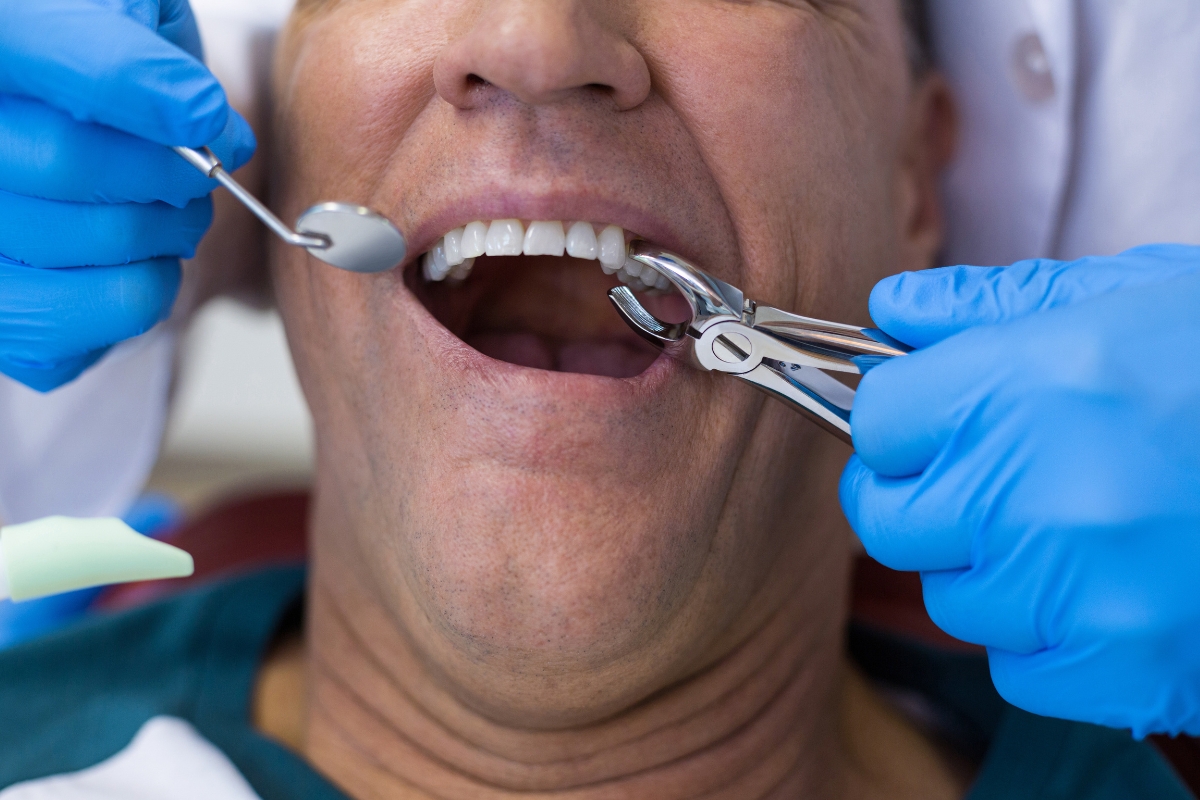

How Long Does The Jaw Hurt After A Tooth Extraction?
Book Online


Tooth extraction is a routine dental procedure, yet it’s natural to feel concerned about the discomfort that follows. Jaw soreness is one of the most common after-effects, especially during the first few days. The good news is that this discomfort is temporary. With the right care and guidance, most patients recover smoothly and return to their normal eating habits sooner than expected.
Why Does Your Jaw Hurt After an Extraction?
When a tooth is removed, the surrounding tissues, nerves, and muscles experience minor trauma. Your body responds with inflammation, which is a normal part of healing but can make the jaw feel stiff or tender. Additionally, keeping your mouth open during the procedure or having the jaw gently repositioned can contribute to post-procedure soreness.
If you’re preparing for an extraction or have concerns about recovery, consulting an experienced oral surgeon Mesa patients trust can make a meaningful difference. Skilled surgical care, combined with clear aftercare instructions, helps reduce complications and supports a more comfortable healing process.
What Is the Typical Healing Timeline?
Although healing varies from person to person, most patients follow a similar recovery pattern when it comes to jaw discomfort.
First 24 Hours:
This is usually when soreness is most noticeable. Mild bleeding and swelling are normal. Using a cold compress in short intervals and taking dentist-approved pain relief can help manage symptoms.
Days 2–3:
Swelling often begins to decrease, and the sharp pain typically transitions into a dull ache. Continue following aftercare instructions and avoid chewing near the extraction area.
Days 4–7:
By this stage, many people feel a clear improvement. Jaw stiffness may linger slightly, but it should no longer interfere with daily activities.
Patients who follow detailed recovery guidance from a qualified dentist Mesa residents rely on often notice faster improvement and fewer complications during this phase.
Days 7–10:
Most discomfort should be minimal or completely resolved. If soreness persists beyond this period or worsens, it’s wise to seek professional advice.
Tips to Reduce Jaw Pain and Heal Comfortably
While healing takes time, certain habits can make the process easier and more comfortable:
Prioritize Rest:
Your body repairs itself more efficiently when you allow it adequate downtime. Avoid strenuous activities for at least the first couple of days.
Choose Soft Foods:
Stick with options like yogurt, smoothies, mashed vegetables, scrambled eggs, and soups. Gradually reintroduce firmer foods once chewing feels comfortable.
Keep Your Mouth Clean:
Gentle brushing and saltwater rinses help prevent infection without disturbing the extraction site.
Use Compresses Wisely:
Cold packs are helpful during the first day, while warm compresses can ease muscle tension after swelling subsides.
Stay Hydrated:
Drinking enough water supports tissue repair and overall recovery.
When Should You Call a Dental Professional?
Some discomfort is expected, but certain symptoms should never be ignored. Reach out to a dental provider if you notice:
- Severe or worsening pain
- Increasing swelling or redness
- Fever or chills
- Difficulty opening your mouth
- Persistent bad taste or discharge
These signs could point to issues such as infection or dry socket, both of which benefit from prompt treatment.
Supporting Long-Term Jaw Comfort
Once the initial healing phase passes, you can take extra steps to protect your oral health:
- Try gentle jaw movements if recommended by your dental professional to prevent stiffness.
- Manage stress levels, as tension can lead to jaw clenching.
- Maintain good posture to avoid unnecessary strain on facial muscles.
- Attend follow-up visits so your healing progress can be monitored.
Remember, recovery is a gradual process, but most people feel significantly better within a week or two. Paying attention to aftercare instructions and responding quickly to unusual symptoms can make all the difference.
If you’re planning a tooth extraction or experiencing ongoing jaw discomfort, schedule an appointment today for personalized care and guidance.
Frequently Asked Questions
How long does jaw pain usually last after a tooth extraction?
Most patients experience noticeable soreness for 3–5 days, with steady improvement afterward. Mild tenderness may last up to 10 days.
Is jaw stiffness normal after having a tooth removed?
Yes, temporary stiffness is common because the muscles around your mouth can become inflamed during the procedure.
What helps relieve jaw pain quickly?
Cold compresses during the first day, dentist-approved pain relievers, rest, and soft foods can significantly reduce discomfort.
When can I return to normal eating habits?
Many people begin adding solid foods within a week, but it’s best to progress gradually based on your comfort level.
How do I know if my pain is not healing properly?
Pain that intensifies instead of improving, especially when paired with swelling or fever, should be evaluated promptly.
Can wisdom tooth removal cause more jaw pain than a simple extraction?
Yes, surgical extractions often involve more tissue manipulation, which can lead to slightly longer recovery times.
Does keeping my mouth open during the procedure affect jaw soreness?
It can. Holding the jaw open for an extended period may strain the muscles, but the discomfort typically fades within a few days.