

Is Salt Water Good for Periodontal Disease?
Book Online

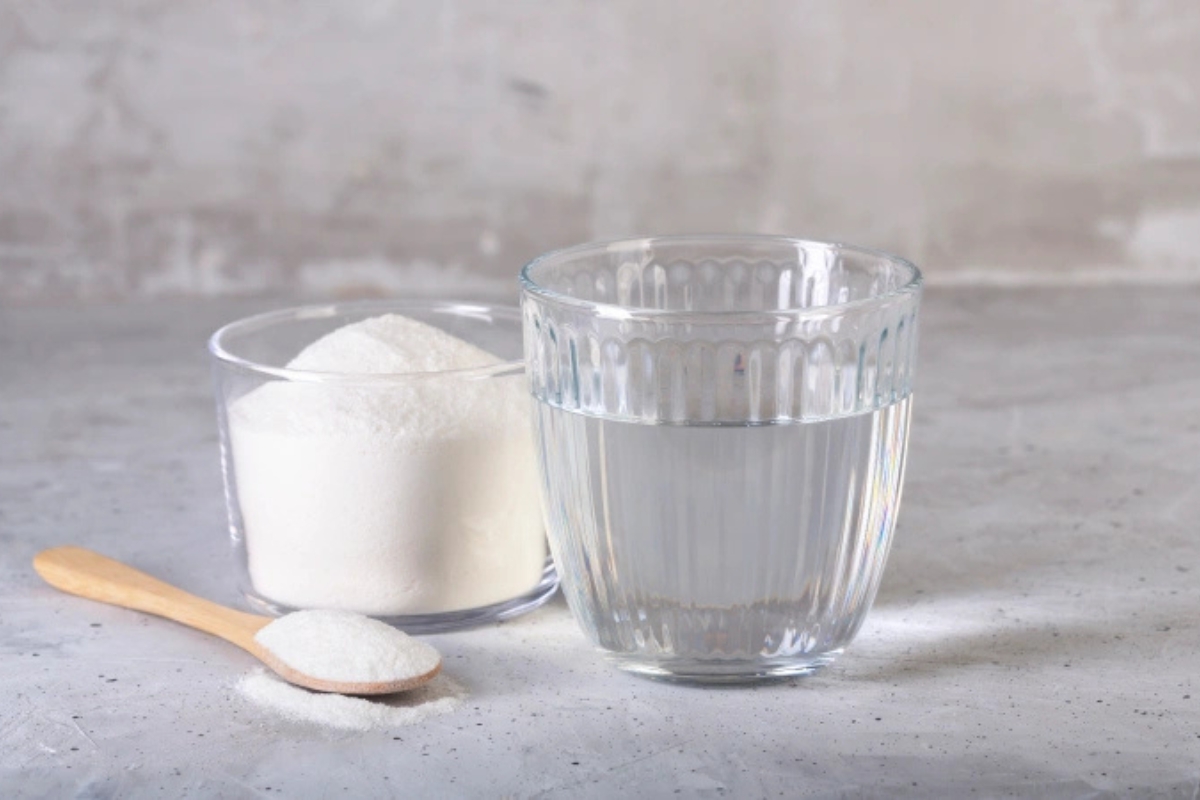
Salt water has long been regarded as a simple yet effective home remedy for soothing gum issues. Its natural antimicrobial properties help reduce harmful bacteria and inflammation in the mouth, making it a go-to solution for those experiencing gum discomfort. But when it comes to periodontal disease, how effective is salt water really? Let’s explore the benefits, limitations, and the right way to use it for healthier gums.
Benefits of Salt Water for Gum Health
Natural Antibacterial Properties
Salt water works as a gentle disinfectant, helping minimize the bacteria responsible for gum infections and bad breath. Regular rinsing can create a cleaner environment for your gums and teeth.
Soothes Swelling and Irritation
If your gums feel sore or tender, salt water can help calm the inflammation. Its anti-inflammatory effects make it ideal for reducing discomfort and promoting a soothing sensation in the mouth.
Encourages Healing
Minor gum injuries, such as irritation from brushing or dental procedures, can heal faster with regular salt water rinses. The saline solution helps balance oral pH and supports tissue recovery.
Budget-Friendly Option
Unlike many commercial mouthwashes, salt water is inexpensive and easy to make at home, making it a practical addition to your oral care routine.
Convenient to Use
All it takes is water and a small amount of salt. You can easily prepare the rinse anytime, making it a quick solution for maintaining gum comfort and hygiene.
Limitations of Salt Water
Not Effective for Advanced Periodontal Disease
While salt water can help manage mild gum inflammation, it cannot treat advanced periodontitis. Deep gum infections require professional care such as scaling, root planing, or other periodontal treatments.
Temporary Relief Only
Salt water can ease symptoms like swelling and bleeding gums, but it doesn’t address the root cause of periodontal disease. Consistent dental care and checkups are still essential.
Overuse Can Cause Dryness
Too much salt or frequent rinsing can irritate oral tissues or lead to dryness, which may worsen gum sensitivity. Moderation is key.
Not a Replacement for Dental Treatment
Salt water rinses can complement professional care but should never replace it. Regular visits to your dentist are vital to preventing disease progression.
Limited Scope
While helpful for gums, salt water doesn’t remove plaque or prevent cavities. A complete oral hygiene routine — brushing, flossing, and professional cleanings — remains essential.
How to Make and Use a Salt Water Rinse
Ingredients:
- 8 oz (about 240 ml) of warm water
- ½ to 1 teaspoon of non-iodized salt
Instructions:
- Pour warm water into a clean glass.
- Add salt and stir until fully dissolved.
- Swish the mixture around your mouth for 30 seconds to 1 minute, reaching between teeth and along the gumline.
- Spit it out — do not swallow.
- Repeat 2–3 times daily, preferably after brushing.
Be cautious not to use an overly salty mixture or rinse too often, as it may irritate your gums.
Final Thoughts
While salt water rinses can offer relief from gum inflammation and promote healing, they are not a standalone treatment for periodontal disease. They work best as a supportive measure alongside consistent oral hygiene practices and regular dental visits. As emphasized by dentist Mesa, combining salt water rinses with daily brushing, flossing, and professional periodontal care ensures stronger gums and lasting oral health. Take charge of your smile today — visit Brown Road Dental for personalized gum care and experience the benefits of a truly healthy mouth.