
Removing A Nerve From A Tooth: A Mesa Dentist’s Guide
Book Online

Persistent tooth pain or sensitivity often points to deeper issues within the tooth. In many cases, this is caused by infection or damage to the inner pulp, where the nerve is located. Removing the affected inner tissue is a standard dental procedure for stopping the discomfort, preventing further complications, and restoring oral health. Understanding what this involves can help you make informed decisions about your treatment options.
What Is Nerve Removal From A Tooth?
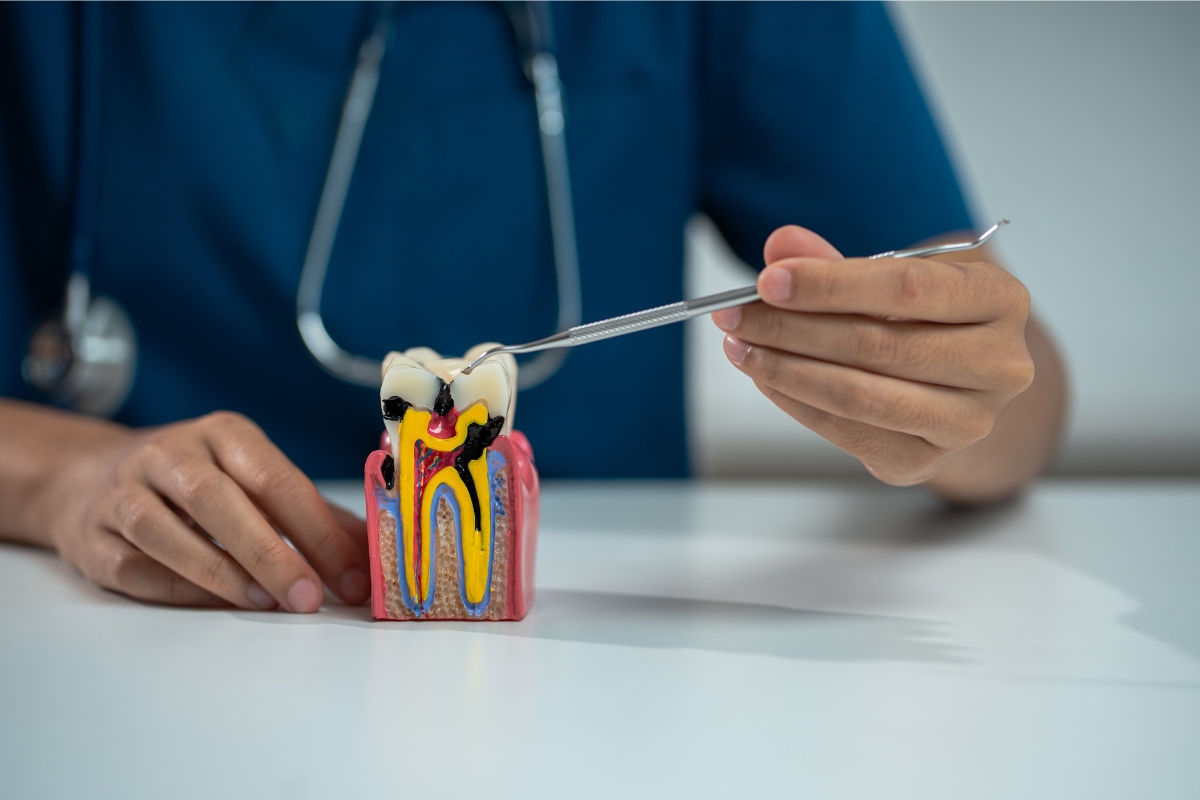
When a tooth becomes severely infected or damaged, the nerve within the tooth may be affected, causing intense pain. In such cases, removing the inner tissue, also known as performing a root canal, becomes essential. The tooth pulp, located in the tooth’s pulp, supplies it with nutrients and helps with sensation. If it becomes infected due to deep decay, trauma, or cracks, the infection can spread and cause an abscess.
A dentist in Mesa suggests removing them from the tooth, which relieves the ache and helps to preserve the oral structure. This procedure allows the tooth to remain functional without causing further discomfort.
How Is The Tooth Pulp Removed?
The process of removing an inner tissue is straightforward and typically involves the following steps:
- Assessment: A specialist will first assess the tooth to determine the extent of the infection or damage.
- Anesthesia: A local anesthetic is applied to numb the area, ensuring you feel no distress during the procedure.
- Accessing The Tooth: A small hole is created in the tooth to access the infected nerve and pulp.
- Tooth Pulp Removal: The infected tissue is carefully removed from inside the tooth.
- Cleaning And Shaping: A tooth doctor cleans the inside of the tooth and shapes the space to ensure it is infection-free.
- Sealing The Tooth: Once removed, the tooth is sealed to prevent future infections.
Why Is Nerve Resection Necessary For Optimal Oral Health?
The necessity of removing a tooth’s soft inner layer stems from infection or damage to the pulp. If left untreated, the disease can spread to surrounding tissues, causing an abscess. This can result in severe distress, swelling, and even tooth loss.
Removing it not only alleviates the ache but also prevents the infection from worsening, protecting the rest of the mouth from further damage.
Patients may sometimes experience prolonged pain or sensitivity to hot and cold, which can be resolved through this procedure. A root canal is often the best way to save a tooth that would otherwise need to be extracted.
What Happens After Vital Tissue Removal?
After the procedure, your tooth may feel tender, but the discomfort will subside as the area heals. Your dentist may recommend over-the-counter pain relievers to manage any discomfort. The healing process takes a few days, and you can resume regular activities shortly after the treatment.
The dental care provider may also suggest placing a crown on the tooth to ensure it remains strong and protected from damage. The crown also restores the tooth’s natural appearance, making it blend in seamlessly with the rest of your smile.
The Importance Of Seeing A Dentist For Neurectomy Treatment
Visiting a qualified professional is crucial when dealing with tooth nerve issues. A skilled dentist in Mesa can determine the best course of action based on your situation. They can assess the extent of damage, provide the appropriate treatment, and ensure that the tooth remains functional and free from infection.
Endodontic treatment is highly effective at treating central tissue issues, and having it performed by a professional ensures the best results. It is essential to take action when you experience symptoms such as discomfort, swelling, or sensitivity.
The sooner you seek treatment, the better the chances of preserving your tooth.
Relief From Pain Starts With Professional Help
The nerve resection procedure is often the most effective solution to stop the ache, prevent infection, and preserve the natural tooth. When performed with precision and care, the procedure restores function and protects long-term oral health. Modern techniques make the process smooth and comfortable, giving you a clear path to recovery. If you are experiencing persistent discomfort, schedule an appointment today for pain-free neurectomy treatment with lasting relief and a healthier smile.