
6 Ways to Remove Coffee Stains from Your Teeth
Book Online


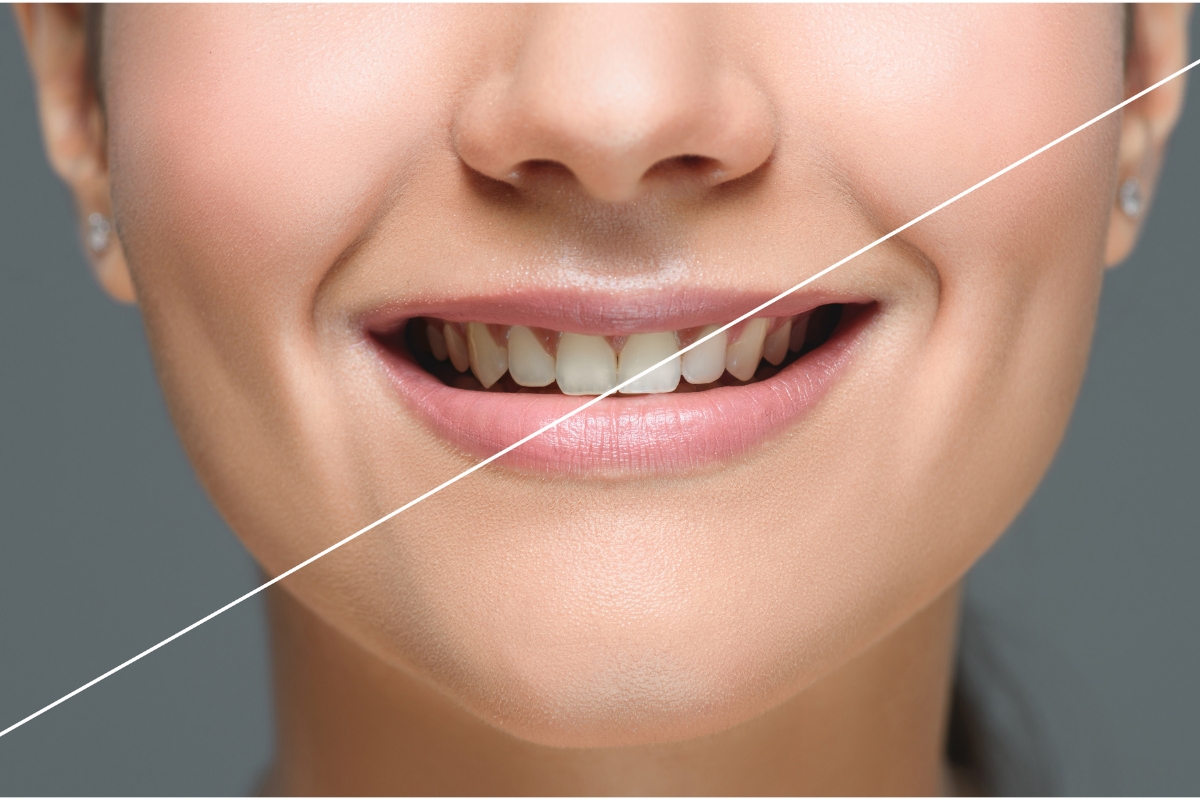
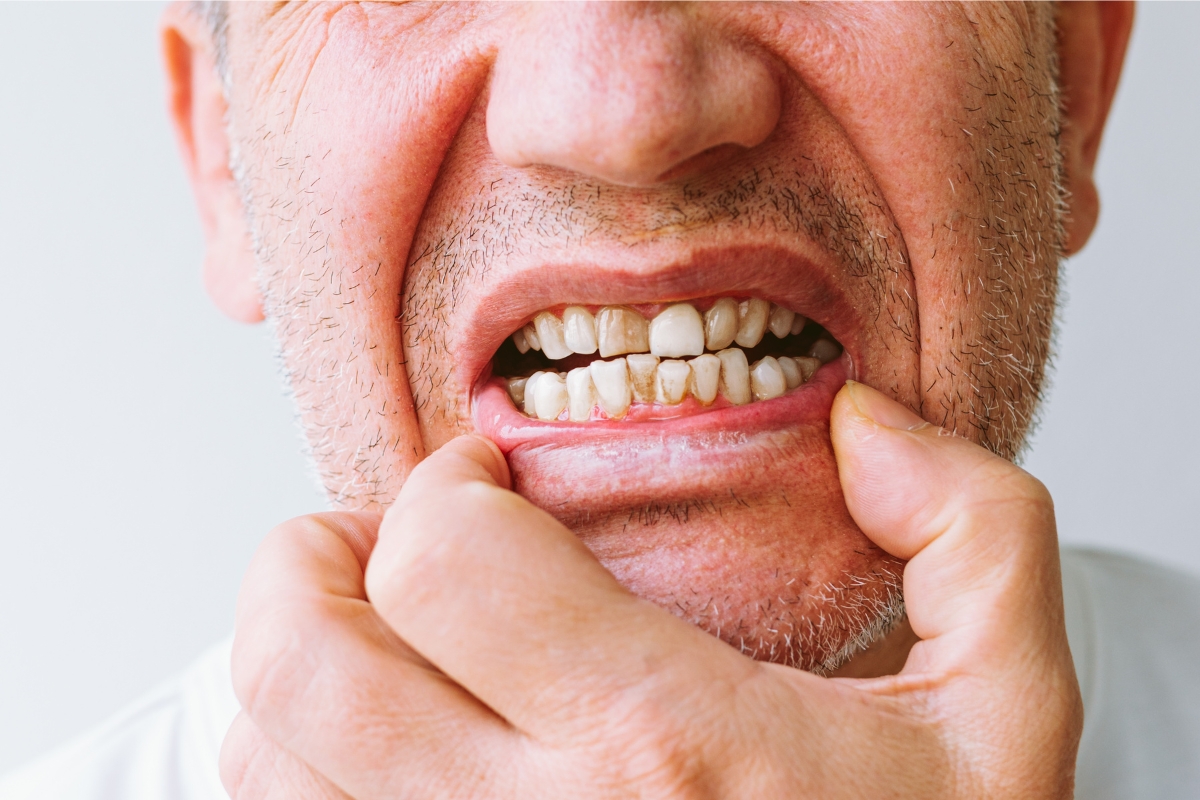
If you love your daily cup of coffee but hate the yellow stains it leaves behind, you’re not alone. Coffee contains tannins—natural compounds that cling to tooth enamel and cause discoloration over time. The good news? You don’t have to give up your favorite brew to maintain a bright smile. With the right habits, at-home solutions, and professional care, you can effectively minimize staining and restore your teeth’s natural shine. If you’re already considering a professional solution, you might even explore teeth whitening Mesa options for noticeable results.
Below are six effective, practical, and dentist-approved ways to remove coffee stains from your teeth.
Brush & Floss Consistently
The easiest (and most overlooked) way to prevent and remove coffee stains is through consistent oral hygiene. Brushing twice a day and flossing once daily helps eliminate plaque—a sticky film that absorbs pigments from beverages like coffee. When plaque is left to build up, stains set in more quickly.
Using a whitening toothpaste can boost your results. Many include mild abrasives or safe whitening agents like hydrogen peroxide that help lift surface stains. Don’t forget to brush your tongue and the inside surfaces of your teeth, too—these areas often trap residue that contributes to discoloration.
Try Baking Soda for Gentle Whitening
Baking soda has natural whitening properties and has been used for decades as a safe, mild abrasive that polishes away surface stains. You can create a simple paste using one teaspoon of baking soda and a few drops of water. Brush with this mixture for about 1–2 minutes.
However, moderation is crucial. Overuse can erode enamel because of its abrasive nature. Use this method only once or twice a week, and always follow with fluoride toothpaste to strengthen your enamel.
Rinse With Apple Cider Vinegar
Apple cider vinegar (ACV) is acidic enough to break down some types of stains, making it a popular natural remedy. Mix one tablespoon of ACV with a cup of warm water and swish for 20–30 seconds. This can help dissolve residue from coffee and lighten mild discoloration.
Because ACV is acidic, always rinse with water afterward and avoid using this method daily. Too much acidity can soften enamel, leaving teeth more vulnerable to staining in the future.
Use Hydrogen Peroxide Safely
Hydrogen peroxide is a common ingredient in many whitening products. At home, you can dilute it with equal parts water and use it as a whitening rinse for one minute. It helps remove deeper stains by oxidizing discoloration on the enamel.
For even better results, some people mix hydrogen peroxide with baking soda to form a paste. If you try this, use a very small amount and limit it to once a week to avoid sensitivity or irritation. Always follow with a thorough rinse and your regular brushing routine.
Consider Professional Teeth Whitening Treatments
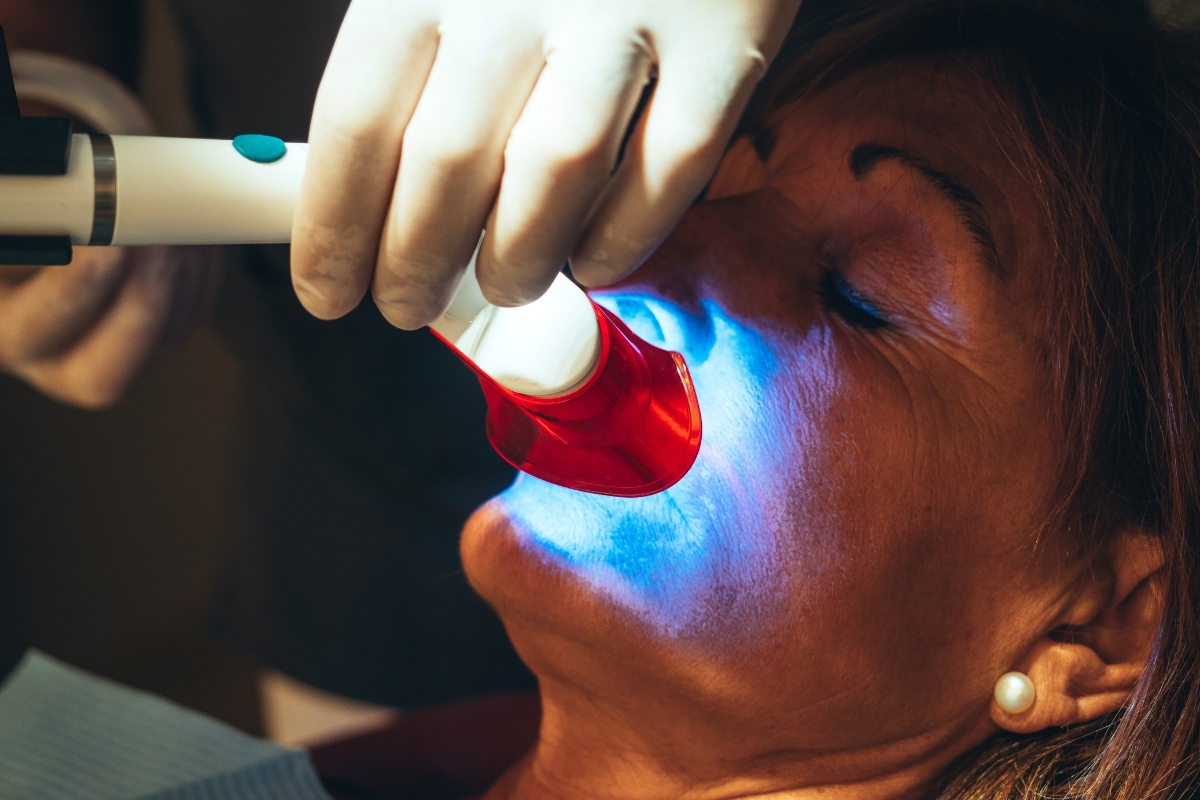
If home remedies don’t give you the brightness you want, professional whitening offers stronger, faster results. A dentist can apply high-strength whitening gels and use advanced LED or laser technology to break down stubborn stains in a single session.
These treatments are designed to lighten both surface stains and deeper discoloration that home products can’t reach. Whether you prefer in-office whitening or take-home custom trays, your dentist will tailor the plan to your needs. For individuals seeking a more dramatic transformation, a cosmetic dentist Mesa can provide options such as professional whitening, veneers, or enamel microabrasion.
Reduce Staining Foods & Drinks
Prevention is just as important as treatment. Coffee may be your main culprit, but red wine, tea, dark sodas, and berries can also stain teeth over time. You don’t need to eliminate them entirely—just be mindful of how often you consume them.
Quick prevention tips include:
- Drinking coffee through a straw to limit enamel contact
- Rinsing your mouth with water after finishing a cup
- Adding milk to your coffee to reduce staining effects
- Eating crunchy fruits and vegetables to naturally scrub the teeth
Incorporating these habits into your daily routine can significantly reduce the chances of new stains forming.
Final Thoughts
Keeping your smile bright doesn’t require giving up your morning coffee ritual. By maintaining good oral hygiene, using effective at-home whitening methods, choosing professional treatments when needed, and being mindful of your diet, you can successfully manage and reverse coffee stains. With the right approach, your teeth can regain—and maintain—their natural sparkle.
FAQs
Q. What’s the best way to prevent coffee stains?
Brush and floss daily, rinse after drinking coffee, and limit foods or drinks that darken enamel. Using a whitening toothpaste and drinking through a straw also helps reduce staining.
Q. Are store-bought whitening kits effective?
They can work for mild to moderate stains, but they’re not as powerful as professional treatments. Results vary depending on how deep the stain is and how often the product is used.
Q. How often should I use baking soda for whitening?
Limit baking soda use to once or twice per week. Overuse can wear down enamel and increase sensitivity.