
Which Whitening Option Works Best for Yellow Teeth?
Book Online

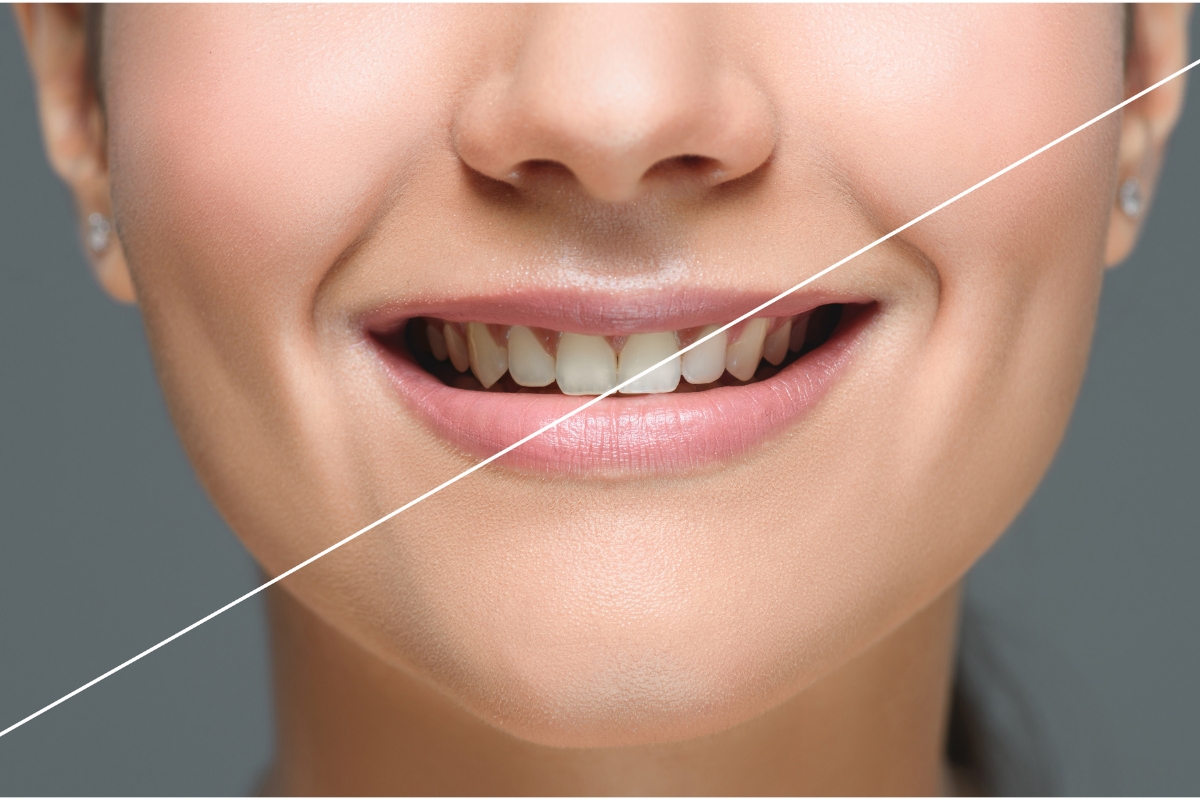
A bright smile can instantly boost confidence, but yellowing teeth often hold people back from showing it. If you’ve ever felt self-conscious about tooth discoloration, you’re not alone. According to surveys, more than 80% of adults in the U.S. wish their teeth were whiter. Whether caused by daily coffee, aging, or natural enamel stains, the good news is that modern teeth whitening solutions can help you bring back a healthier-looking smile.
Why Do Teeth Turn Yellow?
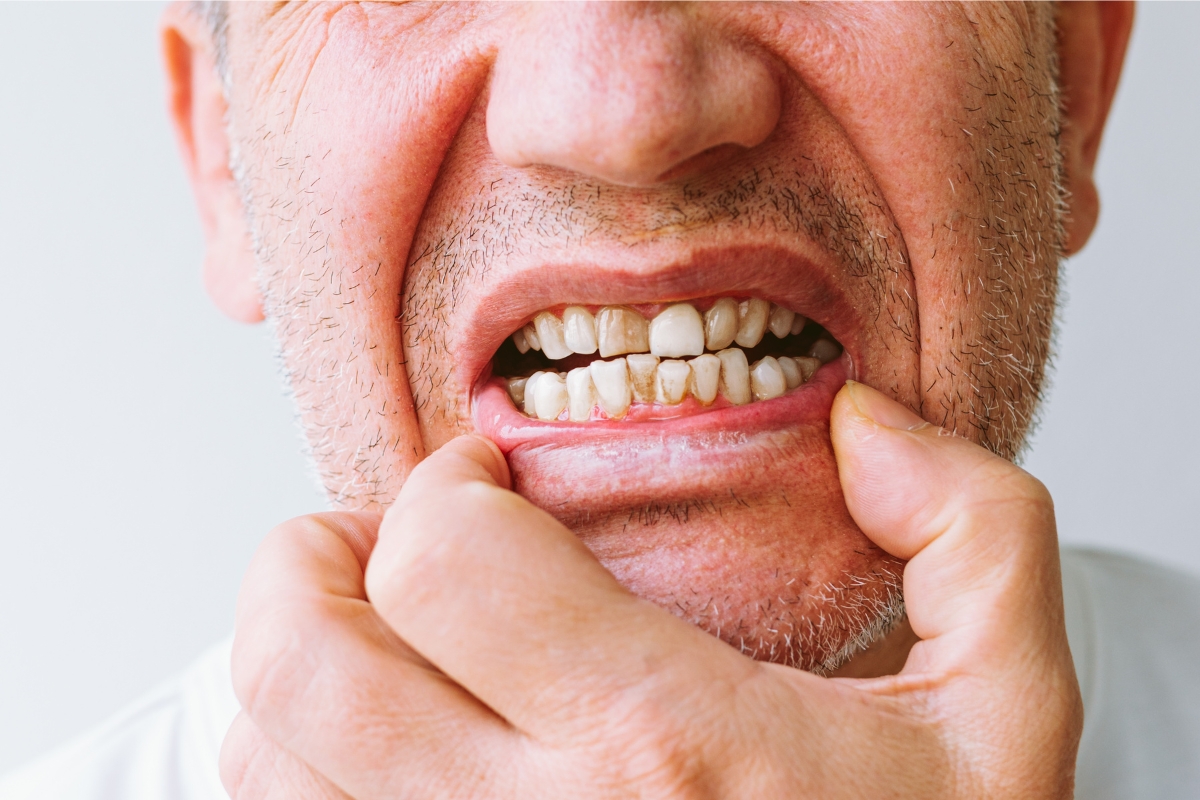
Yellowing isn’t just about appearance—it’s tied to lifestyle and biology. Some common yellowing causes include:
- Coffee, tea, red wine, and sodas leaving long-lasting stains.
- Smoking or chewing tobacco leading to deep discoloration.
- Natural aging that thins enamel, exposing the darker dentin beneath.
- Certain medications such as antibiotics or antihistamines.
- Genetic factors that make enamel naturally less bright.
Identifying the underlying reason for tooth discoloration is the first step toward choosing the right whitening method.
Whitening Options for Yellow Teeth
Not every whitening approach is designed for every situation. Some treatments address mild enamel stains, while others are more effective for long-term discoloration.
Over-the-Counter Whitening Strips and Toothpaste
For those with only mild yellowing, whitening toothpaste and strips can gradually brighten teeth. They contain lower-strength bleaching ingredients and need consistent use over time. While results tend to be subtle, they can help maintain brightness for people who don’t need a dramatic change.
Professional In-Office Whitening
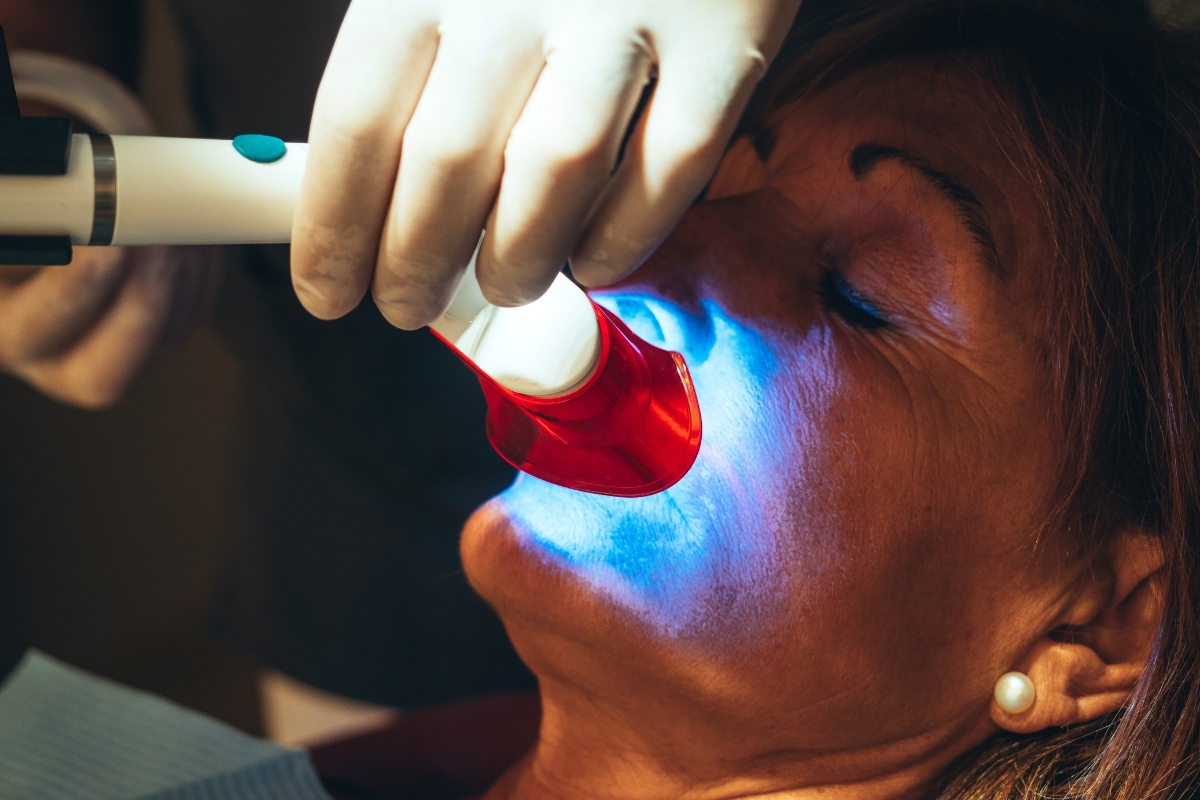
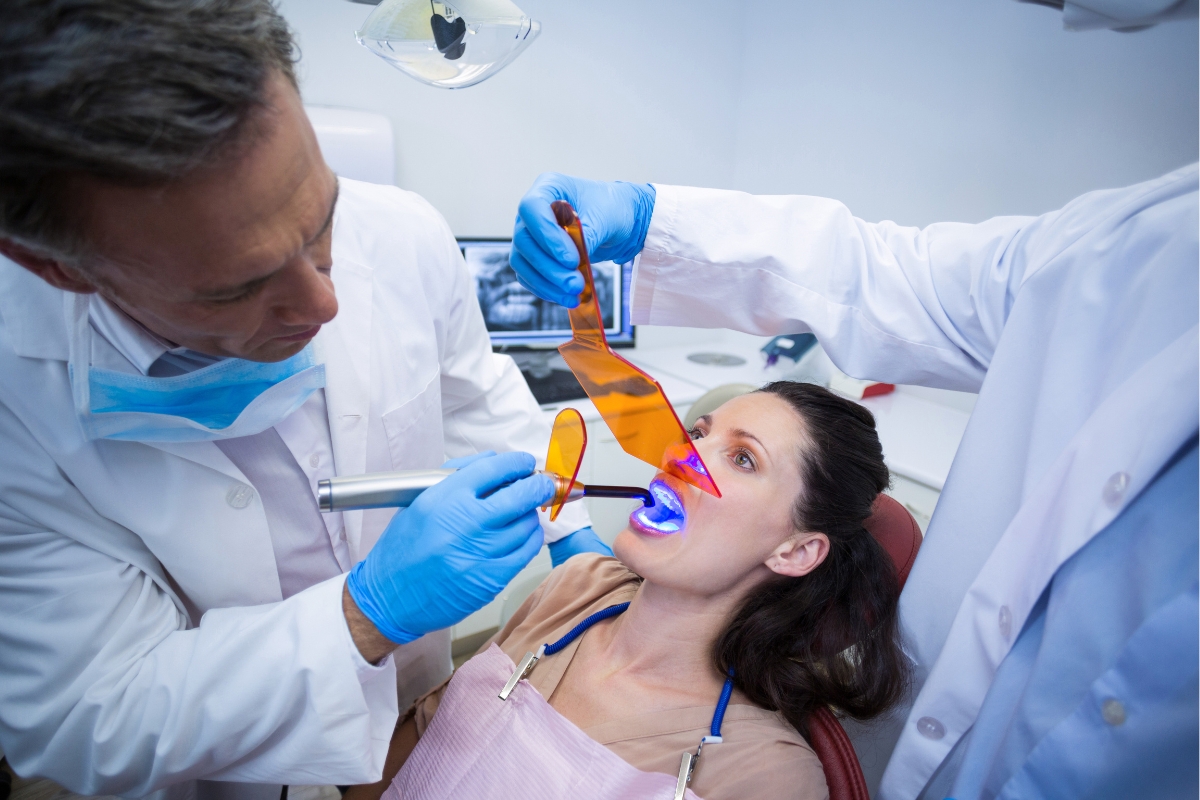
When discoloration is moderate to severe, in-office whitening is usually the fastest solution. Our Mesa dentists use stronger whitening gels, sometimes activated by light, to significantly brighten teeth in a single visit. This option is especially helpful if yellowing has built up over years of staining.
Custom Whitening Trays (Take-Home Kits)
For people who want the convenience of whitening at home but with stronger gels than drugstore brands, custom trays are often recommended. They are designed to fit your teeth precisely and deliver even results over several days or weeks. Many people choose this route to refresh their smile gradually at their own pace.
Natural and At-Home Remedies
Baking soda, diluted hydrogen peroxide rinses, and activated charcoal are popular household methods. While they may help with surface stains, their effect is limited and overuse can wear down enamel. These are best suited as occasional maintenance rather than a main whitening solution.
Which Method Is Most Effective for Yellow Teeth?
When yellowing is noticeable, professional in-office whitening typically produces the most significant results. Studies show that in-office treatments can lighten teeth by 3–8 shades in just one session, while over-the-counter products often show only 1–2 shades of improvement after several weeks.
That said, the best option depends on how severe the discoloration is, how quickly you want results, and your sensitivity to whitening products. Someone with mild stains may find toothpaste or strips helpful, while deeper discoloration usually benefits from professional treatment.
Data Insight on Whitening Effectiveness
A recent U.S. survey revealed that:
- 65% of adults reported significant improvement with in-office whitening.
- 40% achieved good results using custom take-home trays.
- Only 25% felt satisfied with drugstore whitening options.
This shows that while at-home methods have their place, professional whitening remains the most reliable choice for yellow teeth.
Preventing Tooth Discoloration After Whitening
Keeping teeth bright after treatment requires everyday care. A few simple habits make a big difference:
- Rinse with water after coffee, tea, or wine.
- Avoid smoking or chewing tobacco products.
- Brush twice daily and floss regularly.
- Schedule touch-up whitening if needed.
FAQs
Q1: Is whitening safe for enamel?
Yes, when used correctly. Professional supervision ensures safe use of bleaching agents without harming enamel.
Q2: How long do whitening results last?
Results can last anywhere from 6 months to 2 years, depending on diet, lifestyle, and oral care.
Q3: Can all stains be removed?
Surface stains respond well, but deeper discoloration from medications or trauma may need veneers or bonding.
Q4: What if I have sensitive teeth?
Professionals can adjust treatment strength, and desensitizing gels may help manage sensitivity.
Final Thoughts
Yellow teeth don’t just affect appearance—they can influence self-esteem and how often you smile. With a range of whitening options available, there’s a treatment for nearly every type of discoloration. Whether you choose gradual whitening at home or faster in-office treatments, the goal is to find what works best for your lifestyle and enamel health.
If you’re ready to restore brightness and feel more confident about your smile, now is the perfect time to take action. Schedule an appointment today and take the first step toward a brighter, more confident you.