

What To Eat After A Tooth Extraction?
Book Online

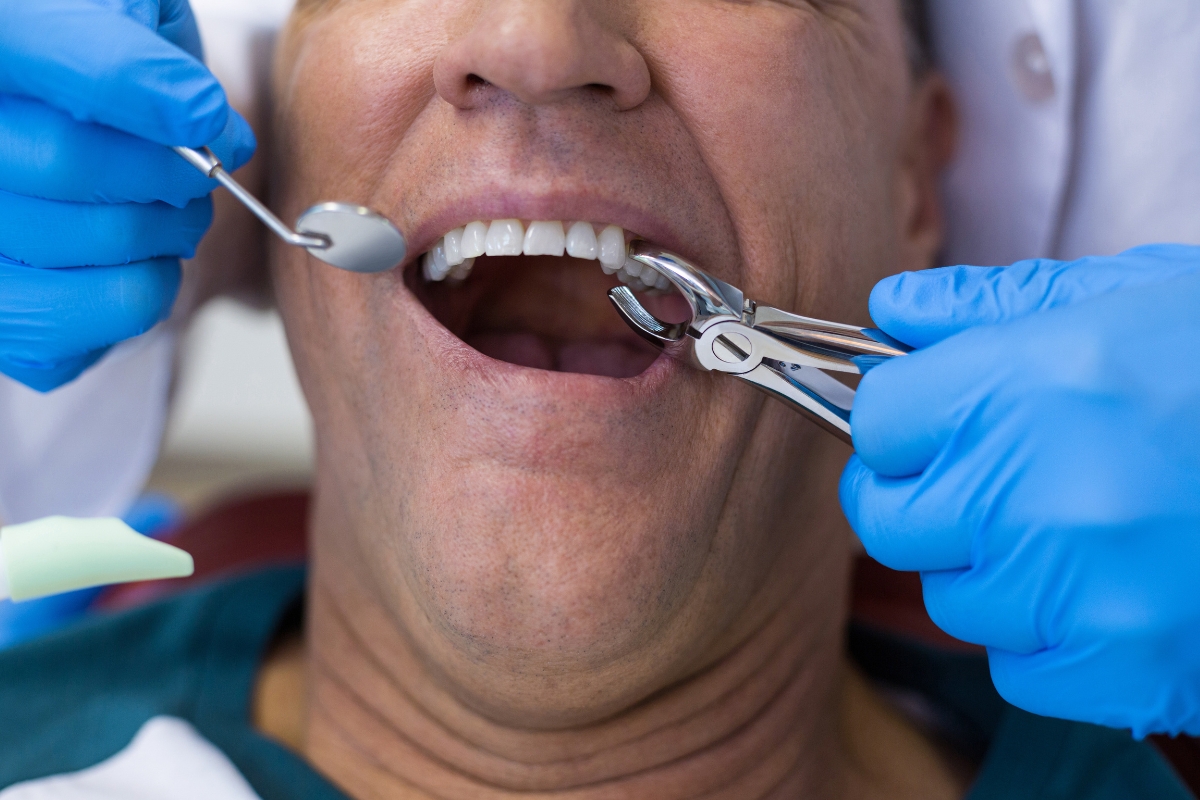
Undergoing a tooth extraction can be an uncomfortable experience, and knowing what to eat afterward plays a crucial role in your healing process. If you recently had a tooth removed, you might wonder which foods will aid your recovery and which to avoid. Don’t stress about it! We have chalked out a well-detailed dietary plan to help you enjoy meals without complications.
Why Your Diet Matters After Tooth Removal?
After a tooth extraction, your mouth needs time to heal. The site where the tooth was removed is delicate and susceptible to irritation or infection. Choosing the right foods helps avoid complications such as dry socket or excessive bleeding. To support healing, you should consume soft, nutritious foods that do not require much chewing and do not disrupt the clot formed in the oral surgery site. Curious about what foods make the best choices? Let’s explore them in detail.
Soft And Nutritious Foods To Eat During The First 24 To 48 Hours
Immediately after the surgery, focus on soft foods that provide energy and essential nutrients while being gentle on your mouth. Here are some of the best options:
Smoothies And Protein Shakes
Blended drinks are excellent because they do not require chewing. To maintain your energy levels, you can include nutrient-rich fruits, yogurt, and protein powders. Avoid using straws to prevent dislodging the blood clot at the surgical site.
Mashed Potatoes And Cooked Vegetables
Soft, mashed potatoes are comforting and easy to eat. You can also enjoy well-cooked vegetables like carrots or zucchini mashed until smooth, which provides vitamins and minerals essential for healing.
Scrambled Eggs
Eggs are a great source of protein and very easy to chew. Scrambled eggs are soft, quick to prepare, and gentle on your gums.
Yogurt And Cottage Cheese
These dairy options offer probiotics and protein, promoting a healthy immune response and quick recovery.
Oatmeal Or Cream Of Wheat
Warm cereals are soothing and easy to swallow. However, they should not be too hot, as heat can irritate the healing site.
Foods And Drinks To Avoid After Tooth Extraction
To protect the healing process, certain foods and drinks should be avoided in the days following the procedure:
- Hard, Crunchy, Or Chewy Foods: Foods like nuts, chips, and tough meats require excessive chewing and can irritate the oral surgery area or even cause injury.
- Spicy And Acidic Foods: Spices and acidic foods such as citrus fruits or tomato-based sauces may cause discomfort or inflammation around the dental surgical extraction site.
- Hot Beverages: Coffee, tea, and hot soups should be consumed only after they cool down, as heat can increase swelling and pain.
- Carbonated And Alcoholic Drinks: Bubbles from sodas can interfere with healing, and alcohol can slow down the immune system’s ability to fight infection.
- Sticky And Sugary Foods: Sticky candies and sweets can get trapped in the socket, leading to infection or irritation.
Expert-Approved Tips To Enhance Healing Through Your Diet
Along with a proper diet, you must also know how to manage your eating habits and oral care. Following simple tips can significantly improve your healing experience and help prevent complications. Keep these essential guidelines in mind as you navigate your recovery period.
- Stay Hydrated: Drink plenty of water to help flush out toxins and keep your mouth moist. Hydration is key in supporting tissue repair.
- Eat Small, Frequent Meals: Instead of three large meals, opt for smaller portions spread throughout the day to avoid stressing the clot.
- Avoid Using Straws: Sucking can dislodge the blood clot, delaying healing and causing pain known as dry socket.
- Maintain Oral Hygiene Gently: Brush your teeth carefully and rinse with salt water after 24 hours to keep the area clean without disturbing the healing tissue.
When Can I Return To My Normal Diet?
After a few days, you can slowly introduce more variety. Start with soft pasta, oatmeal, and ripe bananas. With time, slowly move toward slightly firmer textures like soft-cooked vegetables or tender chicken. Listen to your body, chew carefully, and stop if you feel discomfort. Every recovery timeline is different, so go at your own pace.
Visit Our Clinic For Guidance!
What you eat after an extraction significantly impacts your recovery phase. Choosing soft, nutritious meals and avoiding irritating foods can speed up healing and make you feel more comfortable. Remember, every mouth heals at a different pace, so pay attention to how your body responds. If you ever feel unsure about what to eat, we can help! Schedule an appointment for personalized advice and professional care. Matching your lifestyle and dietary choices, we can recommend the best for you. Call now.