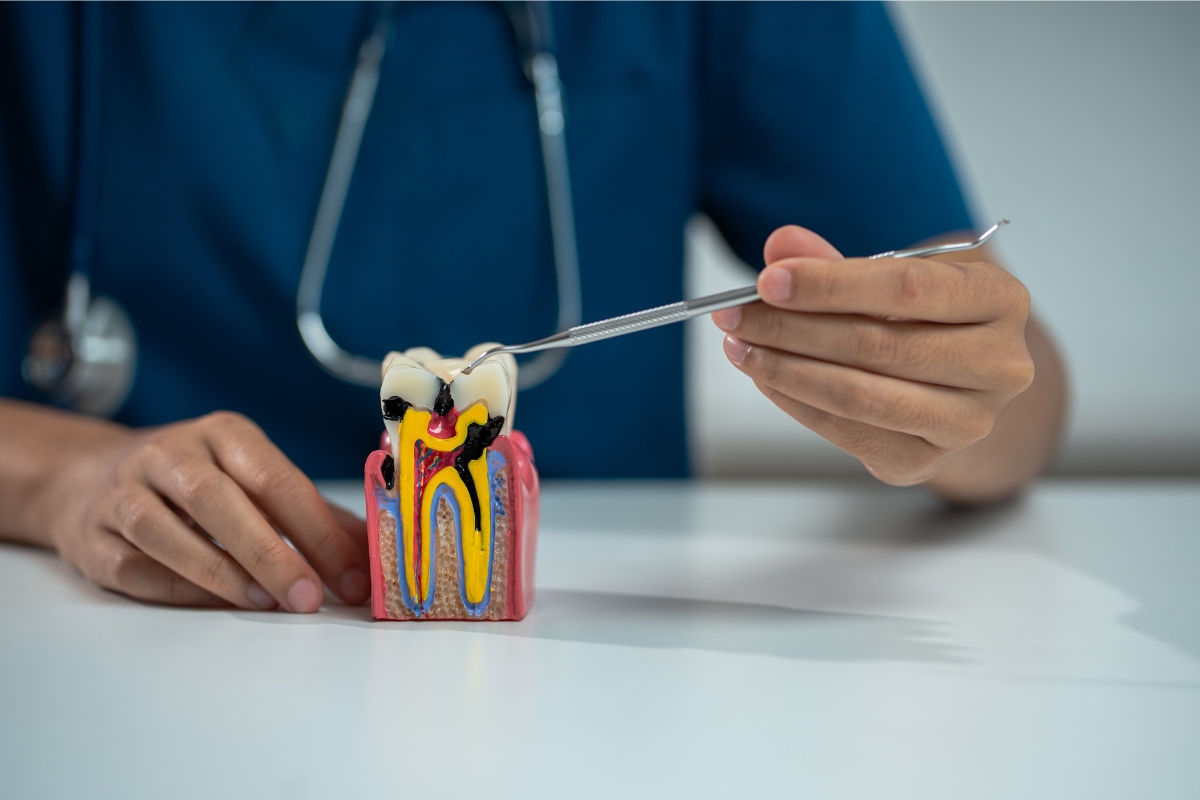

Does the Tooth Pain Increase Days After Root Canal Therapy?
Book Online

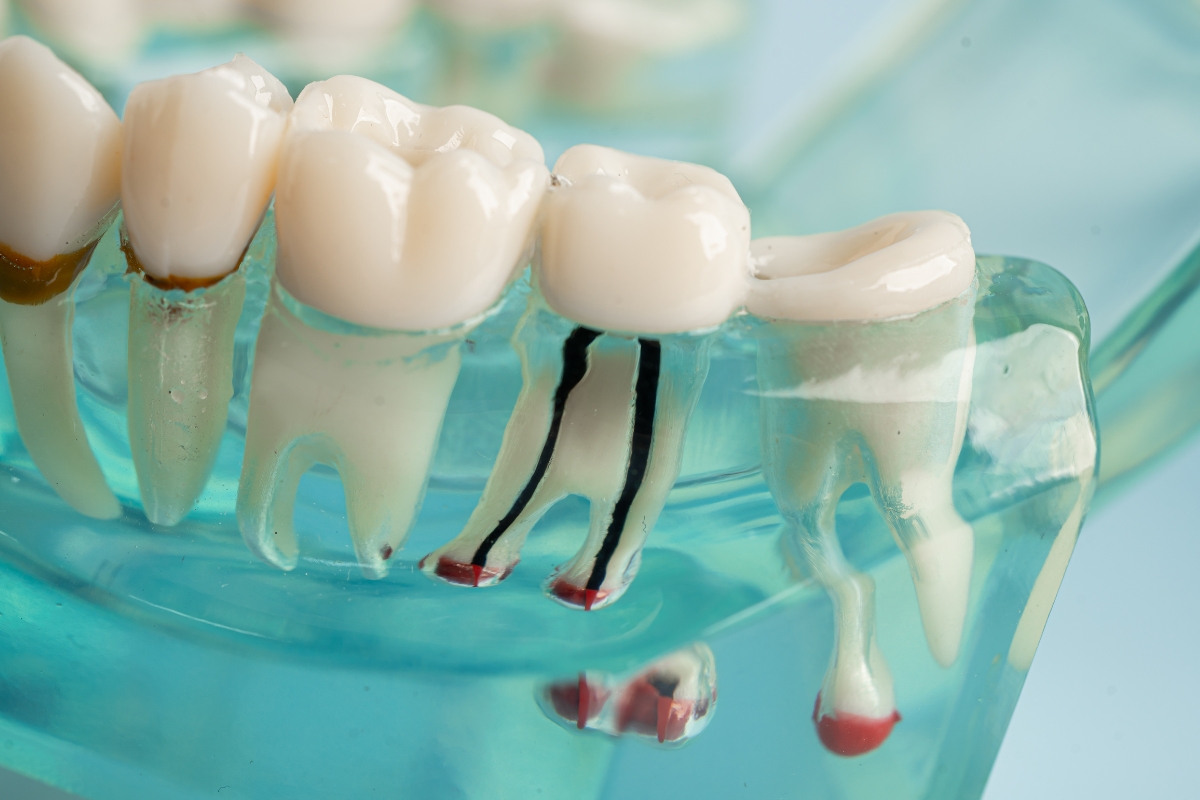
Root canal treatment is a widely used dental procedure designed to remove infection and preserve a natural tooth. While it plays a vital role in protecting long-term oral health, some patients notice discomfort after the procedure and wonder whether tooth pain can actually increase days later. Understanding what’s normal—and what’s not—can help reduce anxiety and ensure timely care if needed.
It’s common to feel tenderness or sensitivity once the numbness wears off. This usually happens because the tissues around the treated tooth are healing after being cleaned and sealed. In most cases, the discomfort gradually improves within a few days. However, when pain seems to intensify instead of fade, it often raises concerns.
Many patients undergoing root canal therapy in Mesa ask whether lingering or delayed pain means something went wrong. In reality, mild soreness a few days after treatment can still fall within the normal healing window. The tooth and surrounding ligaments may remain inflamed as your body recovers, especially if the infection was severe before treatment.
That said, pain that increases several days after a procedure should not be ignored. While healing takes time, worsening discomfort can point to underlying issues that need professional attention. Knowing the possible causes can help you decide when to monitor symptoms and when to call your dental provider.
What Causes Pain After a Root Canal?
Post-treatment pain is usually linked to inflammation. During the procedure, the dentist cleans the inner canals of the tooth, which can irritate nearby tissues. This irritation typically settles on its own, but certain factors may prolong or intensify the pain.
Incomplete Cleaning or Filling
If any infected tissue remains inside the canal or the filling does not fully seal the space, bacteria may continue to cause irritation. This can lead to discomfort that becomes noticeable days after the procedure rather than immediately.
Irritated Nerves or Surrounding Tissue
The ligaments that hold the tooth in place may be sore following treatment. Biting or chewing too soon can aggravate these tissues, making the pain feel worse a few days later.
Bite or Crown Issues
If a temporary or permanent crown sits too high, it can place excess pressure on the treated tooth. This pressure may cause pain when chewing and can worsen over time if not adjusted.
When Is Post-Root Canal Pain a Concern?
While mild discomfort is expected, certain symptoms signal the need for prompt care. A trusted Mesa dentist should be contacted if pain becomes sharp, persistent, or disruptive to daily activities. Dental pain that interferes with sleep or eating is not something to ignore.
Other warning signs include swelling around the tooth, tenderness that spreads to the jaw or face, or a fever. These symptoms may indicate infection or complications that require further treatment to protect the tooth and surrounding structures.
How to Manage Discomfort After Treatment
For typical post-treatment soreness, simple steps can help ease discomfort. Applying a cold compress to the outside of the cheek may reduce inflammation. Over-the-counter pain relievers can also help, as long as they are taken according to instructions and approved by your dentist.
Eating soft foods and avoiding chewing on the treated side for a few days can prevent unnecessary pressure on the healing tooth. Maintaining good oral hygiene is also important—gentle brushing and flossing help keep the area clean without disturbing the healing process.
The Importance of Follow-Up Care
Even when symptoms seem mild, follow-up visits matter. A dentist can evaluate healing progress, adjust a crown if needed, and ensure the tooth is properly sealed. Timely follow-up care often prevents minor discomfort from turning into a larger issue.
Paying attention to changes in pain levels helps protect the success of your root canal treatment. When in doubt, it’s always better to ask questions and have the tooth examined rather than waiting for symptoms to worsen.
Frequently Asked Questions
Does tooth pain normally increase days after a root canal?
Mild soreness can linger for a few days, but increasing pain is not typical and should be evaluated by a dentist.
How long does post-root canal discomfort usually last?
Most patients feel better within a few days to a week. Pain that lasts longer or worsens may indicate a problem.
Can chewing cause pain after a root canal?
Yes. Biting pressure can irritate healing tissues, especially if the bite or crown needs adjustment.
What symptoms mean I should call a dentist?
Severe pain, swelling, fever, or pain that continues to intensify are all reasons to seek dental care promptly.
Is it possible for a root canal to fail?
While root canal treatment has a high success rate, untreated infection or improper sealing can cause complications that require further treatment.
If you’re experiencing discomfort after a root canal or have concerns about your recovery, the best next step is to schedule an appointment with your dentist for a thorough evaluation and personalized guidance.