
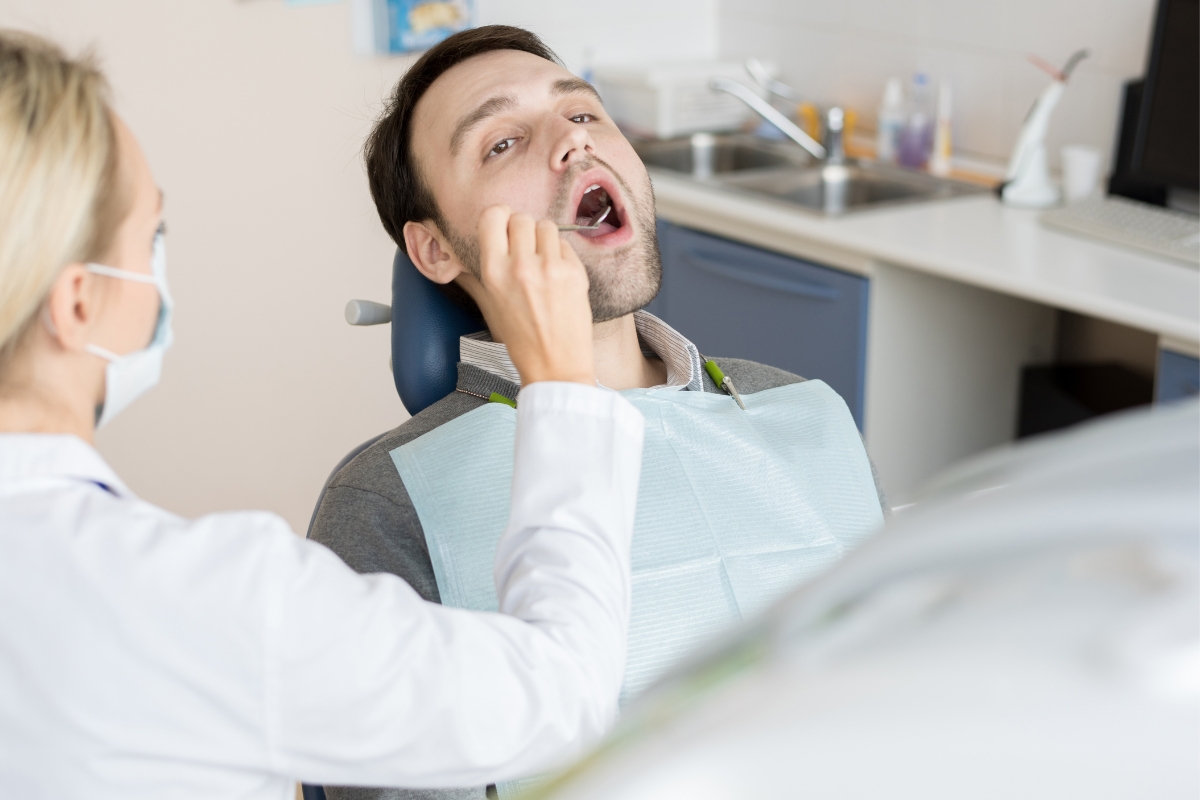
When people think about gum disease, they usually blame poor brushing or skipping dental visits. While plaque and harmful bacteria are the leading causes of periodontal disease, they’re not the only factors that can affect your gum health. The way your teeth come together when you bite and chew also plays an important role. If too much pressure is placed on certain teeth over time, it can put stress on the tissues that support them.
This condition is known as occlusal trauma. Although it doesn’t cause a bacterial infection, it can weaken the structures that hold your teeth in place. If gum disease is already present, this extra pressure may speed up the damage. Knowing how occlusal trauma and periodontal disease are connected can help you take the right steps to protect your smile.
Occlusal trauma develops when the forces created during biting or grinding are greater than what your teeth, gums, and jawbone can comfortably handle. It may happen because of teeth grinding, jaw clenching, an uneven bite, missing teeth, or dental work that no longer fits correctly. These forces don’t always cause immediate pain, but they can slowly affect the health of your supporting tissues.
If you have noticed sore teeth, jaw discomfort, or changes in the way your bite feels, visiting a dentist Mesa patients rely on is a smart decision. A thorough dental examination can identify bite problems before they begin affecting your gums and the bone that supports your teeth.
Can Occlusal Trauma Actually Cause Periodontal Disease?
The short answer is no. Periodontal disease begins when bacteria collect around the teeth and gums, causing inflammation and infection. Without bacteria, gum disease cannot develop.
However, that doesn’t mean occlusal trauma should be ignored. When excessive biting pressure is combined with plaque buildup, it can make an existing periodontal problem much worse. The supporting tissues are already inflamed from infection, and additional stress makes it harder for them to stay healthy and recover.
Think of it like repeatedly walking on an injured ankle. The injury didn’t happen because you walked on it, but continuing to place pressure on it can delay healing and make the condition worse. The same idea applies to teeth and gums that are already affected by periodontal disease.
How Can Occlusal Trauma Affect Your Gums?
When excessive pressure continues over months or even years, several changes may occur around the affected teeth.
The periodontal ligament, which acts like a cushion between the tooth and bone, can become overstressed. The surrounding bone may begin to remodel in response to the extra force, and teeth can gradually become more mobile. At the same time, inflamed gum tissue has a harder time healing if it is constantly being irritated during chewing or grinding.
A dentist Mesa families trust will often check for uneven bite patterns during routine exams because correcting these problems early may help reduce unnecessary stress on the supporting tissues. While treating the bite alone won’t eliminate gum disease, it can become an important part of an overall periodontal treatment plan.
Common Signs of Occlusal Trauma
Many people don’t realize they have occlusal trauma because the symptoms often appear gradually. Some of the most common warning signs include:
- Pain or tenderness while chewing
- Teeth that feel loose or shift slightly
- Frequent jaw soreness or muscle fatigue
- Worn, flattened, or chipped teeth
- Tooth sensitivity without obvious decay
- Receding gums around specific teeth
- Morning headaches caused by nighttime grinding
- Clicking or discomfort in the jaw joint
If you notice any of these symptoms, it’s worth having your bite evaluated before the problem becomes more serious.
Who Is More at Risk?
Occlusal trauma can affect anyone, but certain conditions increase the likelihood of developing it, including:
- Teeth grinding during sleep
- Habitual jaw clenching
- Crooked or crowded teeth
- Missing teeth that change your bite
- Old crowns or fillings that no longer fit properly
- Bite changes following dental injuries
Because these issues often develop gradually, regular dental checkups remain one of the best ways to detect them early.
How Is Occlusal Trauma Treated?
Treatment depends on the cause of the excessive pressure. Your dentist may recommend one or more solutions to restore balance to your bite and protect your gums.
These may include:
- A custom-made night guard to reduce grinding damage
- Minor bite adjustments to distribute chewing forces evenly
- Replacing worn or poorly fitting restorations
- Orthodontic treatment for significant bite misalignment
- Replacing missing teeth to improve bite balance
- Maintaining excellent brushing and flossing habits
- Regular professional cleanings to control plaque and gum inflammation
When bite-related problems and periodontal disease are managed together, the long-term outlook for your oral health is much better.
Final Thoughts
Occlusal trauma does not directly cause periodontal disease, but it can make existing gum problems more difficult to control. Excessive pressure weakens the tissues that support your teeth, allowing inflammation and bone loss to progress more easily when bacteria are present. The good news is that early diagnosis and proper treatment can reduce these risks and help preserve your natural smile.
If you’ve been experiencing jaw pain, loose teeth, tooth sensitivity, or signs of grinding, don’t ignore the symptoms. Schedule an appointment with Brown Road Dental in Mesa, AZ, today to have your bite and gum health evaluated and keep your smile healthy for years to come.
Frequently Asked Questions
Can occlusal trauma happen without gum disease?
Yes. Excessive biting pressure can damage the supporting tissues around teeth even if your gums are otherwise healthy. However, it does not cause periodontal disease on its own.
Does teeth grinding increase the risk of occlusal trauma?
Yes. Grinding and clenching place repeated pressure on your teeth and supporting structures, making them one of the most common causes of occlusal trauma.
Will treating my bite cure periodontal disease?
No. Gum disease requires treatment to remove bacterial infection. Correcting bite problems helps reduce additional stress but is only one part of comprehensive periodontal care.
How can I tell if my bite is causing problems?
Persistent jaw pain, loose teeth, tooth sensitivity, uneven tooth wear, or discomfort while chewing are all signs that your bite should be evaluated.
Can a night guard protect my teeth?
Yes. A custom-made night guard helps absorb the forces created by grinding and clenching, reducing damage to your teeth and supporting tissues.
How often should I have my bite checked?
Your bite should be evaluated during routine dental exams, especially if you grind your teeth, have undergone major dental treatment, or notice changes in your chewing pattern.