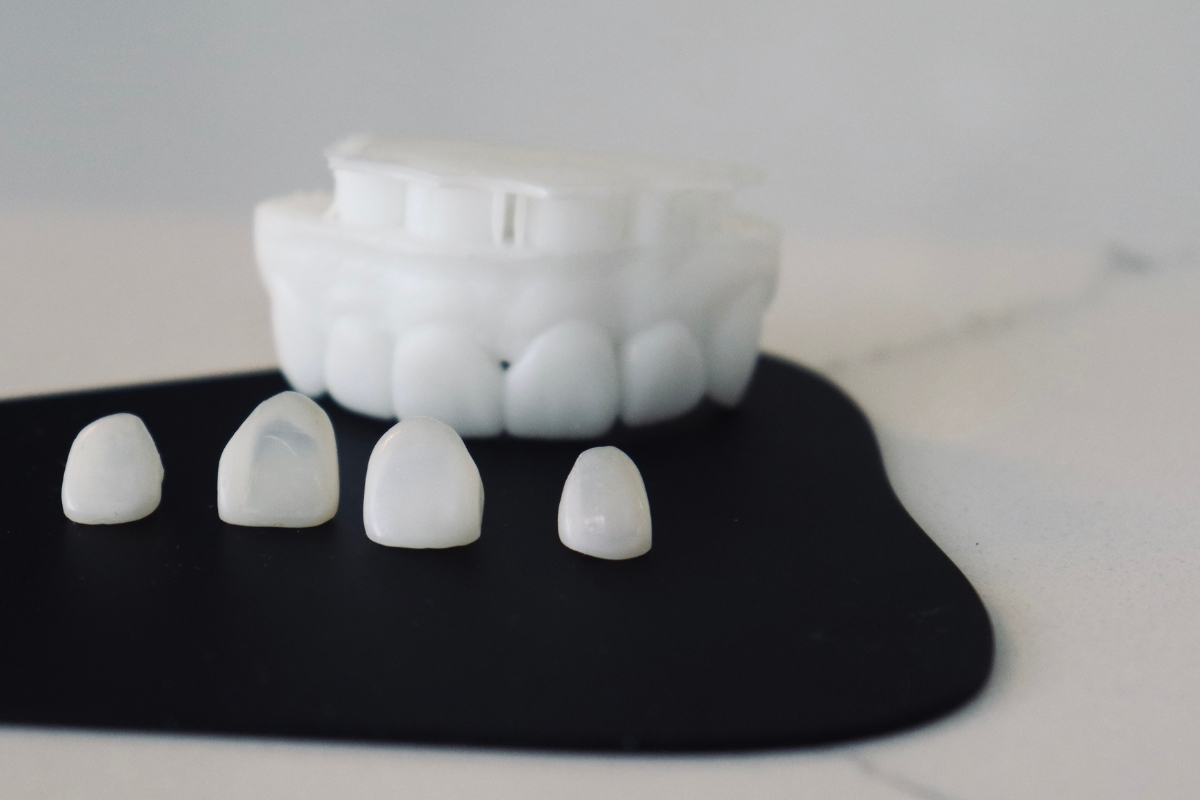

A dental crown is designed to protect a weakened tooth, restore its shape, and help you chew comfortably. However, you may notice a small space developing where the crown meets your gum tissue. While this change might not cause immediate discomfort, it is worth paying attention to. A gap around a crown can sometimes indicate changes in your gums, problems with the crown’s fit, or an underlying dental concern.
When a space develops near the gumline, food particles and plaque can collect around the area, making it harder to keep clean. Over time, this buildup may contribute to gum irritation, bad breath, or tooth decay if the underlying problem is not addressed. Not every visible space signals a serious issue, but knowing what is causing it can help you determine the next steps.
Dental crowns are made to withstand everyday chewing, but they still require regular care and monitoring. Changes in gum tissue or the condition of the tooth underneath can affect how the crown looks and feels over time. Recognizing these changes early can help you protect your natural tooth and avoid more complicated dental treatment.
If you have noticed a gap around your crown, visiting a Mesa dentist can help you identify the cause and explore suitable treatment options. A dental professional can examine the crown, assess your gum health, and determine whether the space needs to be treated or simply monitored.
What Causes a Gap Between a Dental Crown and the Gums?
A space between a crown and the surrounding gum tissue can develop for several reasons. Identifying the cause is important because the right treatment depends on whether the issue involves the gums, the crown, or the tooth beneath it.
Gum Recession
Gum recession occurs when the gum tissue gradually pulls away from the tooth, exposing more of its surface or root. When this happens around a crowned tooth, the edge of the crown may become more visible, creating the appearance of a gap.
Several factors can contribute to gum recession, including gum disease, aggressive brushing, tobacco use, and natural changes in gum tissue over time. Although recession does not always mean the crown is damaged, exposed tooth structure may become more sensitive and vulnerable to decay.
An Improperly Fitted Crown
A crown needs to fit closely around the prepared tooth to protect it properly. If the crown’s edges do not align correctly with the tooth, a space may remain near the gumline.
An inaccurate impression, changes in the tooth or surrounding tissues, or problems during crown fabrication and placement may contribute to a poor fit. A dentist can evaluate whether the crown needs adjustment or replacement.
Wear and Tear Over Time
Dental crowns are built to handle daily chewing, but they are not immune to wear. Years of use, repeated pressure, and habits such as grinding or clenching can affect the crown or its supporting tooth.
Although ordinary wear does not necessarily create a gap at the gumline, damage to the crown or changes in its supporting structure may affect how well it fits.
Tooth Decay Beneath the Crown
A crowned tooth can still develop cavities, particularly near the crown’s edges. If plaque accumulates around the margin, bacteria may gradually damage the natural tooth underneath.
As decay progresses, the supporting tooth structure can weaken, potentially affecting the crown’s stability. In some cases, the crown may need to be removed so the dentist can treat the decay and determine how to restore the tooth.
A Loose or Shifting Crown
A crown may become loose if the dental cement breaks down, the underlying tooth becomes damaged, or excessive pressure affects the restoration.
When a crown moves out of position, you may notice a space, an unusual sensation when biting, or food getting trapped around the affected area. A loose crown should be examined promptly to prevent further damage.
Signs That Your Dental Crown May Have a Gap
Not every gap is easy to see. Sometimes, the first indication is a change in how the crowned tooth feels during eating or brushing.
Watch for these common signs:
- Food collecting near the crown: You may notice that food frequently becomes trapped around the gumline or between the crown and nearby teeth.
- Sensitivity to hot or cold: Discomfort may occur if the tooth’s exposed surface or underlying structure becomes sensitive.
- Redness or bleeding: Inflamed gum tissue may bleed during brushing or flossing.
- Persistent bad breath or an unpleasant taste: These symptoms can develop when plaque, food debris, or other dental problems are present.
- A visible space near the gumline: The crown’s edge may become more noticeable if the gums recede or the crown does not fit properly.
- A change in the crown’s stability: A crown that feels loose, shifts, or causes discomfort while chewing needs professional evaluation.
These symptoms do not always confirm that a gap is present. A dental examination is the most reliable way to determine what is happening.
How to Fix a Gap Between a Dental Crown and Gums
The appropriate treatment depends on the cause, the condition of the crowned tooth, and the health of the surrounding gums. Your dentist will examine the area and may recommend dental X-rays to check for decay or other problems beneath the crown.
Replacing the Existing Crown
If the crown is damaged, poorly fitted, or no longer provides adequate protection, replacing it may be necessary.
The dentist will remove the existing restoration, examine the underlying tooth, and treat any problems before preparing a replacement. A new crown can then be designed to fit the tooth more accurately and restore its function.
Treating Gum Recession
When the gap is caused by receding gums, treatment focuses on protecting the exposed tooth and improving gum health.
For some patients, careful oral hygiene and treatment of gum disease may help prevent further recession. In more advanced cases, a gum graft may be considered to cover exposed root surfaces and rebuild some of the lost tissue.
A gum graft does not automatically correct a poorly fitted crown, so both the gum tissue and the restoration need to be evaluated.
Treating Decay Beneath the Crown
If decay is found under or around the crown, the dentist must address the damaged tooth structure before restoring it.
Depending on the extent of the damage, treatment may involve removing the decay, rebuilding the tooth, and placing a new crown. If the decay has reached the pulp, root canal treatment may also be necessary.
Adjusting or Recementing a Loose Crown
If the crown is intact and the underlying tooth is healthy, the dentist may be able to clean and recement it or make a suitable adjustment.
However, this option is only appropriate when the crown’s fit and the condition of the tooth allow it. A crown that is damaged or no longer fits correctly may require replacement instead.
Professional Gum Treatment
When gum inflammation or periodontal disease contributes to the problem, professional cleaning may be recommended.
Scaling and root planing is a deep-cleaning procedure that removes plaque and hardened deposits from beneath the gumline. It can help control gum disease and reduce inflammation, but it will not repair a damaged or poorly fitted crown.
What Can You Do at Home Before Visiting the Dentist?
If you notice a gap around your crown, taking care of the area can help reduce irritation while you arrange a dental visit. However, home care cannot correct a loose crown, repair decay, or replace missing gum tissue.
Here are a few practical steps:
- Brush gently twice a day with a soft-bristled toothbrush.
- Floss carefully around the crowned tooth to remove food debris without irritating the gums.
- Rinse with warm saltwater if the gum tissue feels mildly irritated.
- Avoid chewing hard, sticky, or very crunchy foods on the affected side.
- Avoid pulling, pushing, or attempting to reposition the crown yourself.
- Do not use household glue or other adhesives to secure a loose crown.
If the crown becomes loose or falls out, keep it in a clean container and contact your dentist for instructions. Avoid wearing it again unless your dentist advises you to do so.
How to Prevent Gaps Around Dental Crowns
Although not every gap can be prevented, consistent oral care and routine dental visits can help protect your crown and the surrounding gum tissue.
Maintain a Consistent Oral Hygiene Routine
Brush twice daily with fluoride toothpaste and clean between your teeth every day. Pay particular attention to the area where the crown meets the gumline, as plaque can accumulate around this edge.
Keep Up With Regular Dental Checkups
Routine examinations allow your dentist to monitor the crown’s fit, check for decay, and identify changes in gum health before they become more serious.
Protect Your Crown From Excessive Pressure
If you grind or clench your teeth, ask your dentist whether a custom nightguard may help protect your crown. Avoid chewing ice and other excessively hard objects that could damage the restoration.
Address Gum Problems Early
Bleeding, swelling, and persistent tenderness around a crowned tooth should not be ignored. Early treatment of gum inflammation may help prevent further tissue damage and protect the supporting structures.
When Should You See a Dentist?
A gap around a dental crown deserves professional attention, even if it does not hurt. Early evaluation can help identify the cause and prevent a minor concern from developing into a more complicated problem.
Contact your dentist promptly if you notice:
- Persistent tooth pain or increasing sensitivity.
- A crown that feels loose or shifts while chewing.
- Swollen, tender, or frequently bleeding gums.
- A persistent unpleasant taste or odor near the crowned tooth.
- Food repeatedly getting trapped around the crown.
- A visible gap that appears to be getting larger.
Seek urgent dental care if you experience severe pain, significant facial swelling, or signs of a spreading infection. If swelling affects your breathing or swallowing, seek emergency medical care immediately.
Protect Your Smile With Timely Dental Care
A gap between your dental crown and gums may result from gum recession, changes in the crown’s fit, decay, or other dental concerns. Although some spaces may be related to natural changes in gum tissue, others can compromise the health and stability of your crowned tooth.
The key is to identify the underlying cause and choose a treatment that protects both the restoration and the surrounding tissues. With proper oral hygiene, regular dental checkups, and timely care, you can help maintain a comfortable bite and a healthy smile.
At Brown Road Dental, our team is committed to helping patients protect their teeth and maintain lasting oral health with personalized dental care in Mesa, AZ. Schedule an appointment with today to have your dental crown evaluated and discuss the right treatment for your smile.
Frequently Asked Questions
Is a gap between my dental crown and gums normal?
A small visible space may develop as gum tissue changes over time, particularly if the gums recede. However, a gap caused by a poorly fitted or loose crown may require treatment. A dentist can determine whether the space is harmless or needs attention.
Can a gap between a crown and the gumline cause tooth decay?
Yes. If the gap allows plaque and bacteria to collect near the crown’s edge, the natural tooth underneath may become vulnerable to decay. Good oral hygiene and regular dental examinations can help reduce this risk.
Can a dentist fill the gap between a crown and the gums?
The treatment depends on what caused the space. A dentist may recommend replacing the crown, treating gum recession, or addressing decay. Dental bonding is not suitable for every gap, especially when the problem involves the crown’s fit or the underlying tooth.
Does gum recession around a crown mean I need a new crown?
Not necessarily. If the crown is still in good condition and fits properly, it may not need replacement. Your dentist will evaluate the exposed tooth structure, gum health, and crown margins before recommending treatment.
Can a loose dental crown be fixed without replacing it?
Sometimes. If the crown is intact and the underlying tooth is healthy, it may be possible to recement it. However, a damaged crown or one that no longer fits properly may need to be replaced.
How can I clean around a gap in my dental crown?
Use a soft-bristled toothbrush and floss gently around the crowned tooth. An interdental cleaner may also help if your dentist recommends one. Avoid inserting sharp objects into the gap, as this can injure the gums or damage the restoration.
When should I seek treatment for a gap around my crown?
Arrange a dental examination as soon as you notice a new or changing gap, especially if you experience pain, sensitivity, bleeding, or crown movement. Prompt evaluation can help identify the problem before it progresses.