When someone starts thinking about porcelain veneers, the first thing they usually imagine is the final result—a brighter, straighter, more attractive smile. The next question is almost always, “Will they last forever?”
It is a fair question. Veneers are an investment in your appearance and confidence, so you want to know what to expect before making a decision. The truth is that porcelain veneers are not permanent in the sense that they never need maintenance or replacement, but they are designed to be a long-lasting solution that can keep your smile looking beautiful for many years.
What Exactly Are Porcelain Veneers?
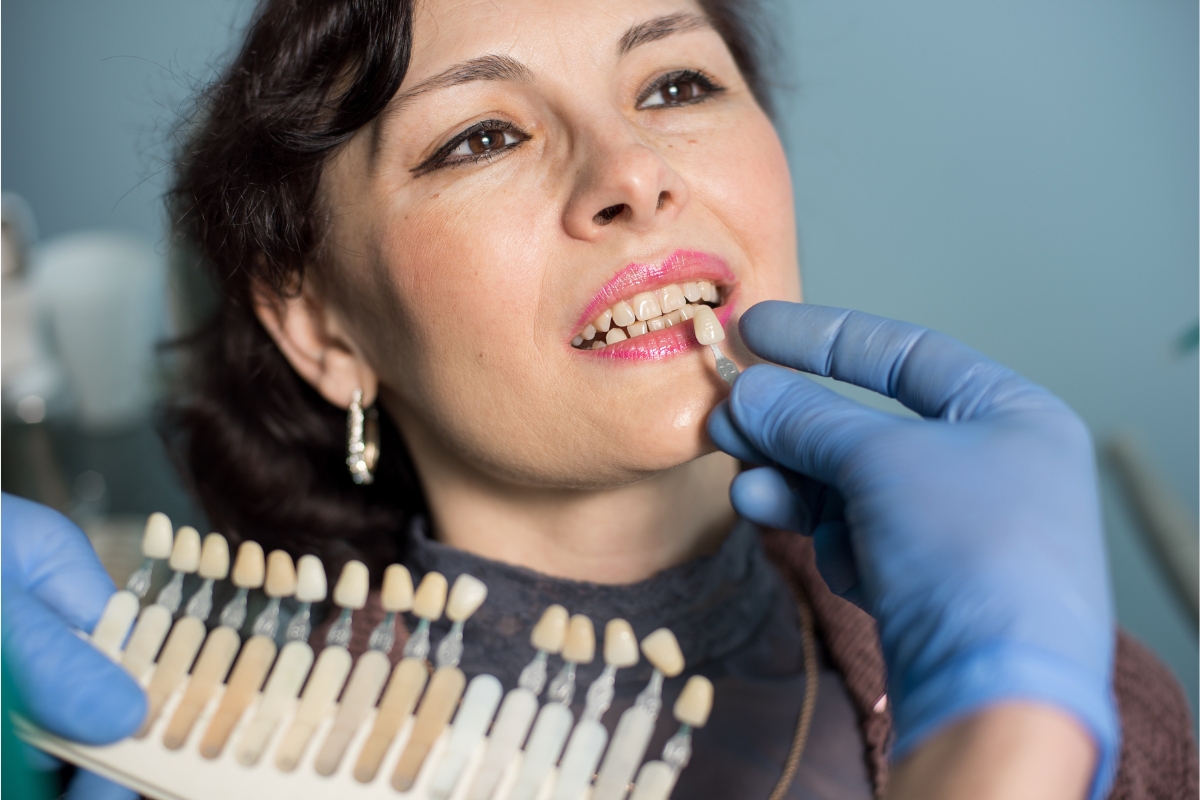
Think of veneers as thin, custom-crafted covers that fit over the front of your teeth. They are made from porcelain, a material that closely mimics the look of natural enamel. Because each veneer is designed specifically for your smile, the final result can look very natural rather than overly white or artificial.
People often choose veneers to improve:
- Teeth that are deeply stained
- Small chips or worn edges
- Minor gaps between teeth
- Uneven or irregularly shaped teeth
- Slightly crooked front teeth
One of the biggest advantages is that veneers can correct several cosmetic concerns at once, often with less treatment time than other options.
Are Veneers Permanent?
Here is the honest answer I give patients: veneers are considered a long-term commitment.
To place traditional porcelain veneers, a dentist usually removes a very small amount of enamel from the front of the tooth. This step helps the veneer sit naturally and blend with the surrounding teeth. Since enamel does not grow back, the tooth will generally continue to need some type of restoration in the future.
That sounds intimidating, but it is important to keep it in perspective. Most patients are not replacing their veneers every few years. In fact, many enjoy them for well over a decade before any significant work is needed.
If you are exploring cosmetic treatment options, a cosmetic dentist Mesa patients trust can evaluate your teeth and explain whether veneers are the right choice for your specific situation.
How Long Do Porcelain Veneers Last?
In everyday practice, porcelain veneers commonly last 10 to 15 years, and sometimes longer with excellent care. I have seen patients keep their veneers looking great for many years simply by treating them with the same care they give their natural teeth.
Their longevity depends on a few simple habits. Brushing twice a day, flossing daily, and keeping up with regular dental visits make a huge difference. Healthy gums and healthy teeth underneath the veneers are just as important as the veneers themselves.
Everyday Habits Matter More Than You Think
Porcelain is strong, but it is not indestructible. I often tell patients to avoid using their teeth as tools. Opening packages, biting ice, chewing hard candy, or cracking nuts with your front teeth can put unnecessary stress on veneers.
Teeth grinding is another common issue. Many people do not realize they grind or clench their teeth while sleeping until they start noticing wear on their teeth or restorations. If this applies to you, a custom nightguard can help protect both your veneers and your natural teeth.
How Do You Know If a Veneer Needs Attention?
Most of the time, veneers feel completely natural. You should not constantly notice them when you talk or eat. If something changes, it is worth having it checked.
Watch for signs such as:
- A rough or sharp edge
- A small crack or chip
- A veneer that feels loose
- New sensitivity around the tooth
- Changes in the gumline near the veneer
Catching these problems early can often prevent more complicated treatment later.
What Happens If Veneers Need to Be Replaced?
The replacement process is usually much easier than patients expect. The old veneer is carefully removed, the tooth underneath is examined, and a new custom veneer is created to fit your smile. Modern materials and digital technology often allow replacement veneers to look even more natural than older ones.
At Brown Road Dental, we focus on creating restorations that not only look attractive on the day they are placed but also function comfortably for years to come. The goal is a smile that feels like your own, not one that looks obviously “done.”
Are Veneers Right for Everyone?
Not necessarily. Veneers work best for people who have generally healthy teeth and gums and want to improve cosmetic concerns. If there is significant tooth decay, gum disease, or severe bite problems, those issues usually need to be treated first.
A good cosmetic consultation is not about convincing someone to get veneers. It is about determining whether veneers are truly the best option for that person’s goals, budget, and long-term oral health.
A Smile That Can Last for Years
Porcelain veneers are not a “forever and never think about them again” treatment. They are better viewed as a long-lasting cosmetic investment that can dramatically improve the appearance of your smile and your confidence.
With good oral hygiene, regular dental care, and a few sensible habits, veneers can continue looking beautiful for many years. If you have been wondering whether veneers are the right step for you, Brown Road Dental would be happy to answer your questions and help you explore your options.
Schedule an appointment today to find out how porcelain veneers can help you achieve a natural-looking smile that you will feel confident sharing every day.
Frequently Asked Questions
Will my veneers look fake?
When properly designed, porcelain veneers should blend naturally with your facial features and surrounding teeth. The goal is a healthy, attractive smile, not an artificial appearance.
Can I drink coffee with veneers?
Yes. Porcelain is highly resistant to staining, so coffee, tea, and similar beverages are less likely to discolor veneers than natural teeth.
Is getting veneers painful?
Most patients experience minimal discomfort during the procedure. Local anesthesia is typically used during tooth preparation, and any mild sensitivity afterward is usually temporary.
Do veneers require special toothpaste?
No special toothpaste is usually necessary. A non-abrasive fluoride toothpaste and a soft-bristled toothbrush are generally recommended.
Can veneers come off?
It is uncommon, but a veneer can loosen or detach if it is damaged or if the bonding is affected. If that happens, contact your dentist rather than trying to reattach it yourself.