A brighter smile can make you feel more comfortable in photos, conversations, and everyday moments. But if you have ever hesitated to whiten your teeth because you were worried about damaging your enamel, you are not alone.
The good news is that getting a brighter smile does not have to mean being harsh on your teeth. If you are wondering how to whiten teeth safely, the key is choosing an appropriate whitening method, using it as directed, and understanding what your teeth actually need.
For people in Mesa, AZ, everyday habits such as drinking coffee, tea, or wine can also contribute to staining over time. Fortunately, there are several ways to address discoloration while keeping enamel health in mind.
Why Do Teeth Become Discolored?
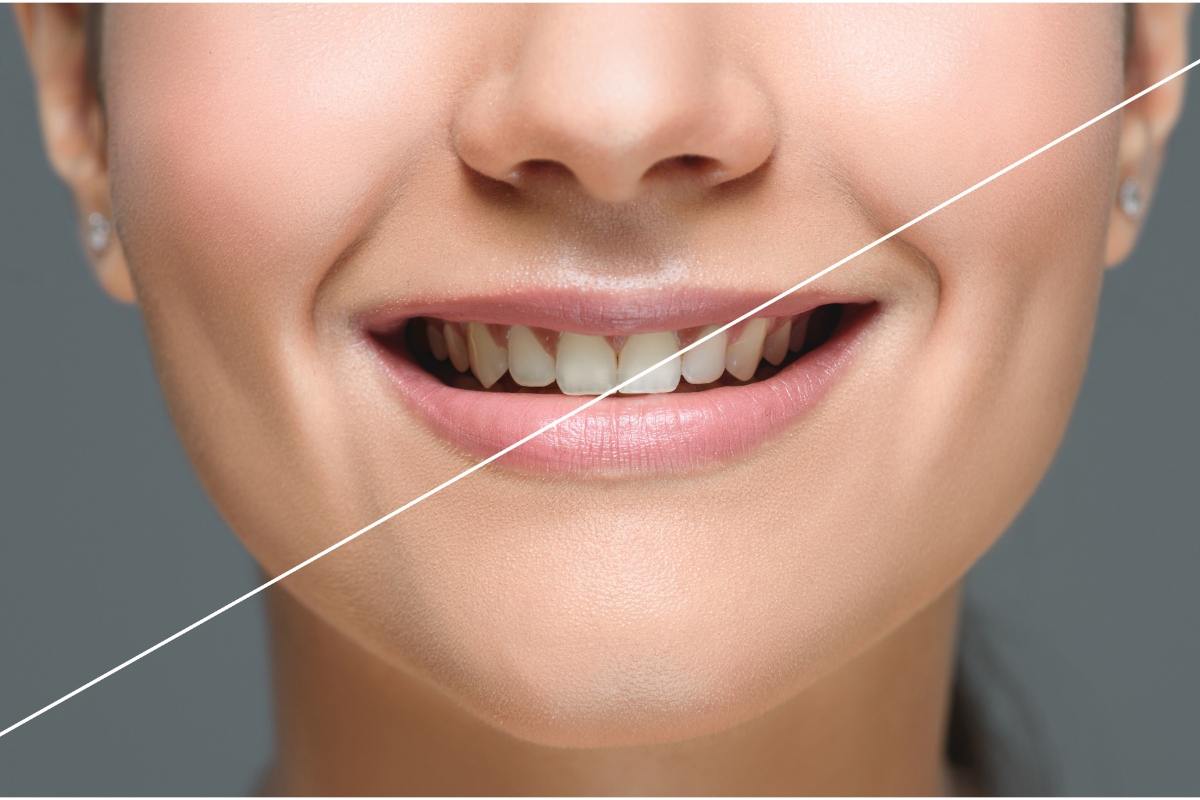
Teeth do not naturally stay the same shade throughout life. Food, drinks, tobacco, aging, and certain medications can all change their appearance.
Coffee and tea, for example, can leave stains on the outer surface of teeth. As enamel naturally becomes thinner with age, the darker dentin underneath may also become more noticeable.
Not every type of discoloration responds the same way to whitening. That is one reason an evaluation before treatment can be helpful, particularly if one tooth looks noticeably darker than the others.
How to Whiten Teeth Safely
The safest approach is not necessarily the strongest whitening product. It is the one that fits your teeth, your sensitivity level, and your whitening goals.
Start with healthy teeth
Whitening is a cosmetic treatment, so it should not be used to ignore an underlying dental problem. Cavities, irritated gums, exposed roots, or existing sensitivity may make whitening uncomfortable.
A dental examination can also identify the reason behind discoloration and help determine whether bleaching is likely to give you the result you want.
Follow the instructions
It can be tempting to think that leaving a whitening product on longer will make your teeth whiter. It usually is not worth the risk.
Peroxide-based whitening can cause temporary tooth sensitivity and gum irritation. According to the American Dental Association, these are among the most common side effects of tooth bleaching. Higher concentrations and longer exposure can increase the likelihood of sensitivity.
If you use an at-home product, follow the manufacturer’s directions carefully rather than combining several whitening treatments.
Be careful with DIY remedies
A quick internet search can turn up plenty of homemade whitening ideas involving lemon, vinegar, charcoal, baking soda, or fruit.
Natural does not automatically mean safe for enamel.
The ADA notes that evidence supporting many DIY whitening methods is limited. Some abrasive approaches may actually wear away enamel instead of safely lightening the tooth.
If your goal is to whiten teeth without damaging enamel, aggressive scrubbing and untested home mixtures are not a good shortcut.
What Is Enamel-Safe Teeth Whitening?
Enamel-safe teeth whitening is really about controlled treatment rather than chasing the whitest possible shade.
Most effective bleaching products use hydrogen peroxide or carbamide peroxide. These ingredients break down compounds responsible for tooth discoloration. Professional whitening, dentist-supervised take-home treatments, and certain over-the-counter products can all be options, depending on your situation.
The important part is using the right product in the right way.
Whitening should also be limited to natural teeth. Crowns, veneers, fillings, and other tooth-colored restorations do not change color in the same way as natural enamel. Whitening without considering existing restorations can therefore create a noticeable shade difference.
Whitening Treatment Options
You do not necessarily need an in-office treatment to brighten your smile. Different approaches have different advantages.
Whitening toothpaste
Whitening toothpaste can help remove some surface stains caused by food and drinks. It is generally better suited to maintaining a clean, brighter appearance than dramatically changing the natural color of your teeth.
Whitening strips
Over-the-counter whitening strips use peroxide to lighten natural teeth. They can be effective, but temporary sensitivity or gum irritation may occur. If you choose an OTC product, look for one with reliable safety and effectiveness information.
Professional whitening
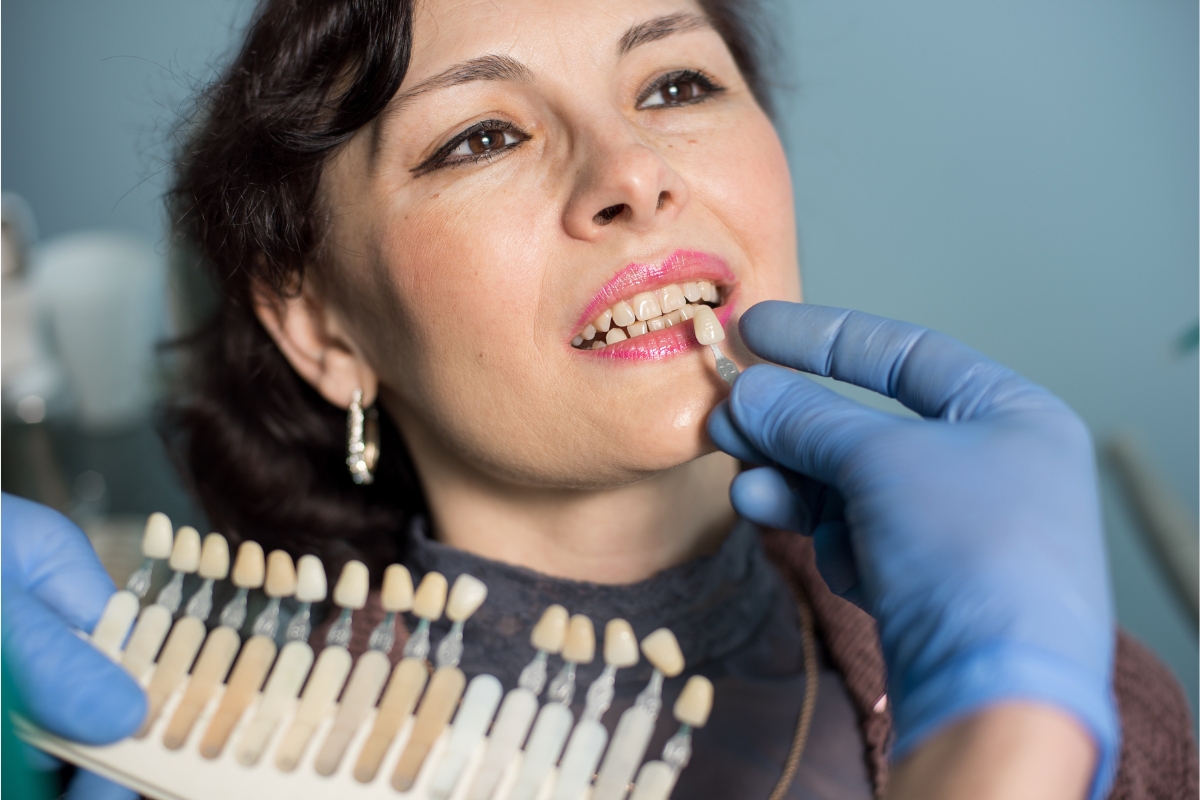
Professional whitening gives you the benefit of having the treatment selected and monitored based on your teeth and desired results.
At Brown Road Dental in Mesa, professional teeth whitening is offered as a cosmetic option for patients who want to brighten their natural smile.
For someone considering cosmetic dentistry Mesa options, whitening may be a straightforward starting point when tooth color is the main concern.
How to Reduce Whitening Sensitivity
Sensitivity is probably the biggest reason people become cautious about whitening. The ADA reports that temporary sensitivity is common during bleaching and can affect a significant number of people, particularly during the early stages of treatment. It generally settles after treatment ends.
You can make the experience more comfortable by:
- Following the recommended treatment time.
- Avoiding repeated whitening sessions without guidance.
- Using toothpaste made for sensitive teeth if needed.
- Limiting very hot or cold foods while your teeth are sensitive.
- Giving your teeth a break if discomfort develops.
- Speaking with a dental professional if sensitivity is severe or continues after treatment.
More whitening is not always better. A comfortable, gradual result is often a better goal than trying to achieve an extremely bright shade as quickly as possible.
Keeping Your Smile Whiter
Whitening does not permanently prevent new stains. What you eat and drink after treatment can gradually affect the color again.
Brush twice a day with fluoride toothpaste, clean between your teeth, and keep up with regular dental visits. If coffee, tea, or red wine is part of your routine, rinsing with water afterward can help reduce how long staining substances remain around your teeth.
Brown Road Dental also notes that whitening results are not permanent and that habits such as smoking and frequent coffee, tea, or wine consumption can contribute to new discoloration over time.
A Brighter Smile Starts With Healthy Teeth
A whiter smile and healthy enamel do not have to be competing goals. The better approach is to understand what is causing your discoloration, choose an appropriate treatment, and avoid shortcuts that could unnecessarily irritate your teeth.
If you are in Mesa and considering professional whitening or other cosmetic options, Brown Road Dental can help you determine which approach fits your smile.
Schedule an appointment to discuss your whitening goals and find an approach that keeps both your smile and enamel in mind.
Frequently Asked Questions
Can whitening damage enamel?
When used appropriately, established whitening products are intended to lighten natural teeth rather than remove enamel. However, excessive or improper use can increase the risk of sensitivity and other unwanted effects.
What is the safest way to whiten teeth at home?
Use a reputable product exactly as directed. If you already have sensitive teeth, dental restorations, gum concerns, or significant discoloration, ask a dental professional which option is appropriate before starting.
Does whitening toothpaste make teeth dramatically whiter?
Usually, whitening toothpaste is more useful for removing surface stains than significantly changing the natural color of teeth.
Can veneers and crowns be whitened?
No. Whitening affects natural teeth, not most existing tooth-colored restorations. This should be considered before treatment.
How often should I whiten my teeth?
There is no universal schedule. Frequency depends on the whitening method, your teeth, sensitivity, and how quickly stains return. Repeated treatments should not be used simply to keep making teeth lighter.