
Can Dental Implants Get Infected Years Later?
Book Online

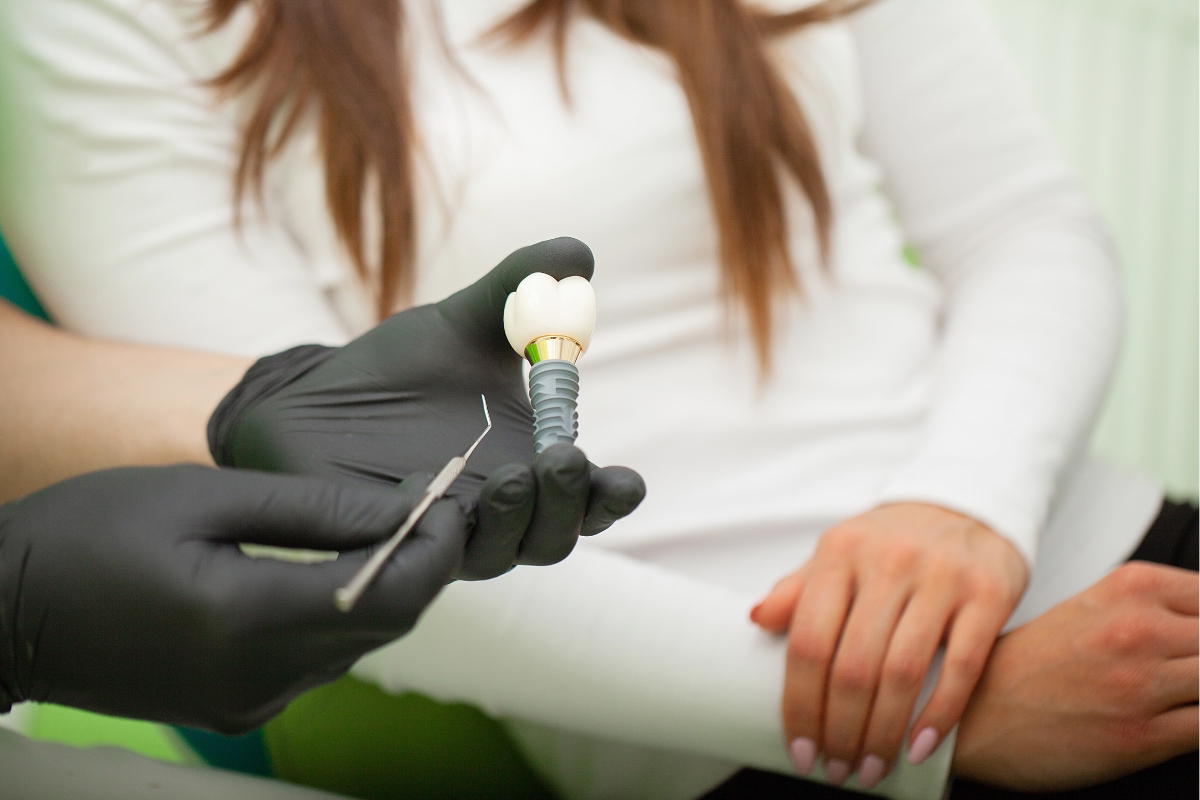
Dental implants have become one of the most reliable ways to replace missing teeth. They look natural, feel secure, and allow people to eat and speak with confidence again. Because implants are designed to last for many years, it’s easy to assume that once they heal, there’s nothing more to worry about.
However, just like natural teeth, dental implants still depend on healthy gums and good daily care. While implant infections are not common, they can happen—even years after placement. Understanding why this occurs and how to prevent it can help protect your smile long term.
Why Would an Implant Get Infected After So Many Years?
An implant itself can’t decay, but the gum and bone around it are still living tissue. Over time, bacteria can build up near the gumline if oral hygiene slips or regular dental visits are missed. This bacteria may cause inflammation around the implant, slowly weakening the support that keeps it stable.
What makes late implant infections tricky is that they often develop quietly. Many people don’t notice a problem until the inflammation has already progressed, which is why routine dental care remains important long after the implant procedure is complete.
Factors That Can Increase Implant Infection Risk
Certain habits and health conditions can make dental implants more vulnerable over time, including:
- Inconsistent brushing and flossing
- Smoking or vaping
- Poorly controlled blood sugar levels
- Skipping professional cleanings
- Chronic dry mouth
- Teeth grinding or bite pressure
Patients with dental implants Mesa are often advised that long-term success depends just as much on maintenance as it does on the original procedure. Even a well-placed implant needs ongoing attention to stay healthy.
Warning Signs to Watch For
Implant infections don’t always cause pain right away. Paying attention to small changes can help prevent bigger issues later. Common warning signs include:
- Red or swollen gums around the implant
- Bleeding when brushing or flossing
- Bad breath that doesn’t improve
- Sensitivity or discomfort while chewing
- Gum tissue pulling away from the implant
- A loose or shifting feeling
If any of these symptoms appear, it’s important not to ignore them.
Can an Infection Really Show Up Years Later?
Yes, it can. While many implant-related issues occur within the first year, some infections develop much later. These delayed cases are often linked to long-term plaque buildup or untreated gum irritation.
Dental research shows that a percentage of implants experience inflammation within ten years of placement. This doesn’t mean implants aren’t reliable—it simply highlights the importance of continued care and regular checkups with a trusted dental professional.
How a Dentist Can Help Protect Your Implant
A skilled Mesa dentist can identify early signs of infection and recommend treatment before serious damage occurs. Depending on the situation, care may include:
- Thorough professional cleaning around the implant
- Targeted antibacterial treatment
- Deep cleaning beneath the gumline
- Adjustments to bite pressure
- Personalized home-care recommendations
Early treatment often makes it possible to stabilize the area and keep the implant functioning comfortably.
Simple Ways to Reduce the Risk of Infection
Protecting your dental implants doesn’t require complicated routines—just consistency.
Brush and clean carefully every day
Use a soft toothbrush and clean around the implant gently but thoroughly.
Don’t skip dental visits
Routine exams help catch inflammation early, often before symptoms appear.
Avoid tobacco products
Smoking limits blood flow to the gums and increases infection risk.
Support your body with good nutrition
Healthy gums and bones rely on proper vitamins and minerals.
Manage overall health conditions
Keeping medical conditions under control benefits your oral health too.
Following professional guidance makes a significant difference in how long implants last.
What Dental Research Confirms
Dental organizations consistently emphasize that implant longevity depends on daily care and professional maintenance. Patients who follow good hygiene routines and attend regular dental visits have a much lower risk of late implant complications, even decades after placement.
Long-Term Implant Care Matters
Dental implants are designed to be a lasting solution, but their success depends on how well they’re cared for over time. Consistent oral hygiene, healthy habits, and regular dental visits play a key role in preventing infections—even years after placement.
Schedule an appointment today to keep your dental implants healthy and your smile strong for years to come.
Frequently Asked Questions
Can a dental implant infection spread to other areas?
Yes. If untreated, bacteria can affect nearby gums and bone.
Are implant infections always painful?
No. Some infections cause mild or no discomfort at first, which is why regular checkups are essential.
Can an infected implant be saved?
In many cases, yes—especially when the issue is caught early.
How common are late implant infections?
They are less common than early complications but can occur without proper long-term care.
When should I contact a dentist?
If you notice swelling, bleeding, discomfort, or changes around your implant, seek care promptly.