
What Happens If I Have a Bone Graft But Not an Implant?
Book Online


Getting a bone graft can feel like a big step—especially if you’re not sure whether you’ll follow it with a dental implant. While bone grafts are often part of implant treatment, they’re also done for other important reasons. If you’ve had a graft but don’t plan to move forward with an implant, it’s completely fair to wonder what happens next.
Why Would You Need a Bone Graft?
Your jawbone needs regular stimulation to stay strong. When a tooth is lost, that stimulation disappears, and the bone in that area can begin to shrink. Bone grafting is used to rebuild and support those weakened areas.
Dentists typically recommend grafting after tooth loss, gum disease, injury, or even long-term denture use. In some cases, it’s done to prepare for future treatment—but in others, it’s simply about protecting your oral health.
What Happens After the Procedure?
Once the graft is placed, your body gets to work. Over time, the graft material blends with your natural bone, creating a stronger and more stable structure. This process doesn’t happen overnight—it can take a few months—but it’s a natural part of healing.
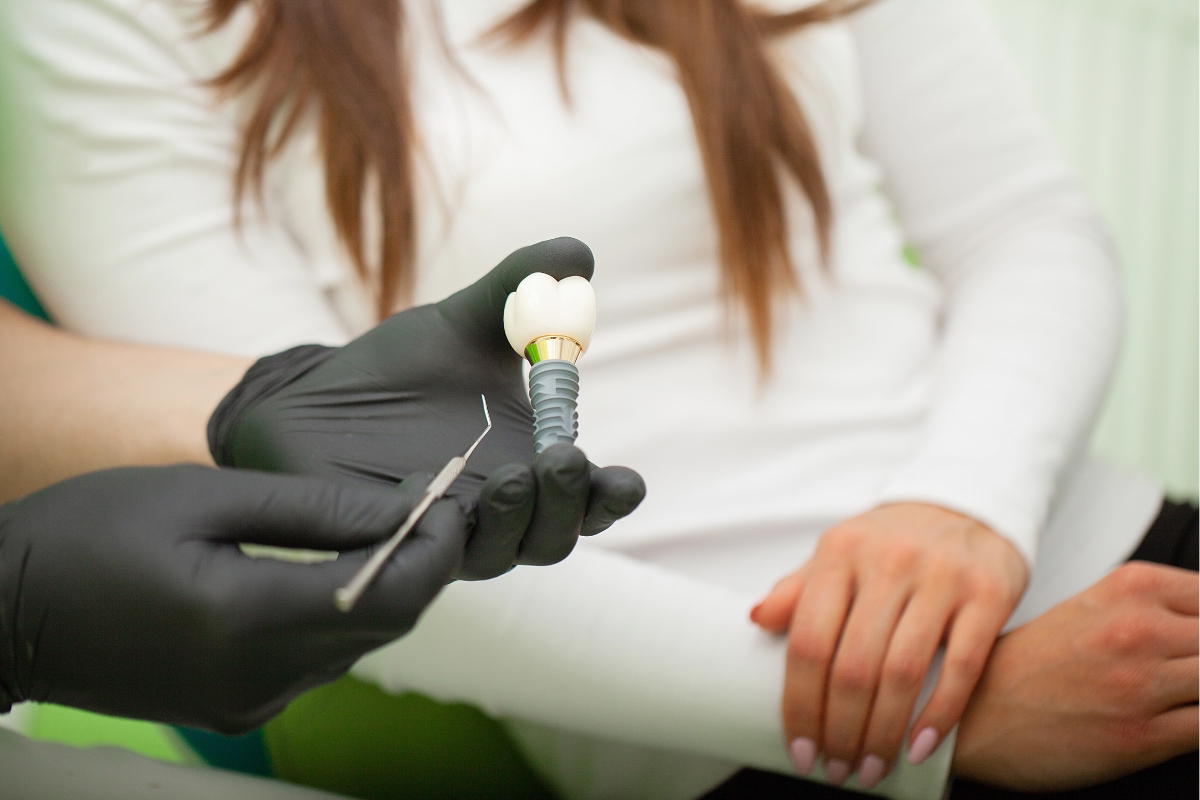
If you were considering dental implants Mesa, this strengthened bone would act as a solid base. But even if you decide not to go that route, the graft still plays a valuable role by helping your jaw maintain its shape and strength.
Will the Bone Graft Stay in Place?
Yes, it will. The graft doesn’t just sit there—it becomes part of your bone. That said, without a tooth or implant in that space, the bone may slowly begin to shrink again over time. The graft helps slow that process significantly, even if it doesn’t stop it entirely.
Benefits of a Bone Graft (Even Without an Implant)
Choosing not to get an implant doesn’t mean the graft was unnecessary. In fact, it can offer several lasting benefits:
Keeps Your Facial Shape Intact
Bone loss can subtly change how your face looks over time. A graft helps maintain your natural contours.
Makes Dentures More Comfortable
If you wear dentures, a stronger jawbone can improve how they fit and feel, reducing slipping or discomfort.
Supports Everyday Function
A healthier jaw can make chewing and speaking feel more natural and stable.
Helps Protect Nearby Teeth
When bone weakens in one area, nearby teeth can shift. A graft helps keep everything more stable.
What If You Skip the Implant?
If an implant was part of your original plan but you decide against it, there are a few things to keep in mind:
Bone Loss Can Still Happen Slowly
Even after grafting, the absence of stimulation may lead to gradual bone changes over time.
Teeth May Start to Shift
An empty space can cause surrounding teeth to move, which may affect your bite.
Gums May Change Over Time
The gum tissue in that area can recede slightly, especially if the space isn’t restored.
Talking to an experienced dentist Mesa can help you understand how to manage these changes and keep your smile healthy.
What Are Your Options Besides Implants?
If implants aren’t the right fit for you, there are still reliable ways to replace missing teeth:
Dental Bridges
Bridges use nearby teeth for support and can fill gaps effectively.
Removable Dentures
These are a common option for replacing multiple teeth and can work even better when supported by a healthy bone structure.
Full-Arch Solutions
In some cases, treatments like All-on-4® may still be an option, depending on your bone condition and goals.
Personalized Care in Mesa, AZ
At Brown Road Dental, care is never one-size-fits-all. Whether you’ve already had a bone graft or you’re still exploring your options, the focus is on helping you make confident, informed decisions. From maintaining bone health to discussing tooth replacement solutions, the goal is to support both your comfort and long-term oral wellness.
If you’re unsure about what to do after a bone graft, you don’t have to figure it out alone.
Schedule an appointment today to explore your options and keep your smile on the right track.
Frequently Asked Questions
Is a bone graft still useful if I don’t get an implant?
Yes, it helps preserve your jawbone and prevents further deterioration.
How long does a bone graft last on its own?
It becomes part of your natural bone, but minor shrinkage can still happen over time.
Can I wait and decide on an implant later?
You can, although you might need additional treatment if bone loss occurs again.
Will my face change if I leave the space empty?
Over time, bone loss may slightly affect facial structure, especially if multiple teeth are missing.
Do dentures work better after a bone graft?
Yes, they tend to fit more securely when there’s a stronger bone foundation.
Is the procedure painful?
Most patients report only mild discomfort, and it’s usually manageable with prescribed care.
What happens if I don’t replace a missing tooth at all?
It can lead to shifting teeth, bite issues, and gradual bone loss.
How do I know what option is right for me?
A dental evaluation can help you choose the best solution based on your needs and goals.