
Dental Bone Graft Healing Timeline: What to Expect From Surgery to Implants
Book Online

A dental bone graft is a procedure designed to rebuild or strengthen areas of the jaw where bone has been lost. Bone loss can develop for many reasons, such as advanced gum disease, missing teeth, trauma, or naturally thin jawbone anatomy. A graft helps restore the foundation needed for long-term dental work—especially dental implants.
Why Bone Grafts Are Needed
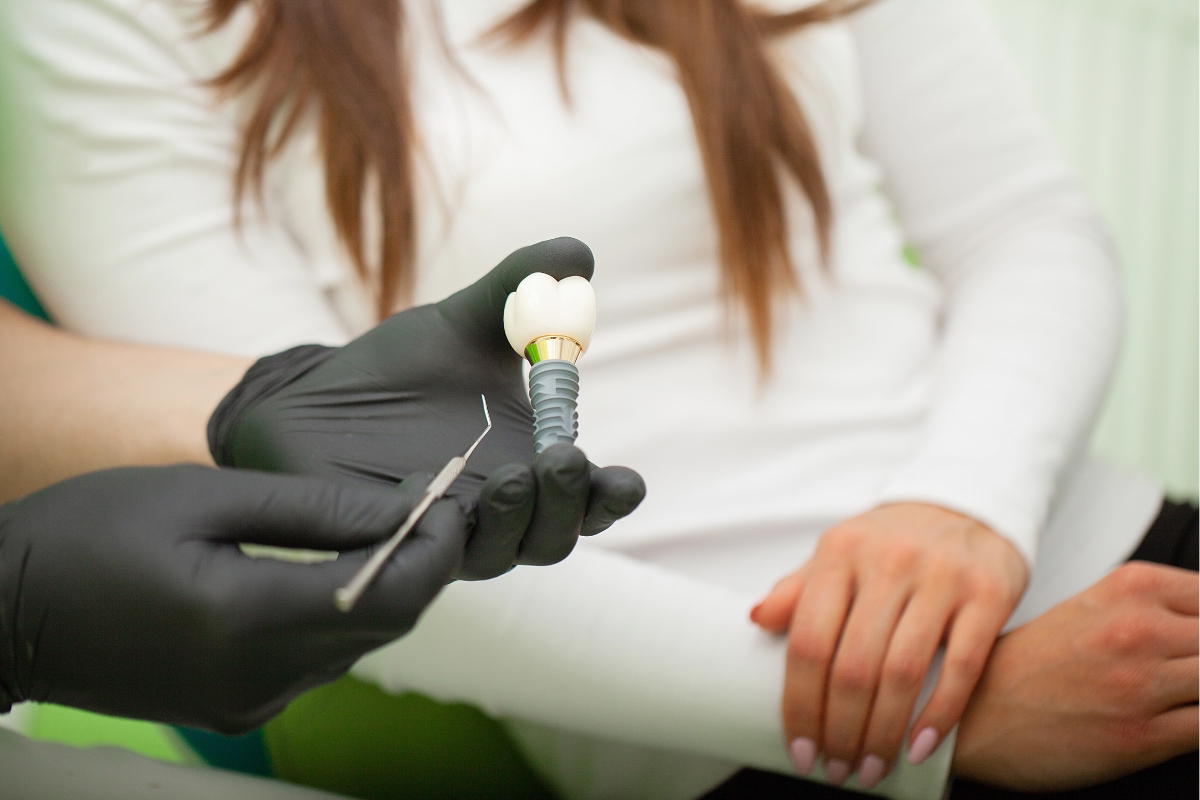
Bone grafting is most commonly performed to create the proper support for dental implants. Implants rely on strong, healthy bone to stay stable and fully fuse with the jaw. When bone volume is insufficient, a graft encourages new bone growth so the implant can integrate successfully.
Dentists may also recommend a graft to:
- Preserve the socket after a tooth extraction
- Rebuild areas affected by periodontal disease
- Improve facial structure where bone has collapsed
- Enhance support for bridges, dentures, or cosmetic procedures
For people considering dental implants Mesa, a bone graft can significantly increase the likelihood of a successful outcome.
Different Types of Dental Bone Grafts
Several kinds of graft materials are used depending on your case:
Autograft
Bone taken from your own body—often the jaw or chin. This method offers excellent compatibility and stimulates strong new bone growth.
Allograft
Donor bone from a tissue bank that undergoes thorough processing. It eliminates the need for a second surgical site and is widely used in modern dentistry.
Xenograft
Bone sourced from animals, commonly bovine. The material is cleaned, sterilized, and shaped to support gradual bone formation in the area.
Your dentist will choose the most suitable type based on the amount of bone needed and your overall treatment plan.
What Happens During the Healing Process?
Bone graft healing is a gradual and natural process. After the procedure, your body works to integrate the graft with the existing bone through several stages:
Inflammation (First Few Days)
Swelling, soreness, and some redness are normal. This stage activates the body’s healing response.
New Blood Supply Formation
Fresh blood vessels grow into the grafted area, delivering nutrients and oxygen essential for tissue repair.
Bone Growth
Over the next few months, your body slowly replaces the graft material with new bone cells. This builds stability and density.
Bone Remodeling
Once new bone has formed, it begins reshaping and strengthening itself to function like natural jawbone.
Full maturation can take several months, but this process is what ensures implant success.
General Healing Timeline
Recovery varies from person to person, but most patients follow a similar pattern:
1–2 Weeks
- Swelling and tenderness peak and begin to improve
- Soft diet is recommended
- Proper oral hygiene and rest are important
3–4 Months
- New bone starts developing
- Most daily activities feel normal
- Dentist evaluates early progress
6–9 Months (or more for complex grafts)
- Full integration and remodeling occur
- The site becomes strong enough for dental implant placement
Remember, these are average ranges—each patient heals at a different pace.
What Affects Healing Time?
Several factors influence how quickly your graft matures:
Type of Graft
- Socket grafts: Usually heal fastest—around 3–4 months
- Sinus lifts: More complex; may take 6–12 months
- Ridge augmentation: Timeline depends on how much bone is needed
Extent of Bone Loss
Larger grafts generally require more time to integrate fully.
Age and Health
Younger individuals often heal faster, while medical conditions or immune issues may slow recovery.
Lifestyle Habits
Smoking is one of the biggest factors that delays healing and increases complications. Alcohol overuse and poor diet can also impact recovery.
Post-Op Care
Following your dentist’s instructions significantly improves healing potential.
Recovery Tips for a Smooth Healing Process
Pain & Swelling Management
- Take prescribed pain medications as instructed
- Use ice packs during the first 24–48 hours
- Get plenty of rest
Diet Recommendations
- Stick to soft, cool foods initially
- Avoid hard, crunchy, or very hot foods that may disturb the graft
- Gradually reintroduce solid foods as comfort improves
Oral Care
- Brush gently with a soft toothbrush
- Avoid touching the surgical site directly
- Use antibacterial mouthwash if recommended
Activity Restrictions
- Limit physical exertion for several days
- Avoid bending, lifting, or high-impact exercise
- Resume your normal routine only when your dentist approves
Follow-Up Appointments
Regular checkups allow your dentist Mesa to monitor healing, detect problems early, and determine the right time for implant placement.
Additional Questions Patients Often Ask
Can I smoke after a bone graft?
Smoking is strongly discouraged because it decreases blood flow and oxygen supply—both essential for bone formation. Avoid smoking for several weeks or, ideally, quit entirely.
When can I eat regular food again?
Most patients begin transitioning to solid foods after the first week, depending on comfort and healing.
Is exercise allowed?
Light activity is fine after a few days, but strenuous exercise should be avoided until the dentist confirms it’s safe.
What Are Signs of a Problem?
Contact your dentist if you notice:
- Increasing pain instead of improvement
- Persistent numbness
- Fever or chills
- Heavy bleeding
- Foul taste, pus, or unusual odor
Final Thoughts
A dental bone graft is a vital step in rebuilding jaw strength and creating the support needed for a successful dental implant. While healing takes time, proper aftercare and regular follow-up appointments help ensure smooth recovery and excellent long-term results. I
f you’re preparing for implants or have concerns about bone loss, your dentist can guide you through the process and help you understand the best treatment options for your smile.