

Can I Get Dental Implants If I Have Bone Loss
Book Online

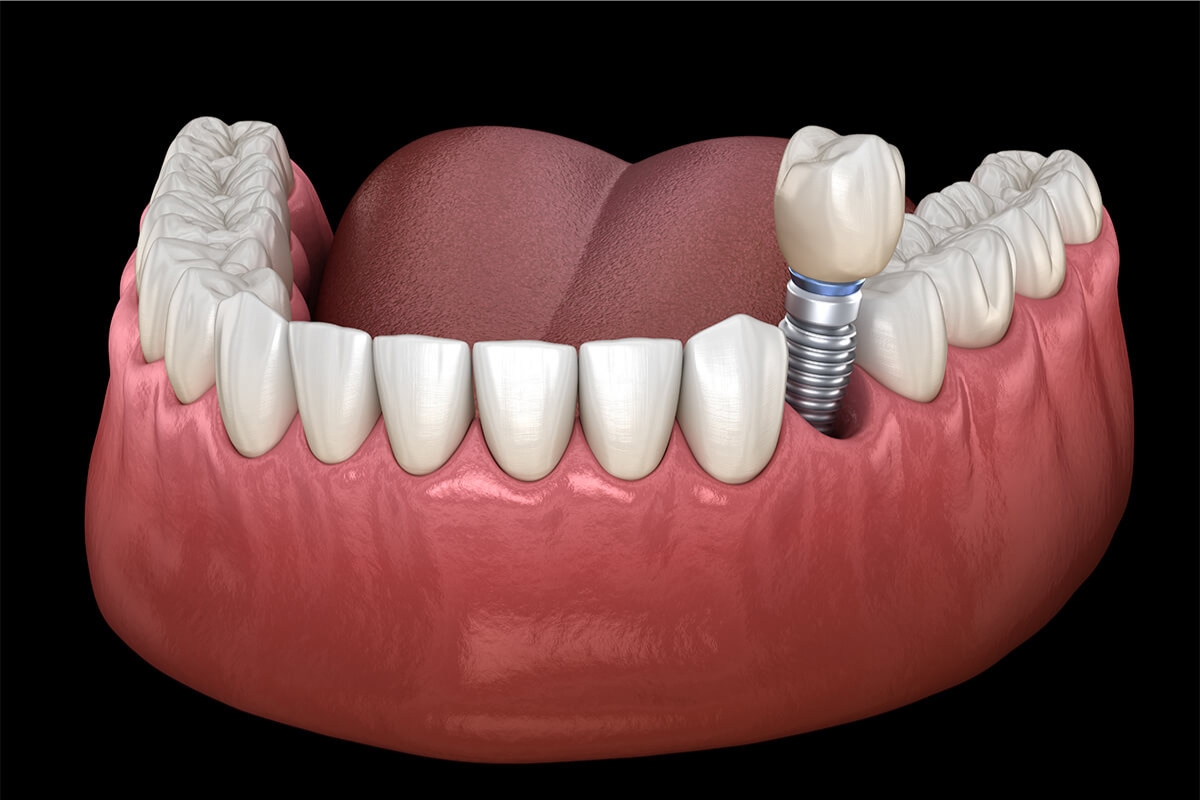
When you lose a tooth, it’s more than just a gap in your smile—it can affect the way you eat, speak, and even how your face appears over time. Dental implants are often considered the best long-term replacement for missing teeth, but many people wonder: Can I still get them if I have bone loss?
The encouraging answer is yes. Thanks to modern techniques such as bone grafting and sinus lifts, many patients who thought implants were not an option can now successfully restore their smile.
Why Jawbone Health Matters for Implants
Dental implants act like natural tooth roots, and they need a strong foundation to stay secure. The jawbone provides that support. However, when teeth are missing, the bone in that area naturally begins to shrink because it no longer receives the stimulation it gets from chewing.
Studies show that within a year of tooth loss, a person may lose up to 25% of the bone’s width in the affected area. Over time, this can make placing implants more challenging. That’s why a Mesa dentist will often check bone density before recommending treatment.
Can Implants Be Placed With Bone Loss?
In many cases, yes. Having bone loss doesn’t automatically disqualify you from implants. It just means your treatment plan may involve additional steps.
Bone Grafting for Support
Bone grafting is one of the most common solutions for patients with bone loss. A small amount of graft material—either natural or synthetic—is placed where the bone needs strengthening. Over the next few months, it integrates with your jaw, building a stable base for dental implants.
Sinus Lifts for Upper Teeth
For patients missing upper molars or premolars, the sinus area can sometimes interfere with implant placement. A sinus lift carefully raises the sinus membrane and adds grafting material, creating enough space and support for implants to be placed securely.
Alternatives to Extensive Grafting
Not everyone needs a major graft. In some cases, shorter or angled implants can be used to avoid weak areas of bone. Your Mesa dentist will recommend the best option after evaluating your situation.
What Dentists Evaluate Before Recommending Implants
Every patient’s treatment plan is unique. When bone loss is present, dentists consider:
- How much bone is left and its quality
- The location of missing teeth (front teeth usually need more stability for appearance reasons)
- Overall health factors such as smoking or diabetes that may affect healing
- Which techniques—grafting, sinus lifts, or shorter implants—will provide long-term stability
This careful planning is why dental implants remain highly successful even when bone loss is involved.
Mesa Insight: Local Options for Bone Loss and Implants
In Mesa, many people put off replacing missing teeth and later learn they have bone loss. The good news is that local dental practices increasingly offer advanced options like grafting and sinus lifts, making implants available to more patients than ever before.
Seeing a trusted dentist in Mesa ensures you receive care tailored to your needs. Whether you need additional bone support or want to explore different implant techniques, working with a dentist means you’ll have a personalized plan designed to give you the best results.
What the Data Shows
According to the American Dental Association, dental implants have a success rate of around 95% when placed under healthy conditions. Even for patients who undergo bone grafting, success rates remain above 90%, showing how reliable these treatments can be when performed correctly.
This data reinforces the fact that bone loss is not the end of the road for people considering implants.
FAQs About Dental Implants and Bone Loss
Q: How long does recovery take after bone grafting?
A: Most patients need 3 to 6 months for the graft to heal before implants can be placed.
Q: Is bone grafting a painful process?
A: Discomfort is usually mild and managed with medication. Patients often compare it to having a tooth pulled.
Q: Can implants be placed without grafting?
A: Sometimes, if enough healthy bone remains or if shorter implants are an option.
Q: What happens if I don’t replace missing teeth?
A: Bone loss will continue, which can make treatment harder later and may change facial appearance.
Taking the Next Step
Bone loss doesn’t have to prevent you from getting dental implants. With modern solutions like bone grafting and sinus lifts, many patients are excellent candidates. The key is having a treatment plan built around your needs and long-term oral health.
If you’re in Mesa and dealing with missing teeth, meeting with a trusted dentist can help you find the right path forward. Whether you need additional bone support or alternative implant methods, there are solutions available.
Take the first step toward a restored smile—schedule your appointment today.