Losing several teeth can affect far more than your smile. Eating becomes difficult, speech may change, and many people feel less confident in social situations. It is natural to wonder whether modern dentistry can replace every missing tooth with a dental implant.
The good news is that it is technically possible to place an implant for each missing tooth. However, that is not always the most practical or recommended solution. In many cases, dentists can restore a full smile with fewer implants while still providing excellent function and a natural appearance.
What Are Dental Implants?
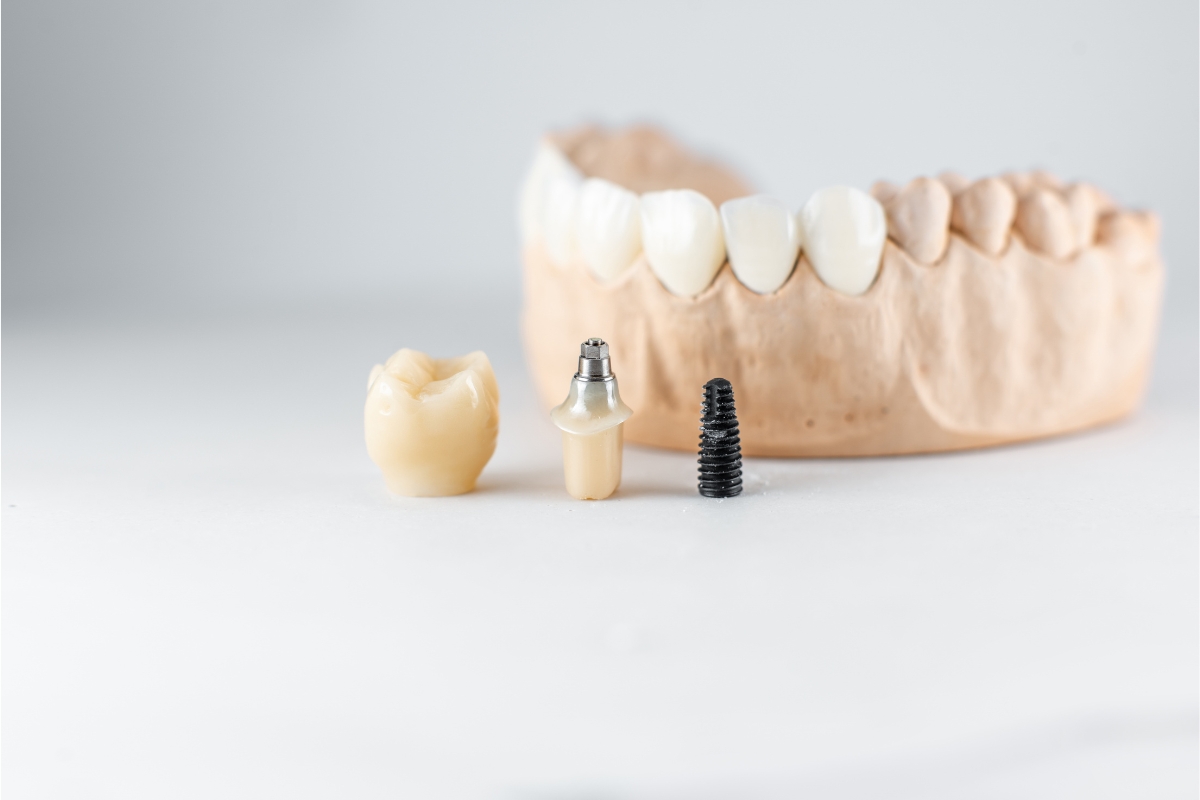
Dental implants are small posts made from titanium or zirconia that are placed into the jawbone to act as artificial tooth roots. After the implant bonds with the bone, a custom crown, bridge, or denture is attached to restore the missing tooth or teeth.
Because implants are anchored in the jaw, they feel much more stable than removable dentures. They also help preserve bone structure, which is one reason they have become a preferred long-term tooth replacement option.
Why Do People Choose Implants?
Missing teeth can cause several oral health problems over time. Nearby teeth may shift out of position, the jawbone can begin to shrink, and chewing certain foods may become uncomfortable. Implants help address these issues by providing a secure foundation for replacement teeth.
Patients who choose dental implants Mesa often appreciate that implants:
- Look similar to natural teeth
- Allow comfortable chewing and speaking
- Stay securely in place
- Help maintain jawbone health
- Can last for many years with proper care
These benefits make implants a popular choice for both single-tooth replacement and more extensive restorations.
Can You Replace Every Tooth with an Implant?
Yes, a person could receive an implant for every missing tooth. For someone who has lost all of their teeth, that could mean placing more than twenty implants. While this approach is possible, it is usually unnecessary and extremely expensive.
Dentists generally recommend solutions that provide the same functional and cosmetic benefits with fewer implants. Modern full-mouth restoration techniques are designed to reduce surgery, shorten recovery time, and lower overall treatment costs.
Factors That Determine Whether Implants Are Suitable
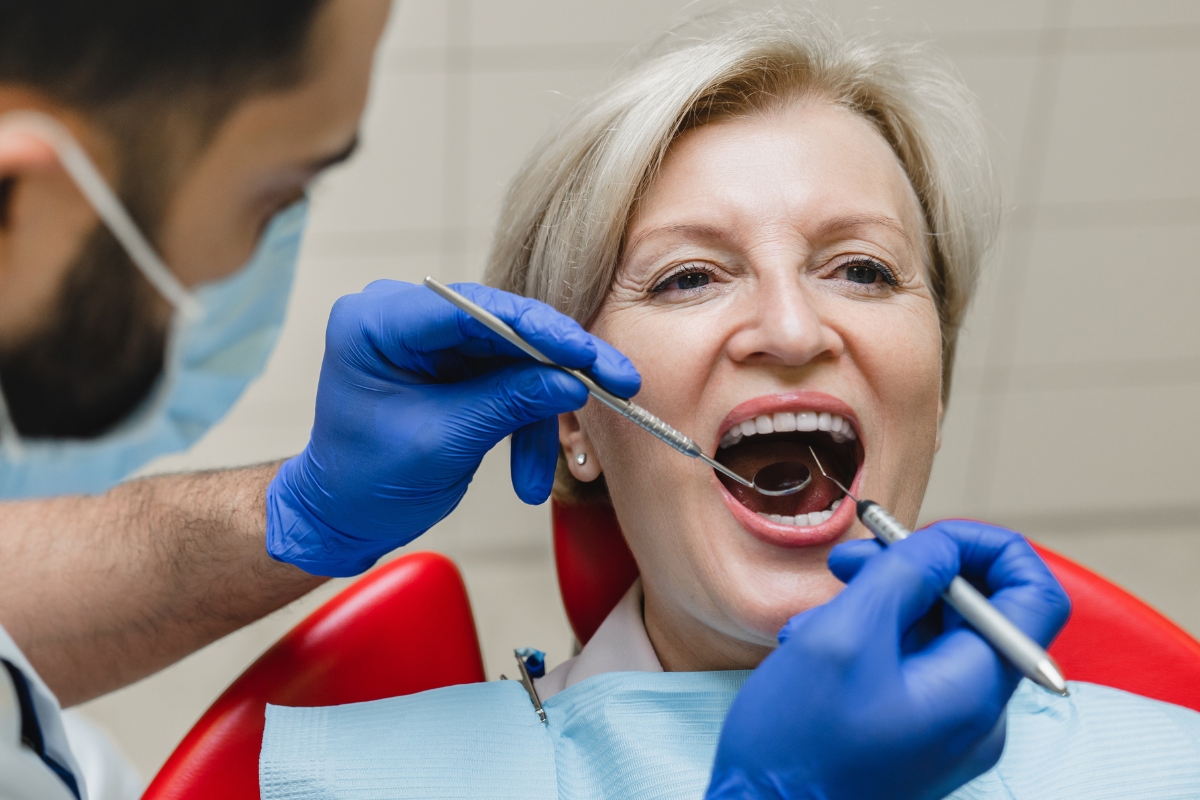
Before recommending full-mouth implant treatment, a dentist will perform a detailed examination.
Jawbone Condition
Implants need adequate bone support to remain stable. If bone loss has occurred after years of missing teeth, additional procedures such as bone grafting may be required.
Gum Health
Healthy gums are essential for successful implant treatment. Gum disease must usually be treated before implants are placed to reduce the risk of infection and implant failure.
Overall Health
Medical conditions such as uncontrolled diabetes, certain immune disorders, or heavy smoking can affect healing after implant surgery. Your dentist will review your medical history to determine the safest treatment option.
Alternatives to One Implant Per Tooth
Many patients are surprised to learn that a full set of teeth can often be supported by only a few implants.
All-on-4 or All-on-6
These techniques use four to six implants to support an entire upper or lower arch of replacement teeth. The implants are positioned strategically to maximize stability and support a fixed bridge.
Implant-Supported Dentures
A removable denture can be attached to several implants for added security. This option is often more comfortable than a traditional denture because it is less likely to slip while eating or speaking.
Implant-Supported Bridges
When multiple teeth are missing in the same area, a bridge can be supported by two or more implants rather than placing an implant for each individual tooth.
If you visit a dentist Mesa office for a consultation, these alternatives may be discussed as more efficient ways to restore your smile.
What About Single-Tooth Implants?
If only one tooth is missing, a single implant is often the most conservative and effective solution. The implant is placed directly into the empty space, and a custom crown is attached after healing.
Unlike a traditional bridge, this approach does not require grinding down healthy neighboring teeth. Single-tooth implants also help maintain bone in the area where the tooth was lost.
Benefits of Full-Mouth Implant Restoration
For patients who qualify for extensive implant treatment, the advantages can be significant.
Natural Appearance
Modern implant restorations are custom-made to match the color, shape, and size of natural teeth, creating a realistic and attractive smile.
Improved Function
Because implants are anchored in the jawbone, they provide strong biting power and allow patients to enjoy a wider variety of foods comfortably.
Long-Term Stability
With regular dental visits and good oral hygiene, implant restorations can remain functional for decades, making them a valuable long-term investment in oral health.
Is Full-Mouth Implant Treatment Right for You?
The best solution depends on several factors, including how many teeth are missing, the condition of your bone and gums, and your budget. Some people benefit from individual implants, while others achieve excellent results with an implant-supported bridge or a full-arch restoration.
A thorough examination, including X-rays or 3D imaging, is necessary to determine the most appropriate treatment plan for your specific needs.
Final Thoughts
Although it is possible to place a dental implant for every missing tooth, most patients do not need that many implants to achieve a healthy, functional, and attractive smile. Options such as All-on-4, implant-supported bridges, and implant-supported dentures can often provide excellent results with fewer implants, less surgery, and lower overall costs.
If you are exploring tooth replacement options in Mesa, AZ, Brown Road Dental can help you understand which implant solution is best for your smile, oral health, and long-term goals.
Ready to restore your smile with a long-lasting solution? Schedule an appointment today.
Frequently Asked Questions
How many implants are usually needed for a full mouth?
Most full-mouth restorations use four to six implants per arch rather than one implant for every tooth.
Are dental implants better than traditional dentures?
Implants are generally more stable, more comfortable, and better at preserving jawbone health than traditional removable dentures.
Can I get implants if I have bone loss?
Possibly. Bone grafting procedures can often rebuild enough bone to support dental implants.
How long do dental implants last?
With proper care, implants can last for decades, and many patients keep them for a lifetime.
Is the implant procedure painful?
Local anesthesia is used during the procedure, so patients should not feel pain during surgery. Mild soreness afterward is usually manageable with medication and home care.
How long does full-mouth implant treatment take?
The timeline varies depending on healing needs, extractions, and whether bone grafting is required. Treatment may take several months from start to finish.