
When to Smoke After Dental Implants?
Book Online

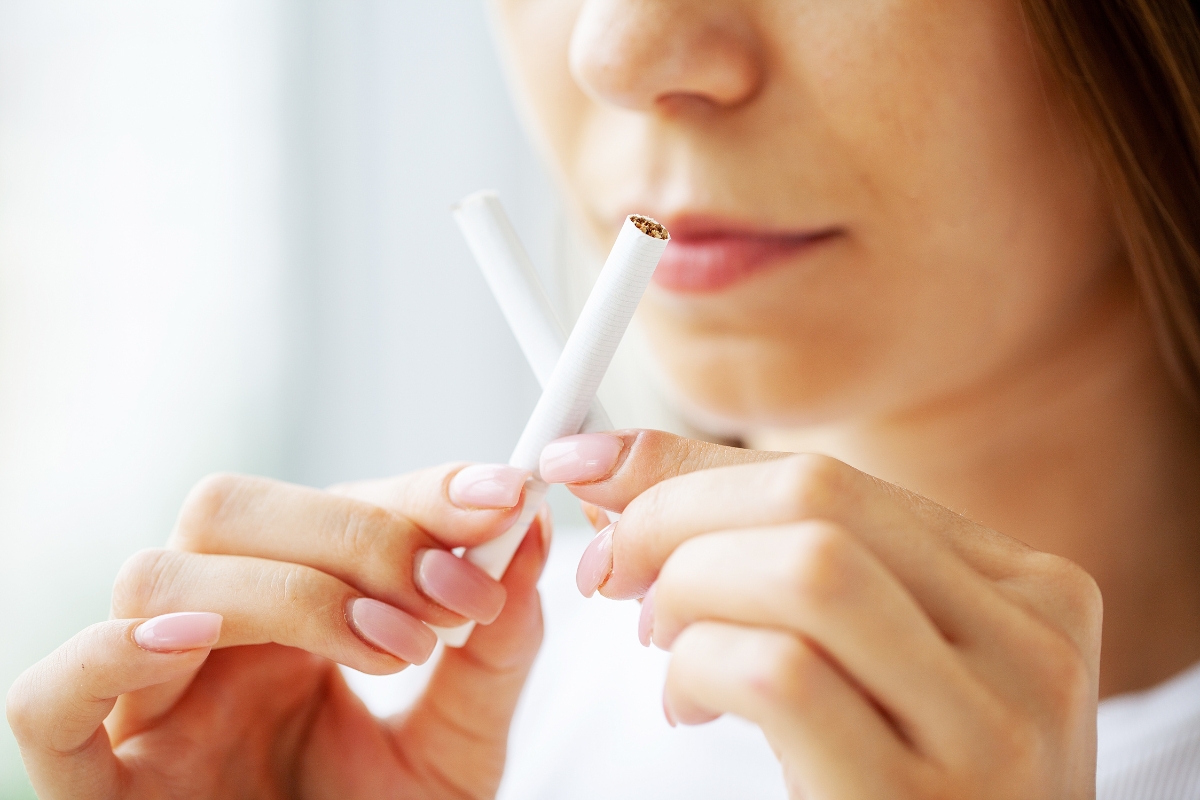
Dental implants are one of the most reliable ways to restore missing teeth and regain confidence. But the success of your procedure depends heavily on how well you care for your mouth afterward. One of the most common questions patients ask is, “When can I smoke again?” If you live in Mesa, where outdoor activities and social gatherings are common, making the urge to revert to old habits strong. However, smoking after surgery can greatly affect healing. This blog explains the risks, timelines, and safe practices you need to know if you are considering dental implants.
Why Smoking Affects Healing After Implants?
Nicotine reduces blood flow to the gums, slowing down the body’s ability to heal. When circulation is limited, bone integration with the implant can fail. In Mesa’s dry climate, patients may already deal with oral dryness, and smoking only worsens this. That’s why dental experts strongly caution against lighting up during recovery.
How Long Should You Wait to Smoke?
The safest approach is to quit smoking entirely, but if that’s not possible, delaying for as long as you can is critical.
- First 72 Hours: This is the most sensitive period. Smoking here can cause dry socket, infections, or implant failure.
- First 2 Weeks: Your gums are still healing. Even one cigarette can irritate tissues and slow progress.
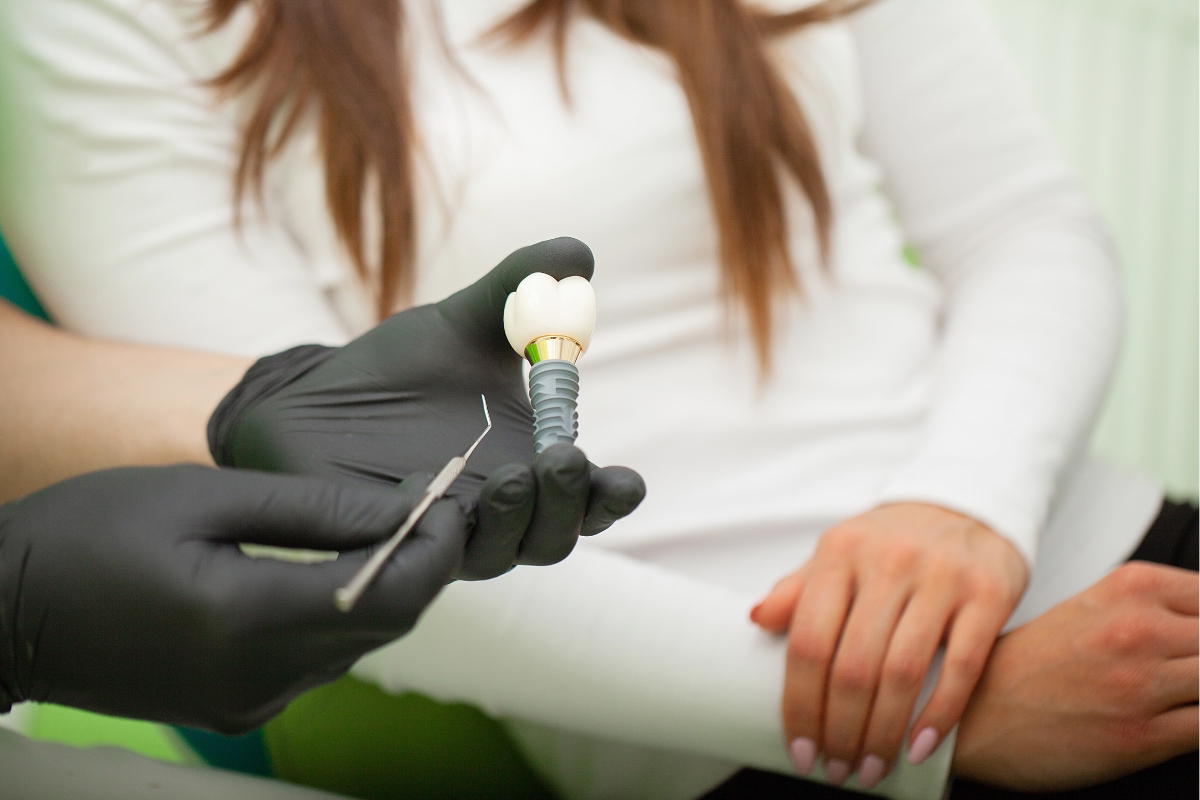
- Up to 3 Months: Full osseointegration (bone fusing with the implant) takes several weeks. Avoiding smoking during this window gives your implants the best chance of success.
Many specialists recommend at least 8–12 weeks of smoke-free healing before considering resuming the habit.
Can Smoking Cause Implant Failure?
Yes, smokers are at a much higher risk of complications. The habit can:
- Delay gum tissue healing.
- Increase chances of infection.
- Prevent proper bone integration.
- This leads to long-term implant loosening or failure.
Protecting that investment by avoiding cigarettes is essential if you’ve invested in dental implants in Mesa.
Tips for Smokers Considering Implants
If quitting is difficult, try these approaches during your recovery:
- Use nicotine patches or lozenges instead of smoking.
- Stay hydrated to reduce oral dryness, common in desert climates.
- Maintain excellent oral hygiene by brushing and rinsing carefully.
- Attend all follow-up appointments to ensure you are healing properly.
- Avoid alcohol in combination with smoking, as it can double the irritation.
Lifestyle Considerations in Mesa
Mesa residents often enjoy outdoor events, festivals, and long hikes in the nearby Superstition Mountains. While these activities support a healthy lifestyle, smoking after an implant procedure can undo the benefits of active living. Choosing to delay or quit smoking not only helps your dental work last but also supports your overall wellness.
Supporting Successful Implant Recovery
Successful treatment doesn’t just restore your smile—it allows you to enjoy daily life without worry. Protecting that investment means making smart lifestyle choices. Reducing or quitting smoking is one of the most impactful decisions you can make to ensure your new teeth last for years.
Protect Your Implant and Oral Health with Us
Smoking after implant surgery can cause serious complications, from infections to implant failure. If possible, avoid smoking for at least several weeks, and longer if you can. Protecting your oral health now ensures you enjoy living as it has to offer—from community gatherings to desert adventures—with a confident smile. For expert guidance and advanced dental implants, schedule your consultation with us. Brown Road Dental can help you take the first step toward a healthier, brighter future today.